Nathan has been a pastor of our Church since 1994.

The resurrection doesn’t restore what we lost — it reveals what we were always becoming: living icons through whom the world might glimpse the life of God.

Nathan has been a pastor of our Church since 1994.
The resurrection doesn’t restore what we lost — it reveals what we were always becoming: living icons through whom the world might glimpse the life of God.

The desire for a fair universe is real and grief-filled – but Jesus steps outside that framework entirely, and invites us into something better.

A church discerns its new name while remembering that identity is not possession, but a journey of love shaped by God’s call to be a blessing.

In a world ruled by suspicion and blame, the gospel announces an abundance that was never earned and cannot run out.

Jesus calls us to be salt and light by living a public embodied faith that tells the truth, resists indifferent silence, and makes God’s justice and love visible in the world.
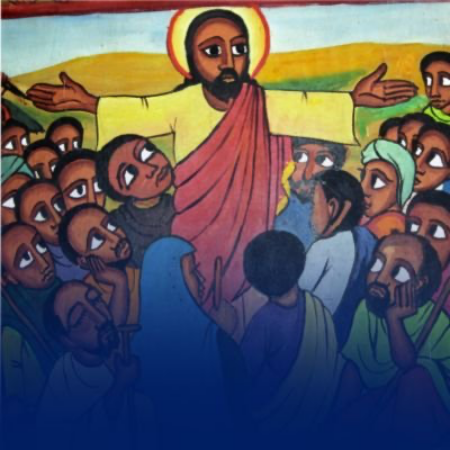
The call to live the beatitudes is not about turning them into a guilt-inducing to-do list, but about living a life that is a blessing to others.

Salvation – reconciliation with God and with one another – is relational rather than transactional, and it begins with a willingness to see, listen and learn.

Epiphany reminds us that we have no monopoly on the truth and always have more to learn from people of other faiths and backgrounds.
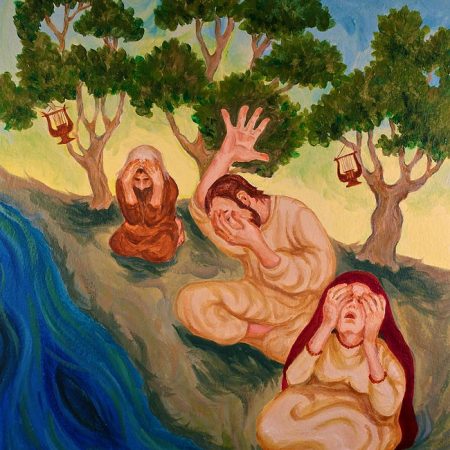
The hope born at Christmas does not erase, deny, or hide from the horror of a violent world, but meets us in the midst of it.

Confused feelings in the aftermath of the Bondi massacre are a window into the ongoing need for healing and transformation in our own hearts.

Hope is a courageous and active stance towards life which is nourished in those who attend to the voice of God in Scripture.

The coming Christ will do whatever he can to get through our defences.
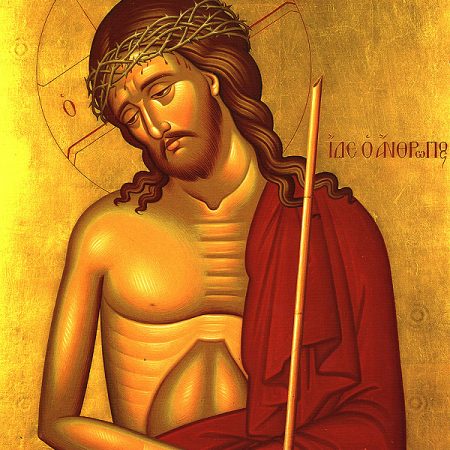
To name Christ as King is to identify ourselves as dissenters to the claims of any other authority and to critique all power-mongering.

Jesus warns us that disasters are ubiquitous and do not all herald the end of time, and calls us to persevere in the life of love even when we are blamed and persecuted.

The saints of God are engaged in a war between conflicting empires battling for control of the world, but Jesus has radically transformed our understanding of how we fight.

When we respond to others with judgement and contempt instead of empathy and compassion, we fail to understand God and live God’s love for others.

The relationship between God’s work and our work in salvation is not a puzzle to be solved, but a mystery to be lived in prayer and faithful discipleship.

Jesus constantly seeks to upend our prejudices in order to breakdown and overcome our divisive tribalism.
Healthy spirituality requires an honesty about our experience of pain and confusion in the real world, and that means that lamentation is a part of healthy prayer.

Even in the face of a catastrophic collapse of the world as we know it, God calls us to imagine and invest in a beautiful future.