You can optionally write a description for the topic here.
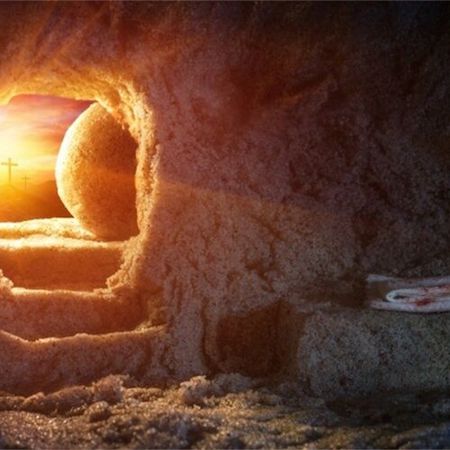
The resurrection of Jesus opens a path and calls us to follow into a life that is no longer dominated by the crucifying powers that destroy some of us and dehumanise others.

You can optionally write a description for the topic here.
The resurrection of Jesus opens a path and calls us to follow into a life that is no longer dominated by the crucifying powers that destroy some of us and dehumanise others.

If we can hold on to the visions of glory, while resisting the urge to nail them down, we can step into a world of suffering knowing that there is light.

God’s generosity provides the context for our worship and the model for our living, especially when we are faced with hostility.
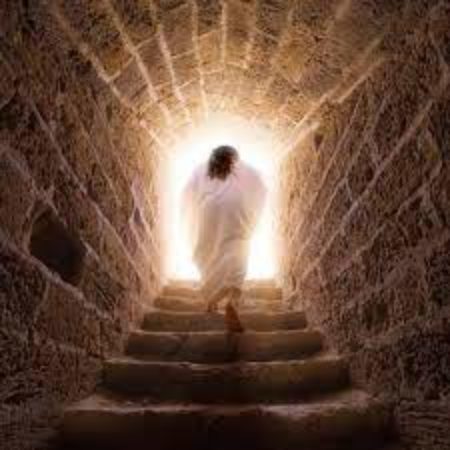
All that matters about God, about sin and forgiveness, and about living with integrity and freedom, flows from the human encounter with the crucified and risen Jesus.
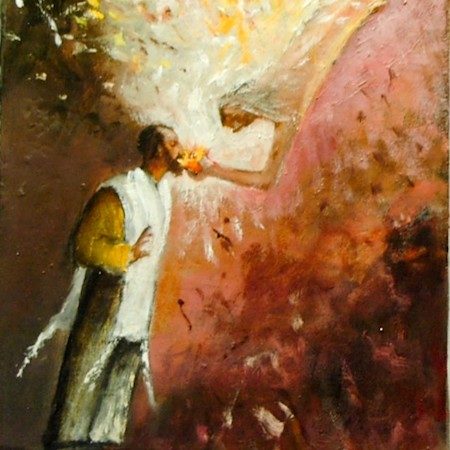
A close encounter with God in Christ can make us paralysingly aware of our own sin and failure, but the experience of grace can transform that into a solidarity and gratitude that empowers us.

The promise of baptism with fire may surprisingly lead us to a loving suffering messiah.
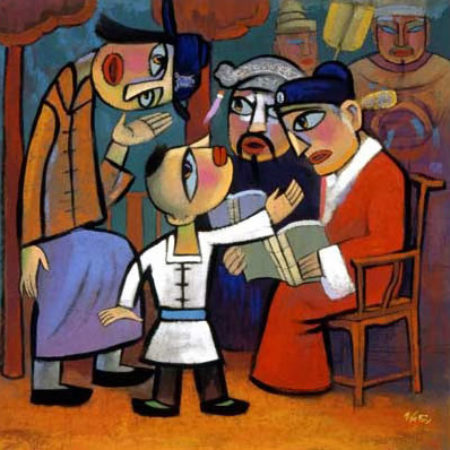
We can’t take it for granted that Jesus will be where we want to go, for his ways often go contrary to ours and our business is to follow him.
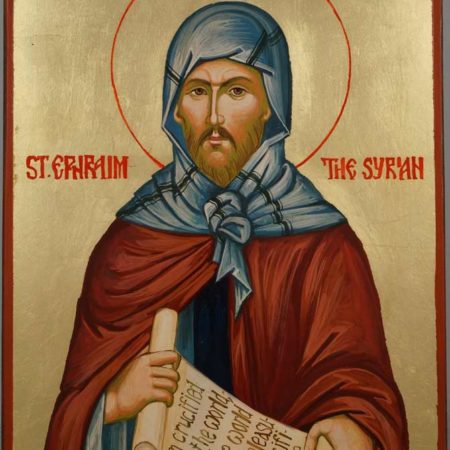
A modern paraphrase of a homily for the Feast of the Nativity by Ephraim the Syrian (306-373CE) taken from his second Christmas hymn.
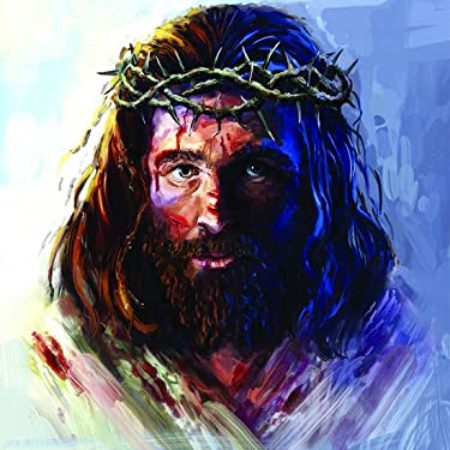
If we are to call Christ a King and still remain faithful to him, we must begin with the subversion of the very concept of kingship that Jesus points to when he is questioned by Pilate.

When we respond to the call to follow Jesus, he asks us to stop and examine our motives. Is it for the life of the world, or for our own benefit?

Who we think Jesus is has real life implications. If we name him as God’s chosen messiah, we need to be ready to follow and live as he lives.
The power of God is that a contagion of life—of transformation, hope, and peace—is more powerful than a contagion of death.

The indiscriminate ways Jesus shared and spoke about food broke the rules of his society and the rules of many churches down to this day.
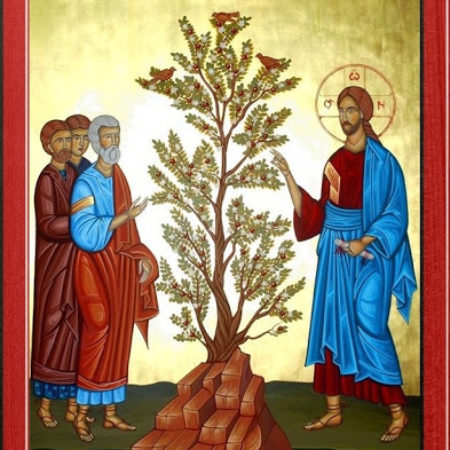
The culture of God rises in defiance of the empires of this world, but it will look more like an annoying outbreak of self-sown, invasive weeds than an alternative empire.
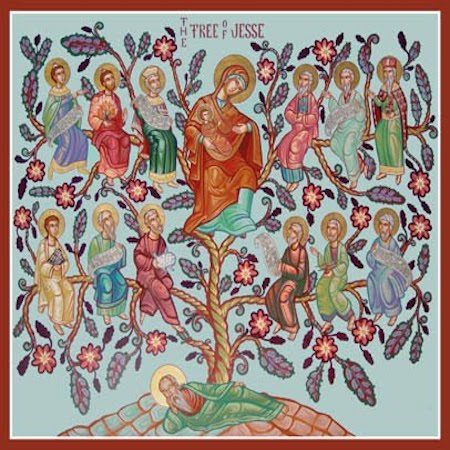
Jesus’s radical call to align ourselves with his new family trumps even our allegiances to our blood families, and asks us to shape our relationships in the church around a shared commitment to living out the will of God.

The recognition that in Jesus we see the exact likeness of the Father rescues us from fear and slavery and invites us to live as the beloved children of God.
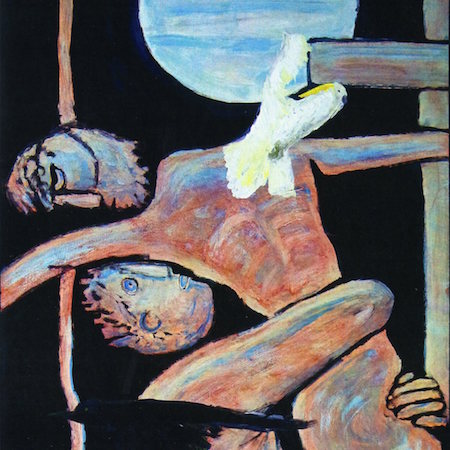
If we want to understand how Jesus saves us and what Jesus saves us from, we are going to have to abandon the most widely taught explanation.
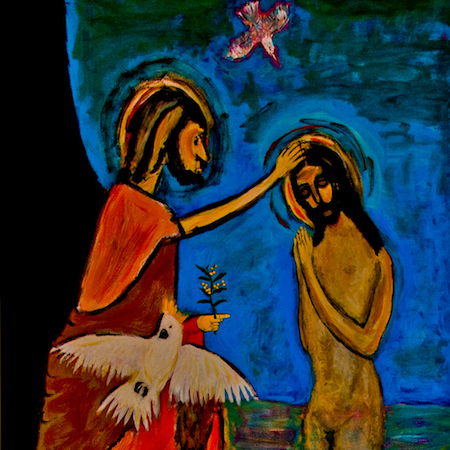
In baptism we are anointed to reign with Christ over a new creation, but it is a reign of suffering servanthood, not of reckless force.
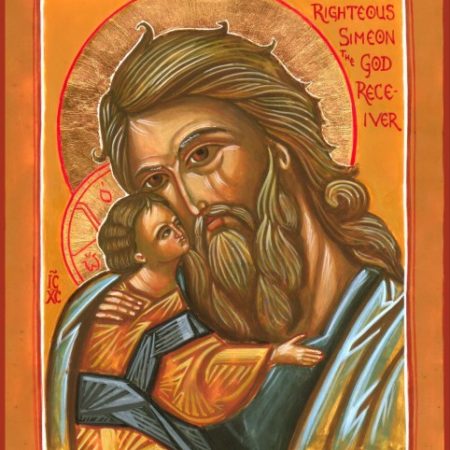
The child of God became a human, so that humans could become children of God.
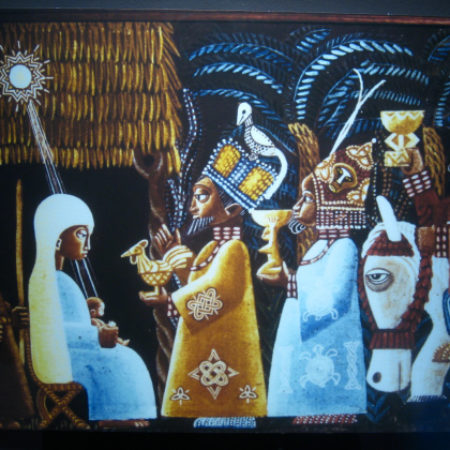
God has hung a star in our sky, and called us to follow it to the Christ child, who will receive the gifts that we bring and we will return changed to our homes.