

An attitude of respectful silence is an essential part of a deep, intimate relationship with God.

Instead of leaving unsaid the things that could cause conflict and division, we are called to listen intensely, slowly, intentionally, allowing all to speak their truth, so that we can find a way to move forward together in love and humility.

The experience of winter is God’s gift, inviting us to silence, healing and new depth of life.
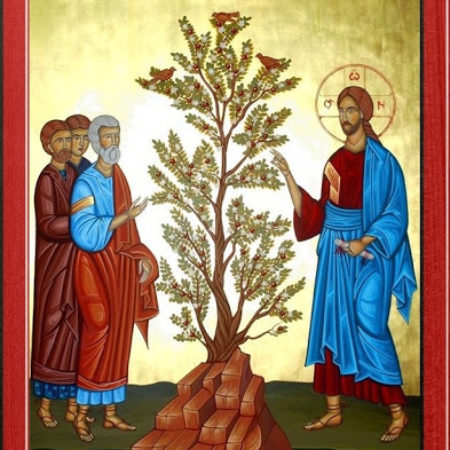
The culture of God rises in defiance of the empires of this world, but it will look more like an annoying outbreak of self-sown, invasive weeds than an alternative empire.
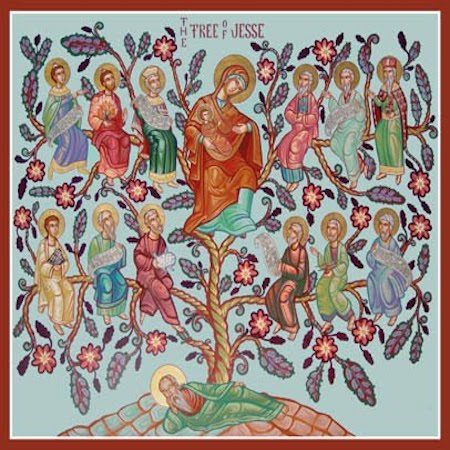
Jesus’s radical call to align ourselves with his new family trumps even our allegiances to our blood families, and asks us to shape our relationships in the church around a shared commitment to living out the will of God.

The recognition that in Jesus we see the exact likeness of the Father rescues us from fear and slavery and invites us to live as the beloved children of God.

If we surrender ourselves to the Holy Spirit, we lose some of our inhibitions about social conformity and are liberated to break down the boundaries that keep people apart.

The way of blessedness that comes through obedience and submission to God’s will, but the choice lies in our hands.
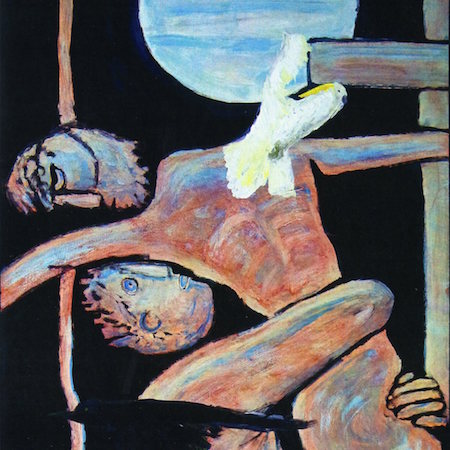
If we want to understand how Jesus saves us and what Jesus saves us from, we are going to have to abandon the most widely taught explanation.

The more challenging life in this world becomes, the more opportunity for Christians like us to live out the love of God by loving our neighbours.
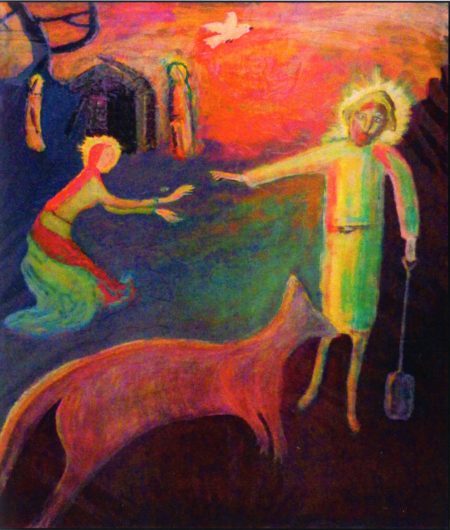
We mostly don’t see ourselves as either terrible sinners or as gloriously Christ-like, but in the resurrection we are called to fully imagine both as world-changing truths.

Jesus calls us to a Resurrection Imagination, praying for courage and discernment on how to use your resources until the dream of a world where there are no poor among us is fulfilled.
It is in the midst of our tears that we discover that Jesus is not dead, but more alive than ever.

Christian hope is rooted in suffering that does not remain unanswered. God answers in the resurrection of Jesus Christ, ensuring that everything will not only be fine, it will be better.

When theology and discipleship follow the path of God, they take us beyond an obsession with borders to a new engagement with the kingdom of God, present and tangible in all the earth.

In determining our church’s way forward, we need to discern who we exist to serve, and it shouldn’t just be ourselves.

As we head with Jesus towards the cross, carrying the pain and injustice of the world, God does not hide his face from us but hears our cries for justice.
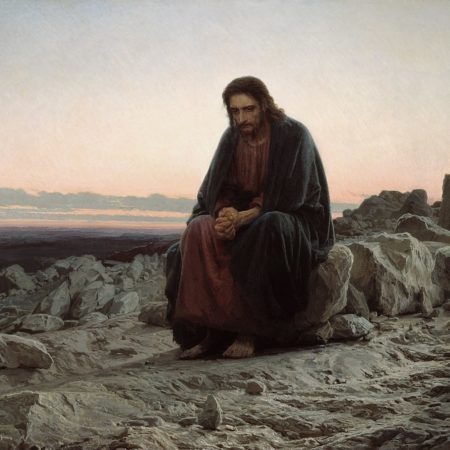
God will walk with us in suffering and work redemptively within it, but God is not powerful enough to just remove it.

When our world and our hearts feel dry, cut off, and despondent, there is hope and life to be found in God’s promises.

Science, theology and reason can often lead to a sound set of ethical behavioural conclusions which then need to be set aside because, in reality, love demands something else.