
The global social breakdown of which Jesus speaks is caused by the failure of our old oppressive ways of maintaining peace, but God has promised us a better way on the other side.

The global social breakdown of which Jesus speaks is caused by the failure of our old oppressive ways of maintaining peace, but God has promised us a better way on the other side.

When you know yourself truly beloved by God in Christ, you are freed from fear and shame to live fully and generously and courageously.

Those who are insiders in the life of God are characterised by their love and compassion for all, especially those deemed unworthy of it, and by the humility to be schooled by outsiders.

Christian spirituality is full of yearning and hungering and reaching for a God who can never quite be satisfyingly grasped.

God’s generosity provides the context for our worship and the model for our living, especially when we are faced with hostility.

The only measure of our progress in Christian faith is our love for others, including those we are least inclined to love.

The promise of baptism with fire may surprisingly lead us to a loving suffering messiah.

Being God’s people can be awkward. Our actions of love and care stand against the me-first culture, and to seek justice, love, and a better world.

God calls us to beware of simple solutions that actually violate the laws of love and hospitality towards the strangers.

God’s kindness is exceptional, and we too are called to be courageous in exceptional kindness and loyalty.

There will always be people in the church you find difficult to get on with, and it is their presence that will really enable you to grow in your ability to love.

The more challenging life in this world becomes, the more opportunity for Christians like us to live out the love of God by loving our neighbours.

Science, theology and reason can often lead to a sound set of ethical behavioural conclusions which then need to be set aside because, in reality, love demands something else.

Jesus shows us that even though there might be many things that don’t seem right to us, we would be wise to let many of them go and only fight the battles that really matter.

The stories of Moses, Elijah and Jesus on various mountain tops reveals a process of God’s self-revelation as the one who loves us and suffers for us.

Jesus calls us to face hostility, not as doormats, but by boldly and creatively standing in our freedom and extending unexpected love and generosity.

The gift of tongues can be a valuable part of our private spirituality, but the needs of public worship require something more than the private intimacies of our spirituality.

The biblical pictures of marriage reflect our struggle to live our way into the vulnerable intimacy and relational fruitfulness that God wants for us and with us.
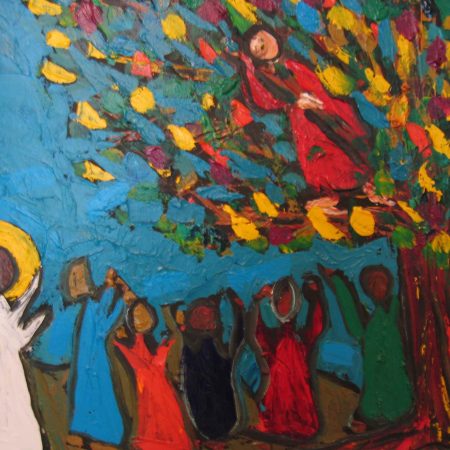
Christ’s gratuitous forgiveness and acceptance always manage to scandalise us, but it is our willingness to embrace them that saves us.

Reading scripture with God’s people keeps us honest as we seek to interpret and live by God’s law written on our hearts.