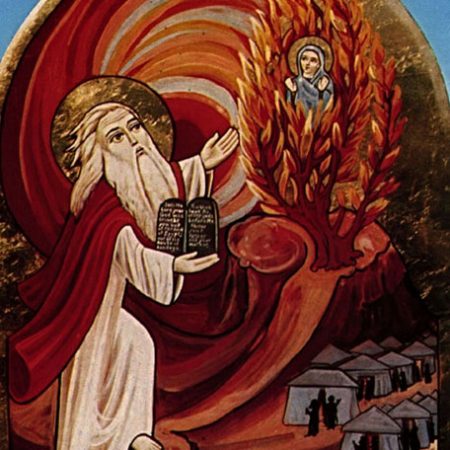
Our true identity is only found when we discover that it is not about us, but that we are only truly anyone in relation to the God who is everything, and who is not the opposite of anything.

Our true identity is only found when we discover that it is not about us, but that we are only truly anyone in relation to the God who is everything, and who is not the opposite of anything.

We respond to Jesus in different ways at different times, because we are not fully integrated in ourselves, but God loves us in all our fragmented parts.

Looking for emerging patterns can help us (and Jesus?) recognise the ways that God is opening new pathways of grace and inclusion.

Jesus never stops crossing the menacing water to come to where we are, saying: “Take courage. It is I. Don’t be afraid.”
God’s Providence usually works by people, moved by the Spirit of God, sharing when they have more above their own needs.

A sermon on Matthew 13:1-9, 18-23 by Dr John Sampson As you heard the text for today is from Matthew’s account of the parable of the sower. Our Bibles contain three versions of this story, in Mark 4, Luke 8, and Matt 13. It is also found in the gospel of Thomas, but this was…

A sermon on Matthew 11:16-19,25-30 & Romans 7:15-25a by the Revd Dr Curtis W. FreemanResearch Professor of Theology & Director of the Baptist House of Studiesat Duke Divinity School, Durham, NC, USA Brothers and Sisters: Good evening to you in Melbourne or wherever you are, as you approach the ending of the day, and good…
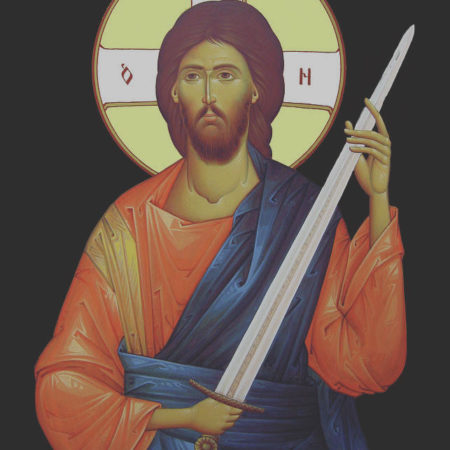
Jesus did not come with the goal of making some gentle improvements to the status quo, but to disable the status quo by exposing its lies and revealing its victims. Without our culture being radically converted by that, the result is escalating chaos, to which Jesus offers himself as a victim and calls us to do the same.

Jesus calls us to follow him in being a contagious force for love and mercy rather than fearfully quarantining ourselves from bad influences.

In the most hidden and dark places, God is at work.

Whether or not you can accept the idea of a personal devil, there are forces of evil in the world that are bigger and more powerful than our own inner flaws, but conscious and united, we are stronger still.
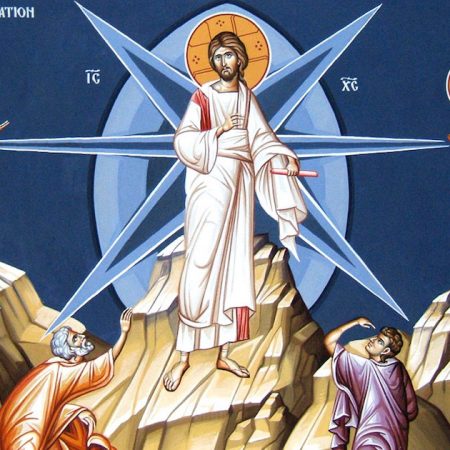
Stunning moments of spiritual clarity can be life-changing, but the real measure of our faithfulness is in how we live for the rest of the time.

Being a disciple of Jesus is not about changing behaviour, it’s about changing life! It’s about being changed at our very core so that our inner motivations and attitudes are transformed.

The world finds the message of Jesus almost incomprehensible because it seems too simplistic and unrealistic to be taken seriously.

In the encounter with Jesus, we realise how radically different the world is and how completely we need to change.
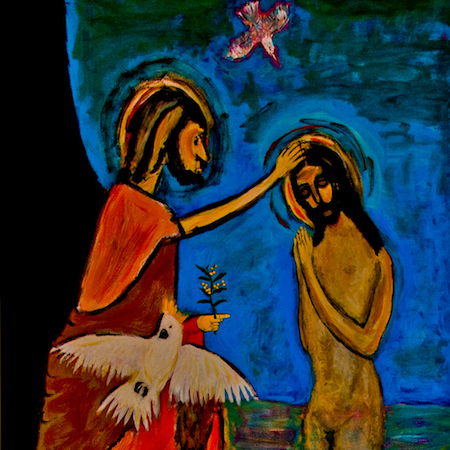
In baptism we surrender to God’s claim on us and enter a vowed relationship and life which will have its ups and its downs but in which God is forever faithful.
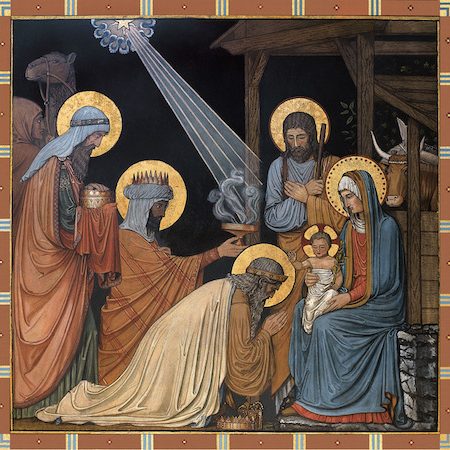
In Jesus, the truth about God’s ways and means is brought to light and we are called to so reflect that light that all might be drawn to it.

In the Christ-child we encounter God responding to our suffering and leading us into the promised land of new life.

The particularity of Jesus’s identity scandalises our tribal sensibilities, but our attempts to erase such details in favour of a more “universal” truth inevitably fail to convey the good news of God with us.

God comes to us in unexpected ways, and the break with conventional religious respectability is even more earth-shattering than the break with conventional reproductive biology.