
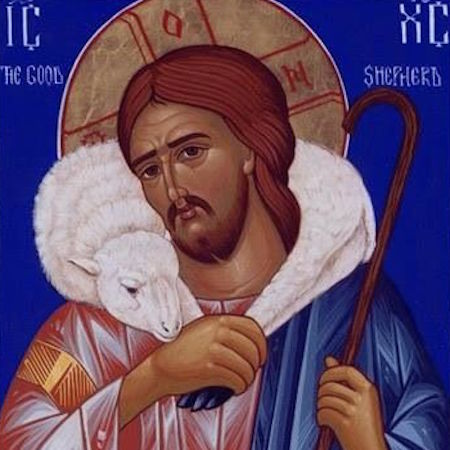
We come to be followers of Jesus, not when we believe certain facts about him, but when we hear his voice and follow what it says (even if we don’t know where the voice comes from).
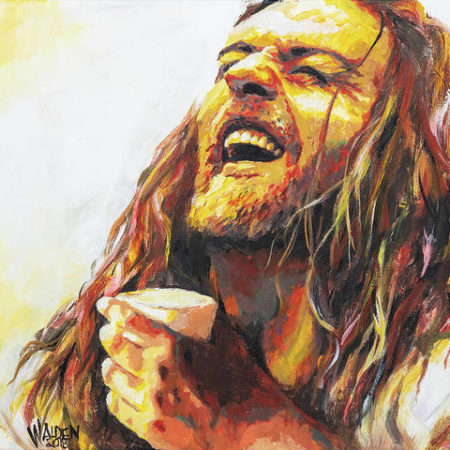
Into the surreal fears and horrors of our murderous world comes the surreal delight of God’s resurrection laughter and the promise of life.
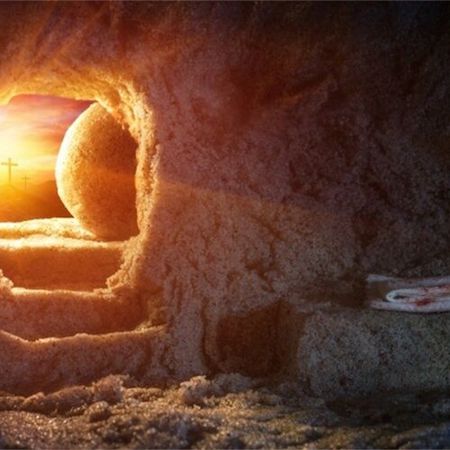
The resurrection of Jesus opens a path and calls us to follow into a life that is no longer dominated by the crucifying powers that destroy some of us and dehumanise others.

When God is doing new things, our familiar signposts are no longer helpful, and our capacity to follow is dependent on our living relationship with Jesus.

In Christ, God has made an agreement with us, offering us everything and demanding nothing, but if we offer nothing we will be at risk of squandering it all.

Christian spirituality is full of yearning and hungering and reaching for a God who can never quite be satisfyingly grasped.

If we can hold on to the visions of glory, while resisting the urge to nail them down, we can step into a world of suffering knowing that there is light.

The temptations faced by Jesus reveal common patterns in the demonic temptations that we face in our own lives.

God’s generosity provides the context for our worship and the model for our living, especially when we are faced with hostility.

All that matters about God, about sin and forgiveness, and about living with integrity and freedom, flows from the human encounter with the crucified and risen Jesus.

A close encounter with God in Christ can make us paralysingly aware of our own sin and failure, but the experience of grace can transform that into a solidarity and gratitude that empowers us.

The only measure of our progress in Christian faith is our love for others, including those we are least inclined to love.

In God’s vision for humanity, every person and the role they play is valued and cared for. When society fails to live up to this, the Church is called to go against the flow and courageously champion and model it.

God’s love is passionate, attentive, tender and ardent. Jesus the bridegroom comes and woos God’s people in every generation.

The promise of baptism with fire may surprisingly lead us to a loving suffering messiah.

The journey of a faithful life is about risk, about uncertainty, about careful, solitary reflection, and about community and conversation.

A sermon on John 1: 1-18 by Audrey Kateena A video recording of the whole liturgy, including this sermon, is available here A transcript of the sermon will be available here soon

We can’t take it for granted that Jesus will be where we want to go, for his ways often go contrary to ours and our business is to follow him.

A modern paraphrase of a homily for the Feast of the Nativity by Ephraim the Syrian (306-373CE) taken from his second Christmas hymn.

The visitation story is a powerful introduction to the gospel of God’s lavish and overwhelming love for us, and to God’s hospitality as we see it in Jesus.