
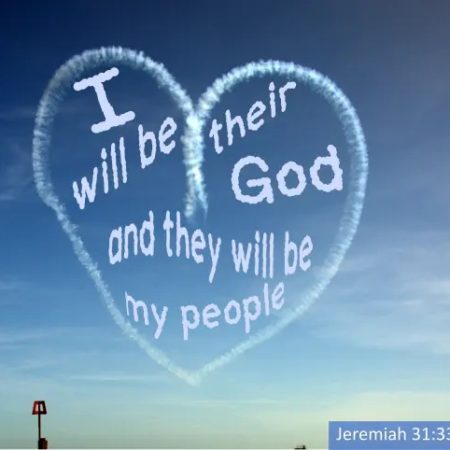
God has promised a time of resurrection and renewal, and has given us guidance for living faithfully in the meantime.

Jesus challenges us to bring our lives to where God is active, to share in building the kingdom of God.

When you know yourself truly beloved by God in Christ, you are freed from fear and shame to live fully and generously and courageously.
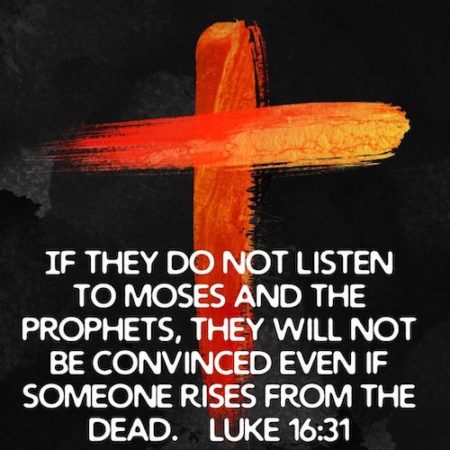
The cross of Jesus can teach us to recognise the innocence of suffering, and so enable us to recognise our own dependence on God’s mercy and to stop digging our own hells.
Jesus’s parables always shock us, and few things shock us more than the outrageous graciousness that God shows us and calls for from us.

Our unwitting abusive treatment of the Royal family is a symptom of our entanglement in systemic persecution.

As dangerous climate change unfolds before our eyes, the best possible outcome is entirely dependent upon humanity coming to a full acknowledgement of its special power and its special responsibility, which must centrally involve mastering our power.

Jesus calls all who are worn out from maintaining appearances as hosts to relax into the humility of being guests.
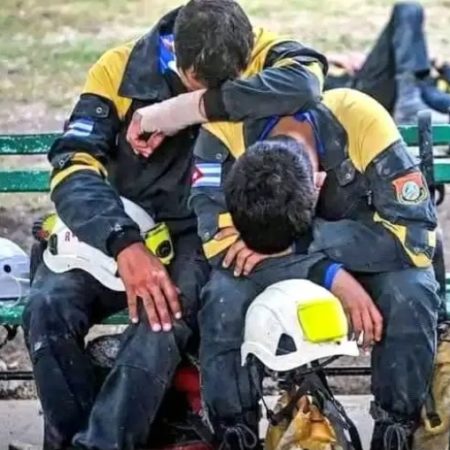
Adversity, violence, and suffering can come as a consequence of not just sin, but of radical love, but with love it can strengthen and sharpen us for fullness of life.

Imagination, fed by Jesus, enables us to grow and stretch, to make a way from what is to what could be, for the sake of worlds of hope God is already excited about.

When we read scripture through the eyes of Jesus, we find a way free of the violent abusive images of God in some of the ancient texts.

The Lord’s Prayer is a manifesto for a whole new way of relating to God and the world.
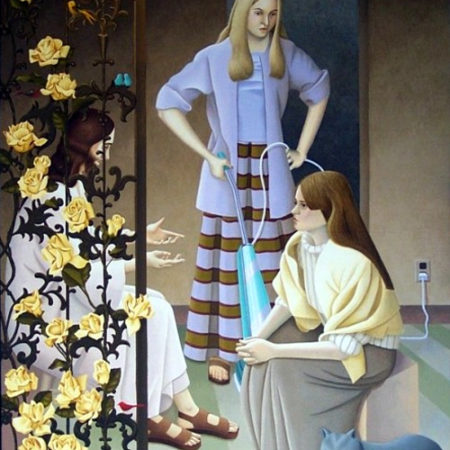
Inviting Christ into your dwelling means being renovated from the inside out.

Those who are insiders in the life of God are characterised by their love and compassion for all, especially those deemed unworthy of it, and by the humility to be schooled by outsiders.

Being missioners needs to be patterned on Jesus if it is to have any integrity at all, and so it will be characterised by intentional engagement, genuine curiosity, deep listening, allowing others to be a blessing to us, and trusting ourselves to God.

We live in uncertain times, unsure of the future shape of the church, but Jesus sends the Holy Spirit to us, not to give us certainty, but to guide and sustain us in the uncertainty.

The Holy Spirit is breathing sacred life into all creation and continually working for the making sacred of all creation.

Living out the unity we have in Christ, is more difficult and more important when we are at odds with one another.

Much traditional morality is based on the idea of separation into binary categories, good and bad, but the Bible also points a path towards a liberating non-binary future in God.

All our dinners are an anticipation of the vision of a new world, where God’s very self dwells with mortals, all are welcomed, and all pain is taken away.