
God delights to welcome everyone, and is not interested in who is better or worse, but we imagine God to be an elitist who mirrors our tendency to pick and choose and only accept the best.

God delights to welcome everyone, and is not interested in who is better or worse, but we imagine God to be an elitist who mirrors our tendency to pick and choose and only accept the best.
The lectionary reading I’ve decided to focus on today is the reading from 2 Kings 5:1-14. I’ll be honest I chose this passage because of its unfamiliarity. Because of its strangeness. In undergrad I studied anthropology, the study of cultures, be it subcultures within our own culture or cultures more foreign. There’s a saying in anthropology that describes much of what the…

Whenever we are invested in the status quo, we are at risk of being caught up in seeing the liberation that Jesus brings as a threat to be opposed.
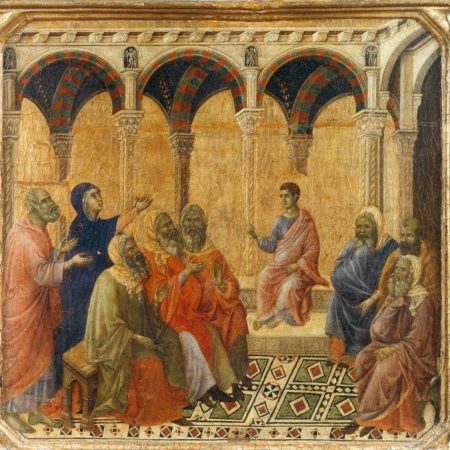
Jesus models for us a willingness to listen, learn and grow rather than a domineering certainty that insists on knowing who’s right and who’s wrong.

It is not from the halls of power but from humble places that the love which offers wholeness and healing and peace erupts into life.

There is nothing wrong with an eager desire for a special closeness to Jesus. Jesus is eager to fulfil such desires, but warns us of the cost of sticking with him.

We are often blind to our own entanglement in evil, but when our eyes are opened, we are called into pathways of repentance and transformation that lead to life and healing.
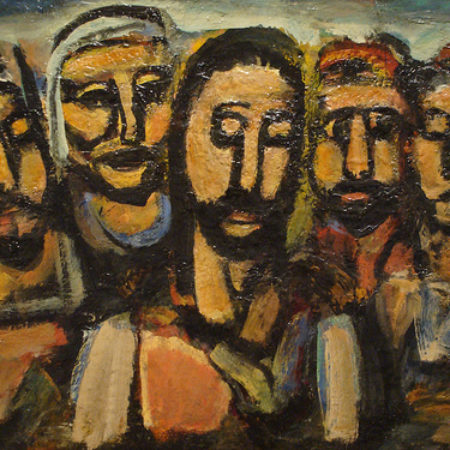
Pretending to be better than we are alienates us from God and one another. Being open and real about our weaknesses and failures open us to God and one another.

The nativity story proclaims the basic themes of the gospel message; God enters into our suffering world as a victim of our violence, and is rejected by most but recognised by the nobodies.

Jesus’s quest for reconciliation is far wider and more discomfortingly radical than our tendency to jump on the bandwagon of popular justice causes.

Jesus calls us to welcome and honour each other at his table regardless of the disagreements we may have over how to apply biblical teachings.

Christians are to be known for what they celebrate and affirm and encourage rather than what they are against.

Lent is a recurring reminder of the fragility of our discipleship in the face of tempting shortcuts and instant gratifications.
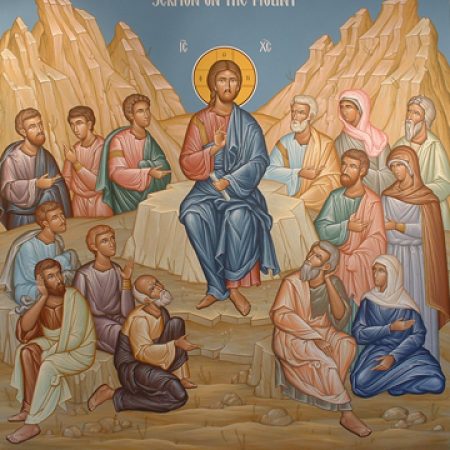
Jesus did not come to be the ultimate sacrifice that would appease God, but to show us, once and for all, that God does not want sacrifices at all, but lives of love, mercy and compassion.
A healthy self-esteem is not one that thinks itself better than others, but one that, in solidarity with others, accepts the merciful gift of life and love that Jesus offers us.
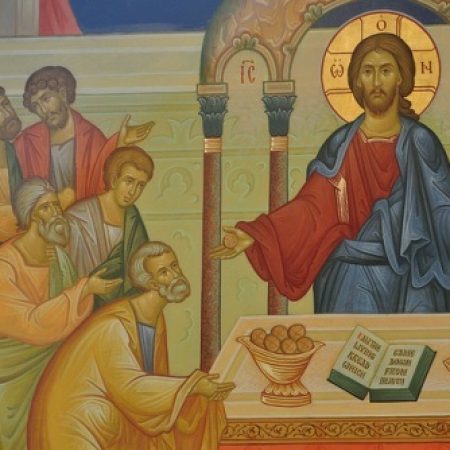
If we construct our identity around a pursuit of social esteem, we will degrade our true selves, but if we model ourselves on the generosity of God, we will find true life where few look for it.
Jesus’s invitation is radically open and inclusive, and we need to guard carefully against our own culturally conditioned instincts to start narrowing and policing it.
When we approach God’s way of life and the Sabbath not as punishment, but as gift, the experience becomes a chance to rest from work and from striving; and to allow space for God through contemplation and re-creation and play.

God has become flesh so that we might know God and realise our own destiny in God in the world.
Jesus does not burden us with crippling moral expectations, but humbly takes our burdens on himself and frees us to relax into the life of God.