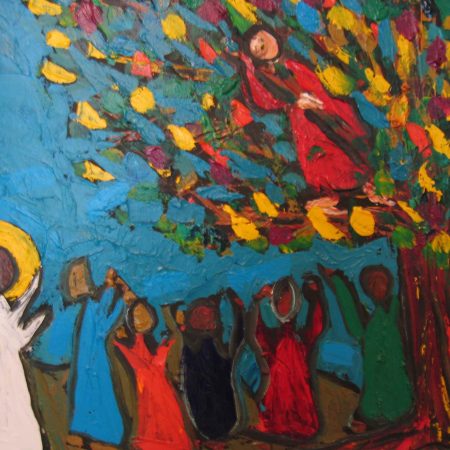
Before your past catches up with you, Jesus will try to blindside you with scandalous grace.

Before your past catches up with you, Jesus will try to blindside you with scandalous grace.

A healthy self-esteem is not one that thinks itself better than others, but one that, in solidarity with others, accepts the merciful gift of life and love that Jesus offers us.
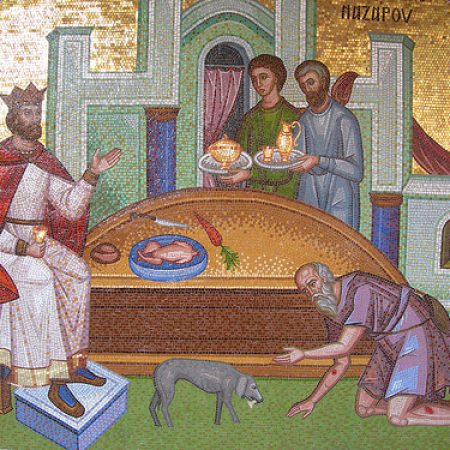
Jesus offers us vision of the future which sharply differs from that offered by modern economics, and we need to intentionally nourish that vision.

God longs to welcome and bless us far more than we deserve, but if we don’t contribute to a culture of extravagant grace, we are unlikely to be able to receive it.
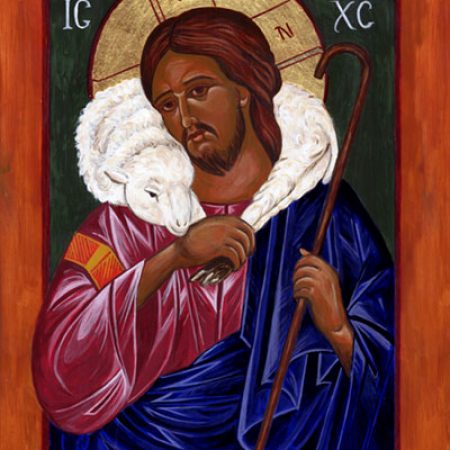
History will end with the unbridled joy of a loving shepherd who celebrates the neighbourhood filling up with dead losers who don’t deserve to be there.
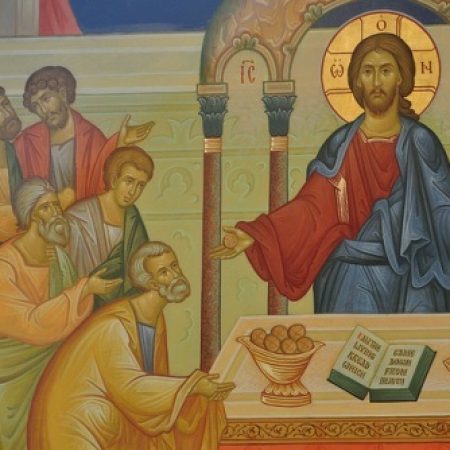
If we construct our identity around a pursuit of social esteem, we will degrade our true selves, but if we model ourselves on the generosity of God, we will find true life where few look for it.
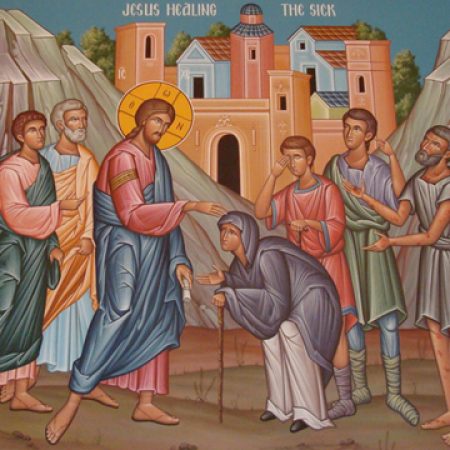
True Christianity is not transactional but transformational. It is not a series of prescribed actions intended to please God, but the formation of a culture of grace and other-centred love.
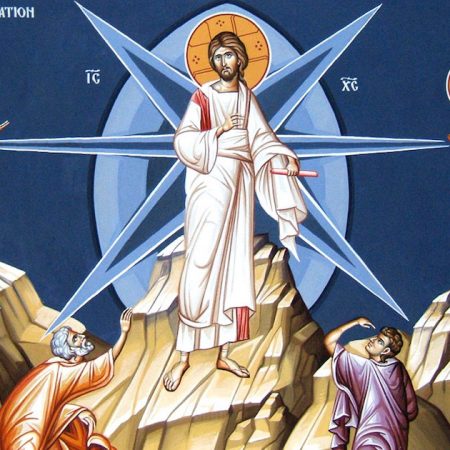
The Transfiguration is not about the remoteness of God, but about a promise that through the exodus of Jesus’ death and resurrection, we might with him shine, transfigured, with the blazing glory of God.

If we delight in shaming and punishing wrongdoers, we will not recognise the scandalous love and mercy revealed in Jesus, but instead find ourselves being harshly judged by an outraged condemning god who we have created in our own image.

Election week sheds new light on how we can participate with Jesus in bringing satanic principalities and powers crashing down.

When we offer hospitality to, and accept hospitality from, anyone who comes – every sinner, wretch, reprobate, and wicked woman – we will encounter Christ and experience forgiveness.
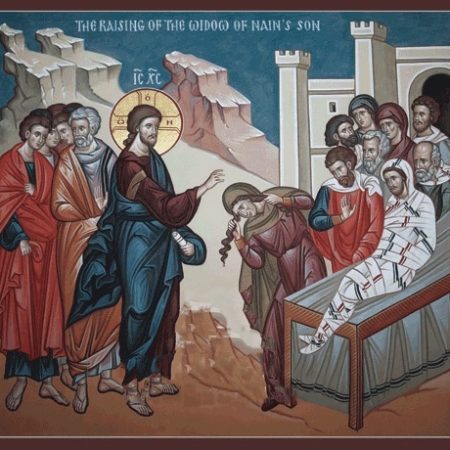
Sometimes God has to kill off our hopes and destroy our faith structures in order to create space for new life and truth to arise among us.
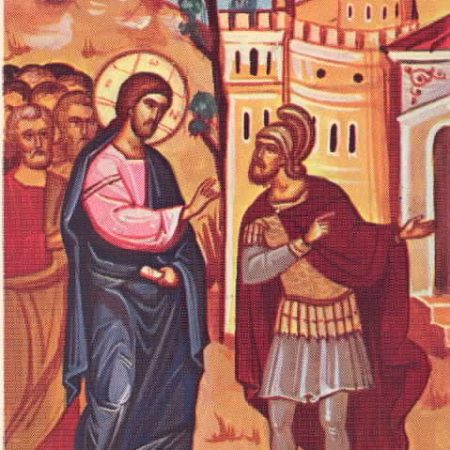
The gospel of love and grace revealed by Jesus is always at risk of being distorted into a false gospel of ‘holy’ hostility.

The self-giving love of the Trinity, contrasted with the experience of a toxic love triangle, calls us to a new non-possessive love that always seeks the glory and delight of the other.

We grow into the likeness of Christ as we model ourselves on him, and he is a model of growth rather than a model of static perfection.
In an us-and-them world, people hope to find a way to get God on their side, but Jesus confounds our expectations of God siding against others.
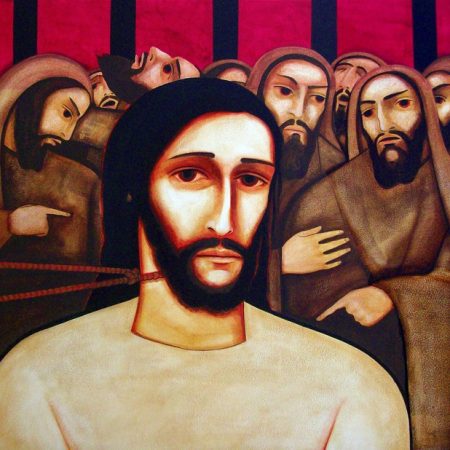
In a world increasingly divided between violent powers, Jesus leads a kingdom that is a radical peaceful challenge to both of them.
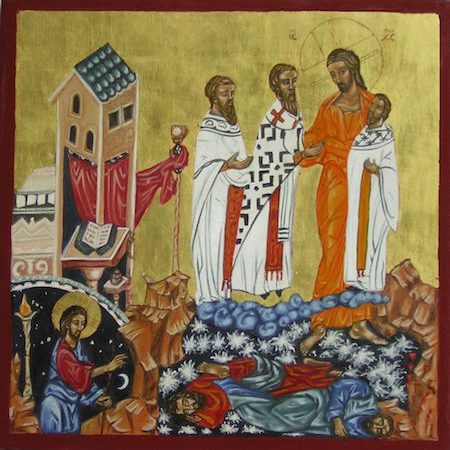
Only when the world models itself on the self-sacrificial love and mercy we have seen in Jesus will it be saved from the cycles of apocalyptic violence and chaos.
Jesus wants to lift us beyond the deadening conformity that seeks to silence us and confine us to a stunted life.
In Christ we have been given a new identity that dissolves the labels of first and two-thirds world, and invites us all to be poor.