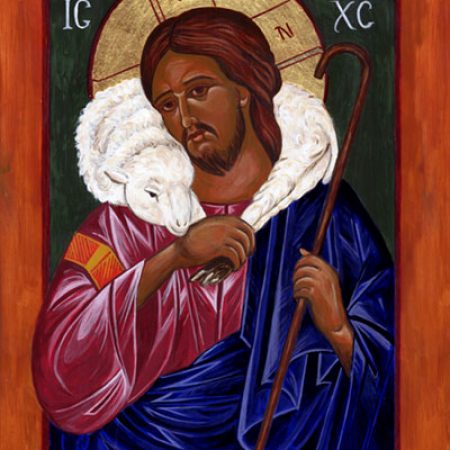
In a world dominated by arrogant and exploitative leaders, Jesus models a gentle shepherding leadership that prioritises the reintegration of the broken over the drive for “success” and “efficiency”.

In a world dominated by arrogant and exploitative leaders, Jesus models a gentle shepherding leadership that prioritises the reintegration of the broken over the drive for “success” and “efficiency”.

Until our eyes are opened to discern the dog-domination and pig-powers that oppress us from within our culture, we will continue to be trampled underfoot by them

Where affluence creates consumers, abundance creates neighbours. It is the ethic of possessions which Jesus commends to us as a promise of how God deals with us.

In the culture of Jesus, the very conditions that create discomfort, struggle, suffering and even scorn, paradoxically are transformed into the essential ingredients to inherit and inhabit the kingdom of God.

The forgiveness encountered in Jesus is extravagant and all-inclusive, but those who determinedly reject and demonise the Spirit’s winds of change can cut off their own access to it.

Our generation is very good at identifying evils and calling them out, but if our hearts are not occupied by God’s love and mercy, the results can be disastrous.

Jesus calls us to neither conservatism nor iconoclasm, but to a faithful reckoning with the gifts and the sins of the past as we welcome and adapt to the new.

Faithful waiting for for the fulfilment of God’s promises can leave us feeling compromised and alienated in the world around us.
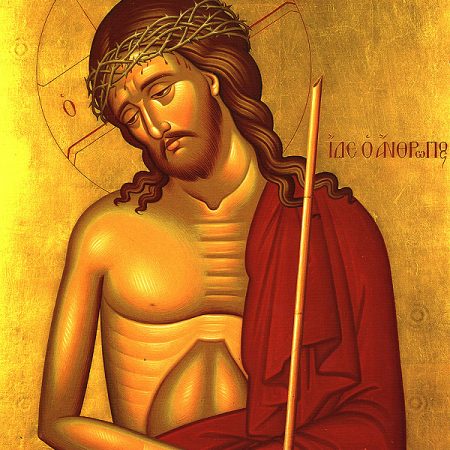
The culture of God’s beloved Son is born at the cross and takes root amidst a hostile world, spreading forgiveness and hospitality.

The biblical pictures of marriage reflect our struggle to live our way into the vulnerable intimacy and relational fruitfulness that God wants for us and with us.
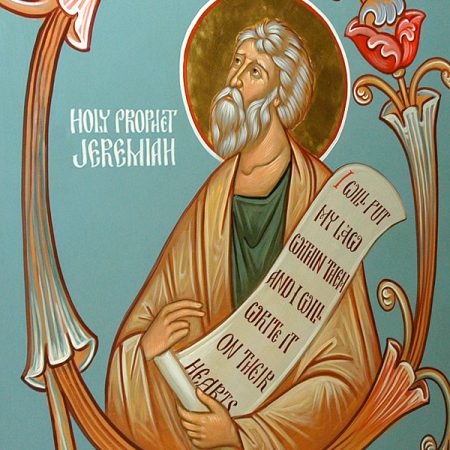
Faithfulness to God means sticking to the ways in which Jesus has led us, but we are constantly tempted to idolise his name while avoiding his ways.
Love names, creation, joyful service and gifts for the common good can be signs of the nature and culture of God.
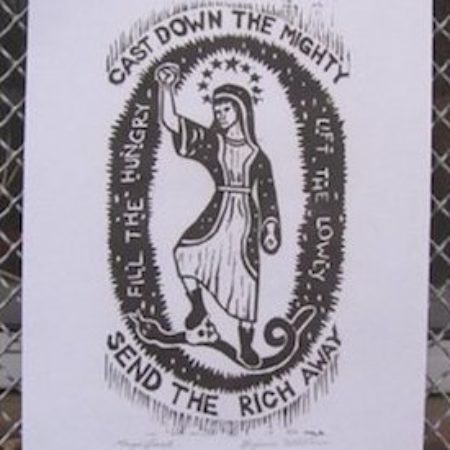
The baby whose coming is awaited will turn the world upside down (not just the lives of its parents!), and our counter-cultural observance of Advent is a necessary preparation of ourselves for that reality.

Angry prophets who tell us the hard-to-hear truth about ourselves pave the way for a new world to emerge.
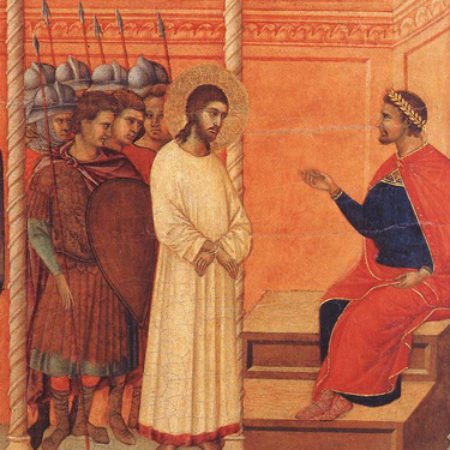
In the face of a politics grounded in nationalist arrogance and fake news, Jesus proclaims a ‘kingdom’ grounded in shared humanity and truth.

The collapse of the institutional church and other social structures will be painful for all of us, but it is not ultimately a threat to mission of Jesus.
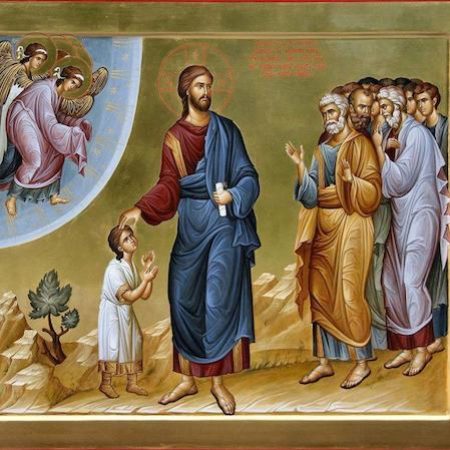
Children are a sign of the Kingdom, and our capacity to welcome them is a measure of our capacity to welcome the culture of God.

Jesus confronts us with our cannibalistic behaviour in order that we might follow him into a saving communion with God and one another.

Glimpses of the transformed world that God makes possible transfix us and leave us hungering for more.
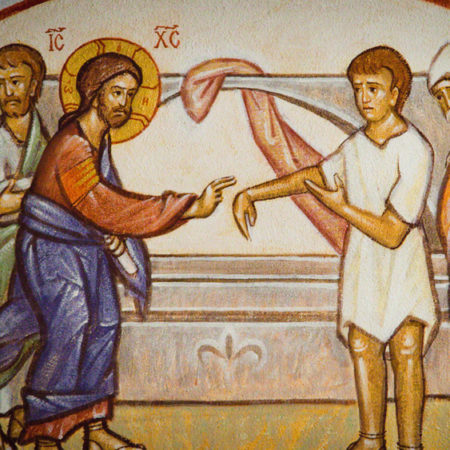
Jesus calls us to move beyond hostile identity politics, whether shaped by Sabbath keeping or #Outrage, and to welcome a new culture of love, forgiveness and welcome.