Nathan has been a pastor of our Church since 1994.

Honestly owning the rage that sometimes consumes us is an important part of maintaining our resistance to all that stands in the way of a Jesus-shaped life.

Nathan has been a pastor of our Church since 1994.
Honestly owning the rage that sometimes consumes us is an important part of maintaining our resistance to all that stands in the way of a Jesus-shaped life.
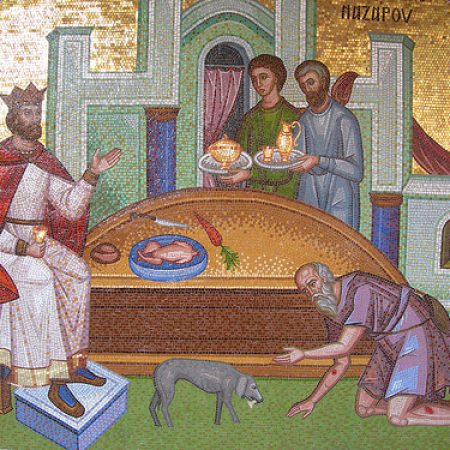
Jesus offers us vision of the future which sharply differs from that offered by modern economics, and we need to intentionally nourish that vision.

God longs to welcome and bless us far more than we deserve, but if we don’t contribute to a culture of extravagant grace, we are unlikely to be able to receive it.
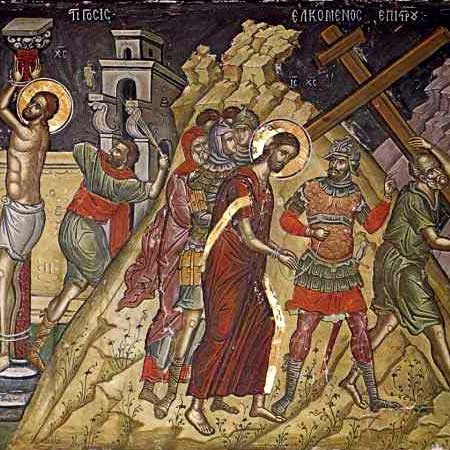
The culture of God is so radical in its loving embrace of everyone that mainstream society will see it as a dangerous rejection of all it holds dear.
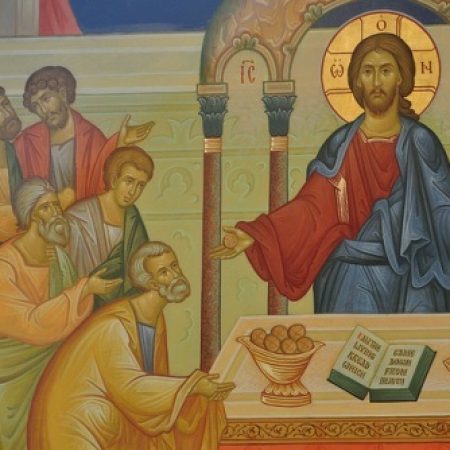
If we construct our identity around a pursuit of social esteem, we will degrade our true selves, but if we model ourselves on the generosity of God, we will find true life where few look for it.

The people who blame Jesus for increasing violence may be right. He has kicked out the foundations of our peace-keeping strategies, and now violent chaos will grow unless we learn the ways of love and mercy.

There are numerous competing claims about what a faithful Christian life looks like, and sometimes the truth about following Jesus may be the least palatable of them all.

If we delight in shaming and punishing wrongdoers, we will not recognise the scandalous love and mercy revealed in Jesus, but instead find ourselves being harshly judged by an outraged condemning god who we have created in our own image.

Election week sheds new light on how we can participate with Jesus in bringing satanic principalities and powers crashing down.
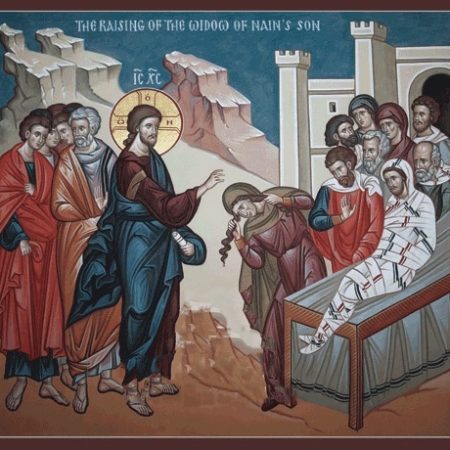
Sometimes God has to kill off our hopes and destroy our faith structures in order to create space for new life and truth to arise among us.
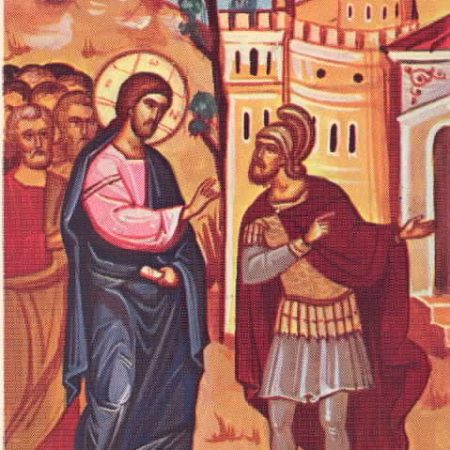
The gospel of love and grace revealed by Jesus is always at risk of being distorted into a false gospel of ‘holy’ hostility.

The self-giving love of the Trinity, contrasted with the experience of a toxic love triangle, calls us to a new non-possessive love that always seeks the glory and delight of the other.

God’s Holy Spirit gathers us into one body where our differences are not erased or downplayed, but boldly offered in love and service of one another.

The Revelation’s surprising image of the absence of church buildings in the fulfilled holy city is a helpful reminder that they have always been a risky concession and that their dangers need to be carefully avoided.
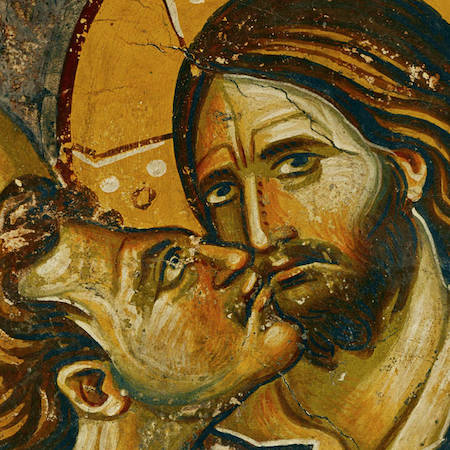
The love of God seeks us out, even when we least deserve it, and then calls us to love others similarly.

Doubts and questions, far from being a threat to faith in the risen Christ, are its normal starting point and constant companion.
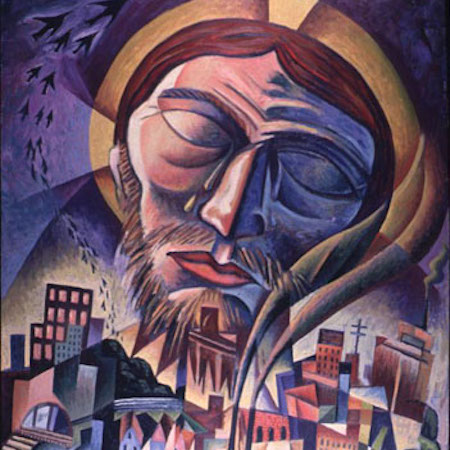
Jesus is heart-broken when we refuse his call to gather with him in a place of powerlessness, vulnerable to the hostility of a power-hungry world.

Whether we think of the devil as a personal being or as a metaphor, our call to put our trust in Jesus to strengthen our resistance to the temptation of expedient short-cuts is the same.

We grow into the likeness of Christ as we model ourselves on him, and he is a model of growth rather than a model of static perfection.
In an us-and-them world, people hope to find a way to get God on their side, but Jesus confounds our expectations of God siding against others.