Nathan has been a pastor of our Church since 1994.
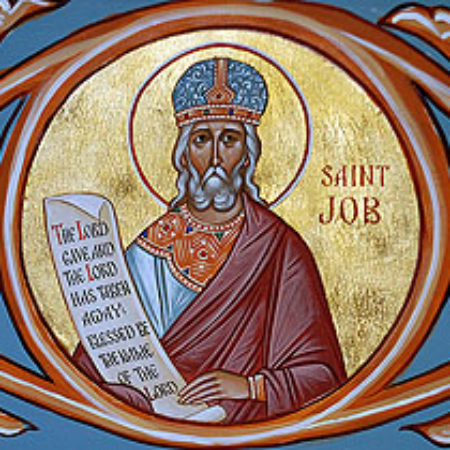
Suffering raises painful unanswerable questions, but Jesus leads us into a life where the sharing of our honest questions is part of shaping a community of healing and hope.

Nathan has been a pastor of our Church since 1994.
Suffering raises painful unanswerable questions, but Jesus leads us into a life where the sharing of our honest questions is part of shaping a community of healing and hope.
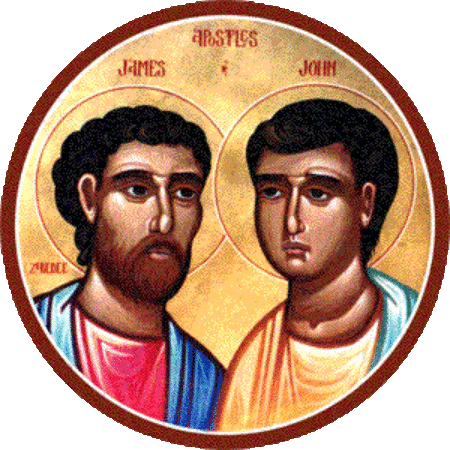
There is nothing wrong with an eager desire for a special closeness to Jesus. Jesus is eager to fulfil such desires, but warns us of the cost of sticking with him.

When God is seeking to communicate with us, we usually need the prayerful support of others to help ensure that we remain open to hearing what God is calling us to.
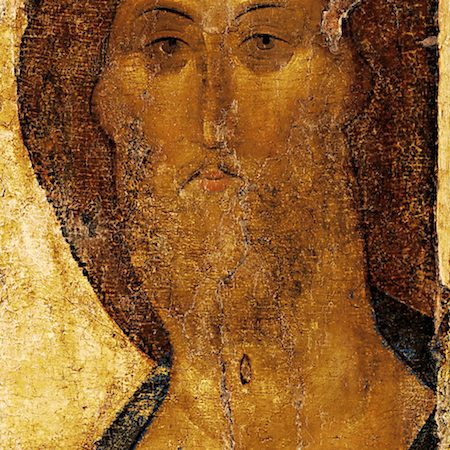
When we want to know what God is like, our primary source of information is Jesus.

Sickness and sin are similar and related disorders from which Jesus comes to to heal and save us.
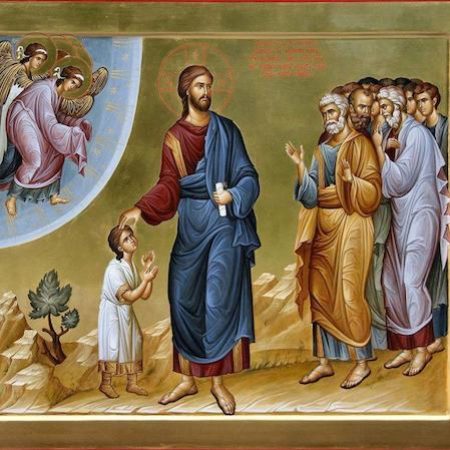
Children are a sign of the Kingdom, and our capacity to welcome them is a measure of our capacity to welcome the culture of God.

When we commit ourselves to following Jesus, we surrender all our personal aspirations and our share in the aspirations of our nation, in order that we might receive the life of Christ.
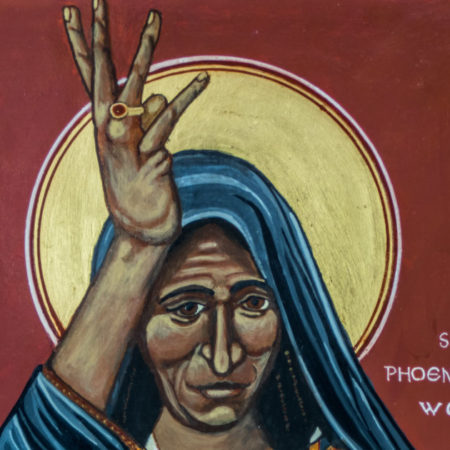
Jesus opens himself to the experience of those who are excluded and responds with a radical opening of the Table of God’s communion.

Sexual Intimacy is an exquisitely beautiful gift from God, but attempts to control and repress it frequently distort it into a hypocritical and malevolent force.

Jesus confronts us with our cannibalistic behaviour in order that we might follow him into a saving communion with God and one another.

Jesus calls us to choose between the old bread of hostility and death and the new bread of compassion and life.
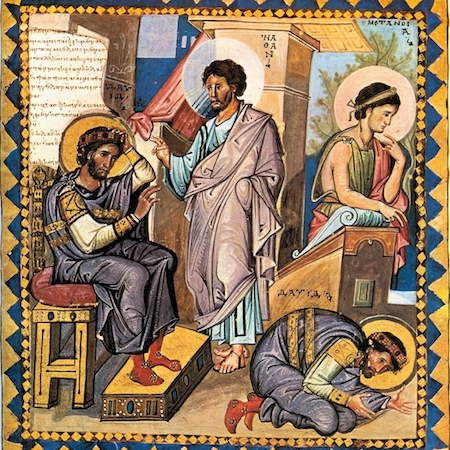
We are often blind to our own entanglement in evil, but when our eyes are opened, we are called into pathways of repentance and transformation that lead to life and healing.

All of us, men especially, share responsibility for confronting and changing the culture that enables men to feel entitled to rape, and Jesus leads us into the new culture that sets us all free.

Our common access to God through Christ breaks down walls of hostility, but we need to resist the universal impulse to build new ones.

Glimpses of the transformed world that God makes possible transfix us and leave us hungering for more.
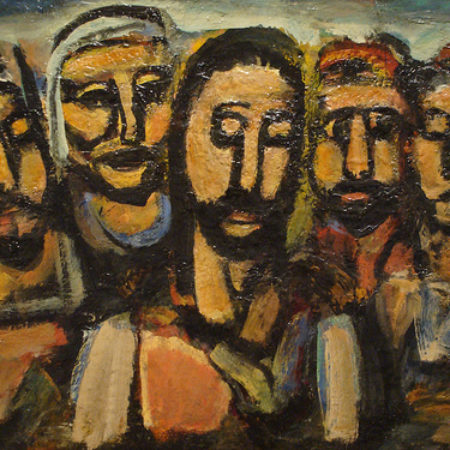
Pretending to be better than we are alienates us from God and one another. Being open and real about our weaknesses and failures open us to God and one another.
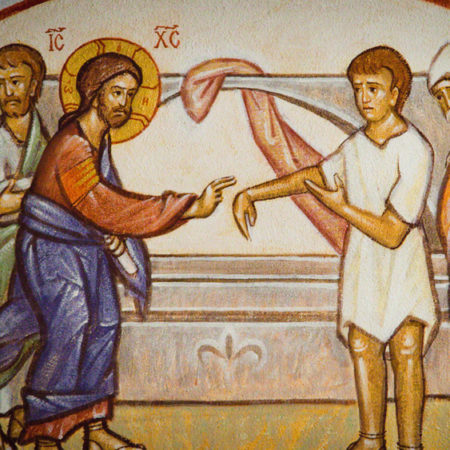
Jesus calls us to move beyond hostile identity politics, whether shaped by Sabbath keeping or #Outrage, and to welcome a new culture of love, forgiveness and welcome.

The doctrine of the Trinity helps us to see that, though exalted and transcendent, God is nevertheless close and personally involved with us.
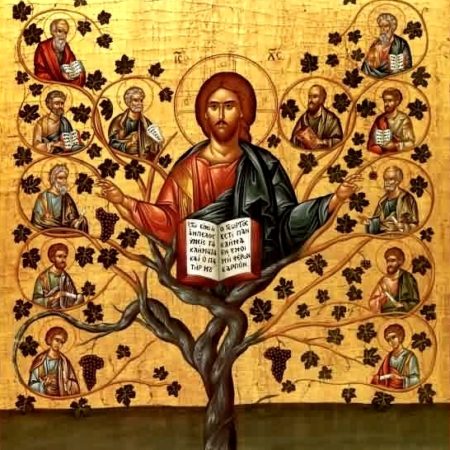
Jesus’s priestly identity and mission have been passed on to us and are to be seen in our prayer and our lives.
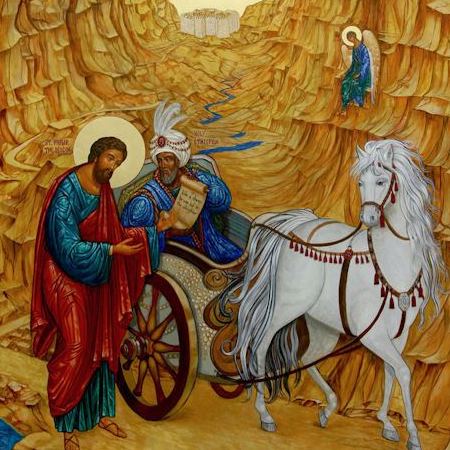
Rather than close the book on who can and cannot be accepted into the church, the Bible calls us to follow Jesus on a path of continually expanding inclusion.