
A close encounter with God in Christ can make us paralysingly aware of our own sin and failure, but the experience of grace can transform that into a solidarity and gratitude that empowers us.

A close encounter with God in Christ can make us paralysingly aware of our own sin and failure, but the experience of grace can transform that into a solidarity and gratitude that empowers us.

The only measure of our progress in Christian faith is our love for others, including those we are least inclined to love.

The promise of baptism with fire may surprisingly lead us to a loving suffering messiah.

We can’t take it for granted that Jesus will be where we want to go, for his ways often go contrary to ours and our business is to follow him.

The visitation story is a powerful introduction to the gospel of God’s lavish and overwhelming love for us, and to God’s hospitality as we see it in Jesus.
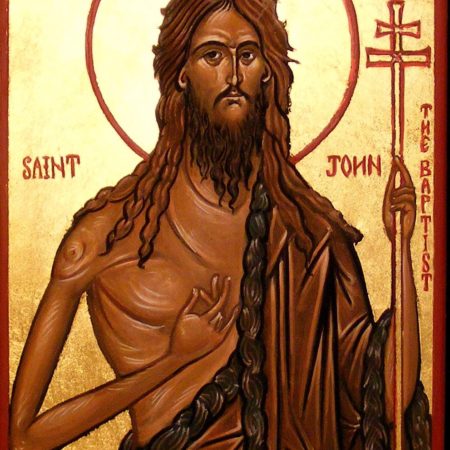
The joyous message of Christmas demands a response from us all year round.

The mercy of God – like the dawn that breaks a long darkness, the song that breaks a long silence – gives light, life and hope to those shadowed by death.

Christ calls us to be alert for his salvific coming in the midst of the terrors of the here and now, not just in the past and future.

We mostly don’t see ourselves as either terrible sinners or as gloriously Christ-like, but in the resurrection we are called to fully imagine both as world-changing truths.

God has hung a star in our sky, and called us to follow it to the Christ child, who will receive the gifts that we bring and we will return changed to our homes.

God’s coming does not reinforce our social norms and hierarchies, but breaches them to reconcile and re-dignify those who the social order has sacrificed and cast aside.

The Ascension is not a story about the absence of Christ, but of Christ’s extraordinary presence with us everywhere and always.

Like the Emmaus travellers, Jesus calls us to pay attention to what is happening in these strange times, to what makes our hearts burn within us, and so to be changed ready to live differently.
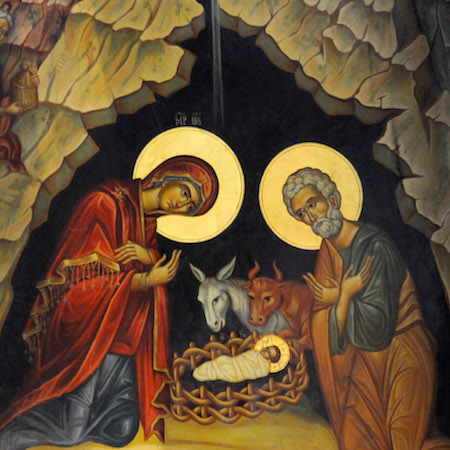
The Christmas stories assure us that Jesus is the one who brings light into our darkness.
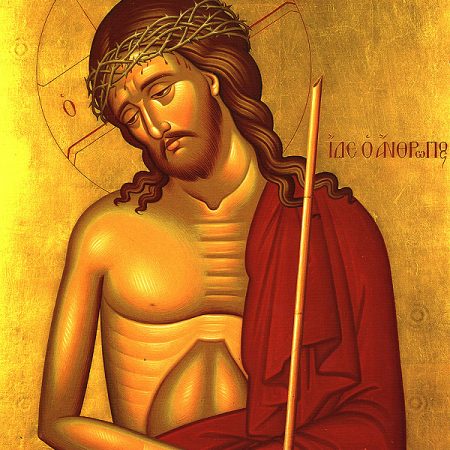
The culture of God’s beloved Son is born at the cross and takes root amidst a hostile world, spreading forgiveness and hospitality.

Global chaos marked by war, terror and injustice is growing inevitably, and as followers of Jesus we stand in witness against it, knowing that God is with us to the end.

The biblical pictures of marriage reflect our struggle to live our way into the vulnerable intimacy and relational fruitfulness that God wants for us and with us.

Christ’s gratuitous forgiveness and acceptance always manage to scandalise us, but it is our willingness to embrace them that saves us.

God delights to welcome everyone, and is not interested in who is better or worse, but we imagine God to be an elitist who mirrors our tendency to pick and choose and only accept the best.

The threat of extreme climate change can only be averted with a major spiritual transformation, and Jesus shows the way.