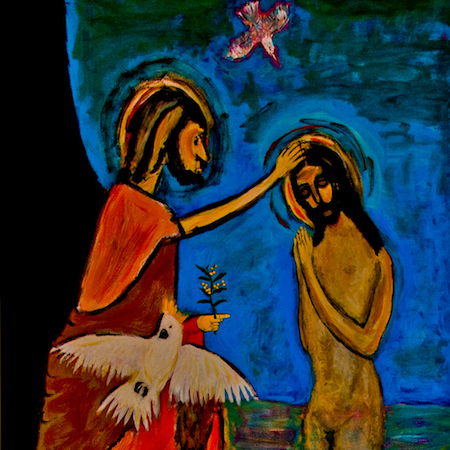
The imminent arrival of God’s messiah asks each of us to take up the identity of witnesses who open the way for God to be known.

The imminent arrival of God’s messiah asks each of us to take up the identity of witnesses who open the way for God to be known.
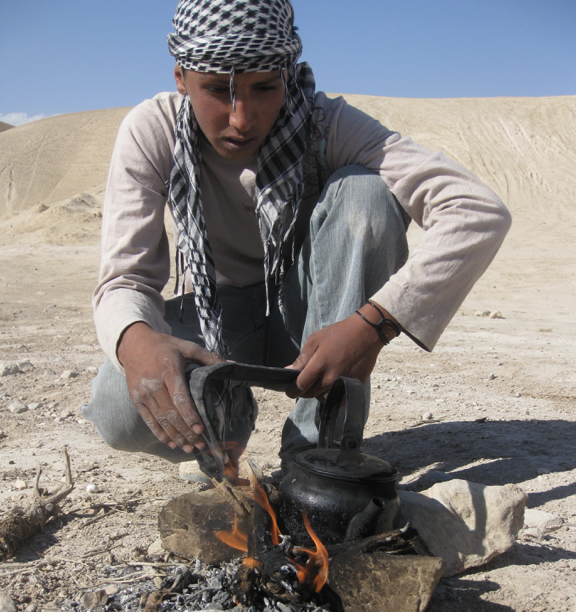
I want to look today at the story Jesus told in today’s gospel reading. It’s a story set on the road between Jerusalem and Jericho, and apart from the usual interpretations we bring to it, it is for me a story about chance encounters and being open to what happens. I’d like to start by…
Love names, creation, joyful service and gifts for the common good can be signs of the nature and culture of God.

The Holy Spirit fills the church with gifts, not only for its own sake, but so that it might be a gift to the world.
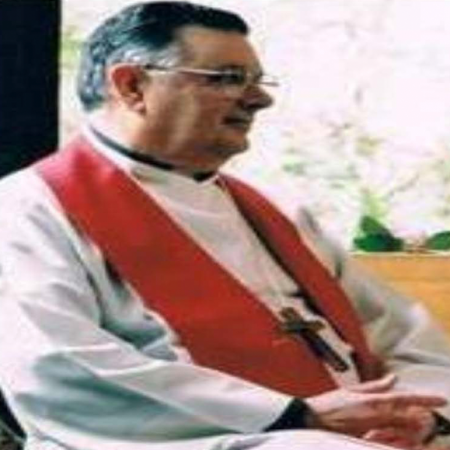
Tonight, on the 40th anniversary of his ordination, Gilbert Joyce reflected on his journey in pastoral ministry.
Because of God’s extravagant and eternal generosity, we are raised out of death and into God’s life and a burning desire to participate in God’s passionate concern for the world.

It is as members of the body that you are given the gifts that are needed for this body to serve in this time and this place.

Good gossip, listening in love to each other’s stories and seeking the presence of God, helps us to build connection and community and to grow in love.
Love is our purpose; we are not abandoned, not fearful, judgemental or self-righteous, for we are made in the image of God, who is gentle and wise, witty and loving, generous, forgiving, compassionate and kind.
We are not added to a particular church flock in order to be in the “right” group, but in order to learn, with Christ, to love others and lay down our lives for the world.
With every step we take towards God’s economy, we will become more powerful in our witness to God’s saving action and love for the world, and be filled ever more deeply with God’s good grace.
Jesus urges us to take stock, to recognise the sicknesses which warp us and the demons which colonise our hearts and our minds, to renounce them so that we become free to minister to one another, and to proclaim the good news in our words and our lives.
In our desire to see mercy and compassion expressed for the needy, we must beware of falling into desiring the exact opposite for those who have not shown mercy and compassion.
Jesus does not burden us with crippling moral expectations, but humbly takes our burdens on himself and frees us to relax into the life of God.
We pray for our neighbours to be blessed, but could we actually be being called to give a blessing?
How might the biblical witness and the Eucharistic meal set before us shed light on our sense of vocation, on the offerings we seek to bring, individually and collectively?
We can take our salvation and just return to normal life, but God calls us beyond normal into a wholeness that grows from praise, prayer and service.
God is always reaching out to those who we have cast off as nobodies, treating them as beloved somebodies, and calling us to follow in doing the same.
Like Mary, we are called to participate in God’s recreation and blessing of the world, and when we comprehend that call, we will, like Mary, explode with joy.