You can optionally write a description for the topic here.

All creation waits impatiently for humanity to work and pray its way into the fullness of our identity in Christ, for only then will all creation be safe and free.

You can optionally write a description for the topic here.
All creation waits impatiently for humanity to work and pray its way into the fullness of our identity in Christ, for only then will all creation be safe and free.
As Woody Allen said, 90% of success is just showing up, and in the resurrection, Jesus really shows up!
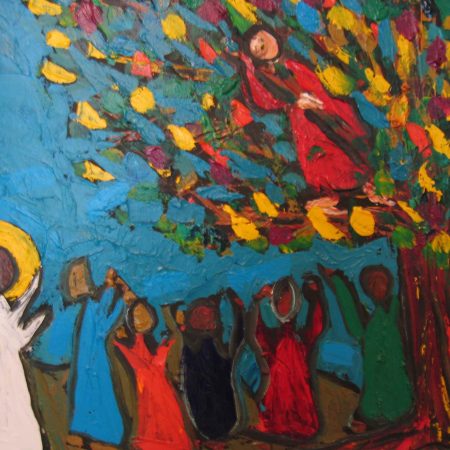
Christ’s gratuitous forgiveness and acceptance always manage to scandalise us, but it is our willingness to embrace them that saves us.
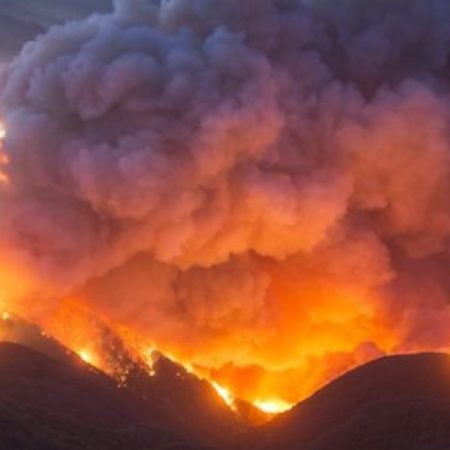
The threat of extreme climate change can only be averted with a major spiritual transformation, and Jesus shows the way.
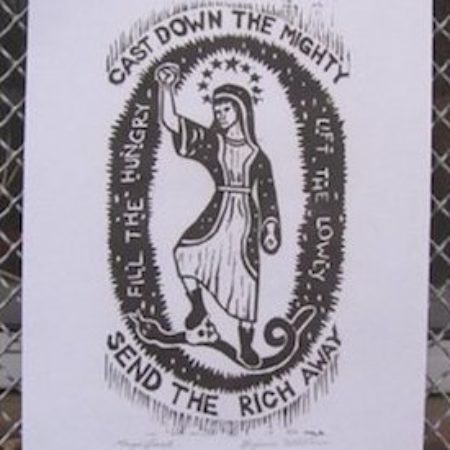
The baby whose coming is awaited will turn the world upside down (not just the lives of its parents!), and our counter-cultural observance of Advent is a necessary preparation of ourselves for that reality.

Jesus confronts us with our cannibalistic behaviour in order that we might follow him into a saving communion with God and one another.

Glimpses of the transformed world that God makes possible transfix us and leave us hungering for more.
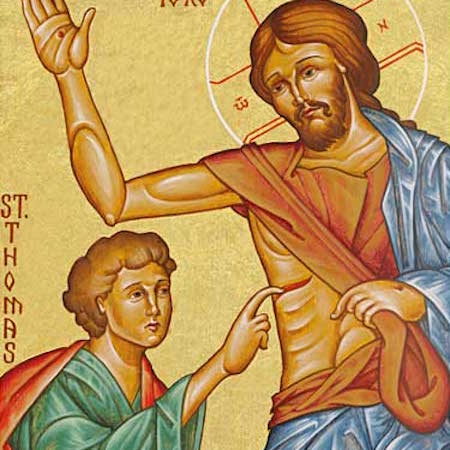
When we expected to be shamed as we have shamed others, we are shocked and saved by the unexpected mercy of the crucified and risen Jesus.
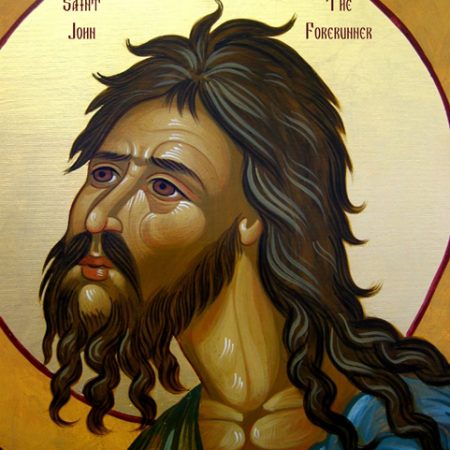
As God’s people, we celebrate life in the face of death, because we know that the victory of life has been secured.
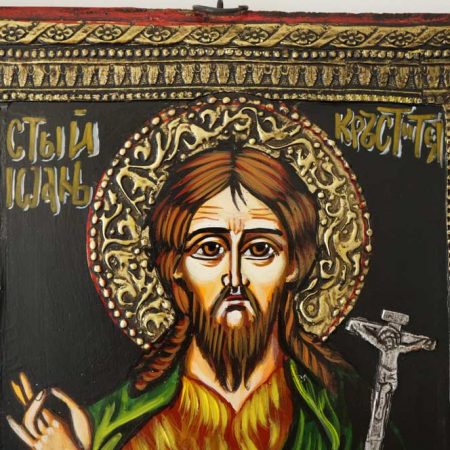
For both God and us, time can drag when waiting for change, but patience is salvation when forgiveness is offered as a means of change rather than as a reward for change.
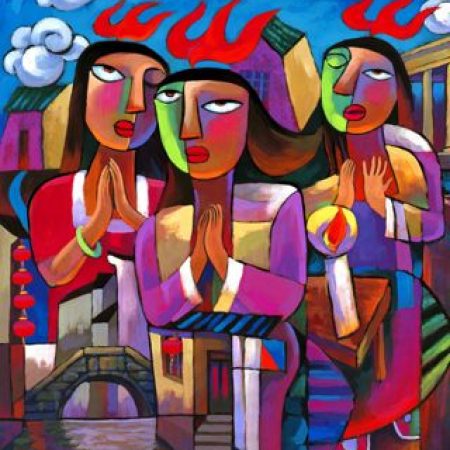
The Spirit of Jesus unites us across previously hostile boundaries and teaches us a language of liberating love.
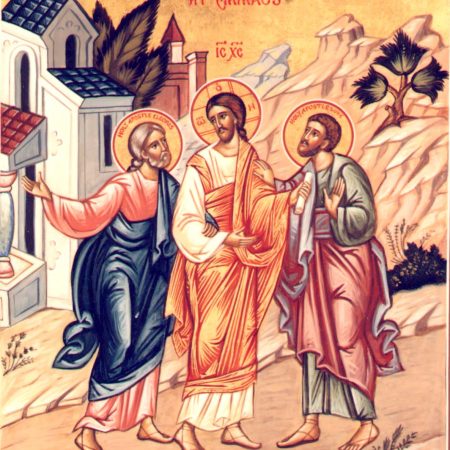
Meeting us on the road of despair, Jesus reveals to us that suffering and defeat are God’s means of bringing new life and hope.
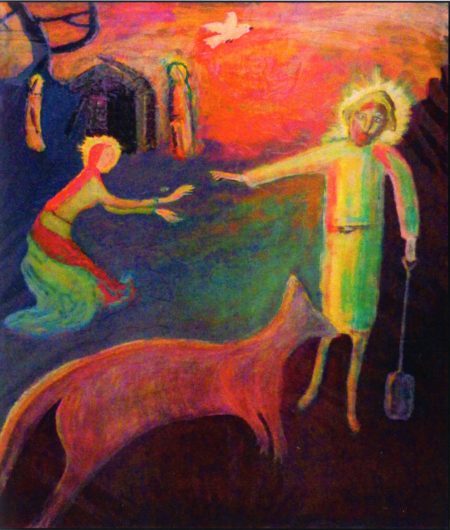
Jesus died an apparent failure, but in his resurrection, the failure’s power over us is broken for ever.

Our deepest thirst will never be satisfied by cautious morality and religious compliance, but it will be abundantly quenched when we drink deeply of the living water of joyous intimacy that Jesus pours out freely.
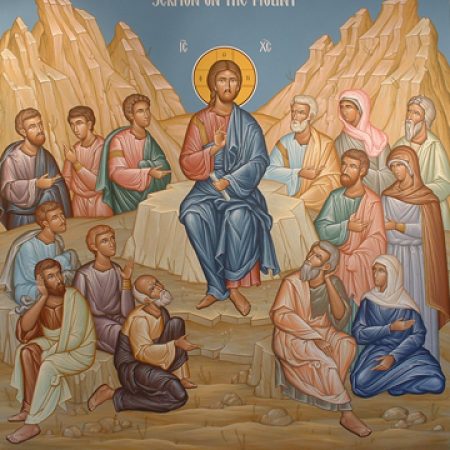
Jesus did not come to be the ultimate sacrifice that would appease God, but to show us, once and for all, that God does not want sacrifices at all, but lives of love, mercy and compassion.
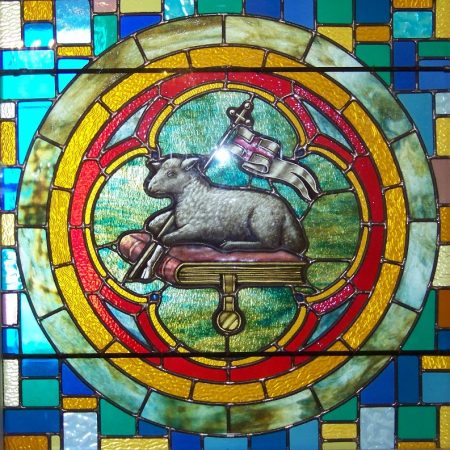
“Jesus Christ the Lamb of God”: These are such familiar words. We sing them almost every Sunday – but do we really understand what they mean or have they just become another Christian cliché for us?
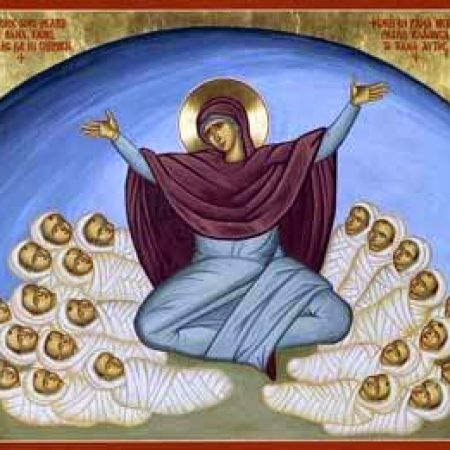
In the violence and suffering that surround the Christmas story, we find the revelation of a God who does not inflict violence and suffering, but suffers violence to bring love and peace.
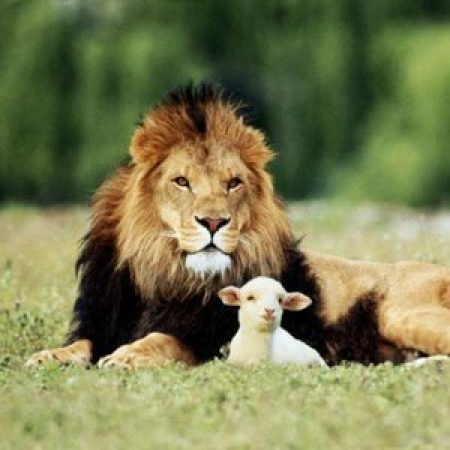
God’s visions of the future are often dismissed as unrealistic because our limited vision causes us to expect only more of the same.
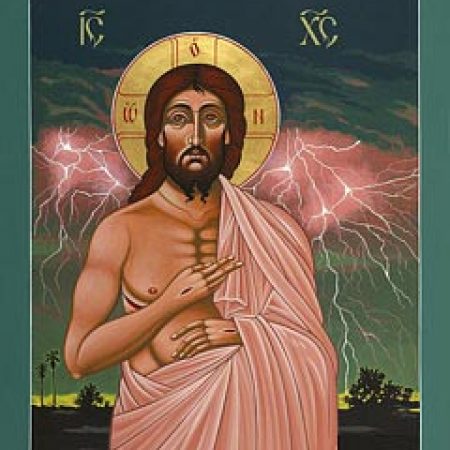
Floods of hostility and violence sweep people away, but we are called to prepare ourselves to stand firm with Jesus, and be left behind as those who will not succumb to the angry flood.
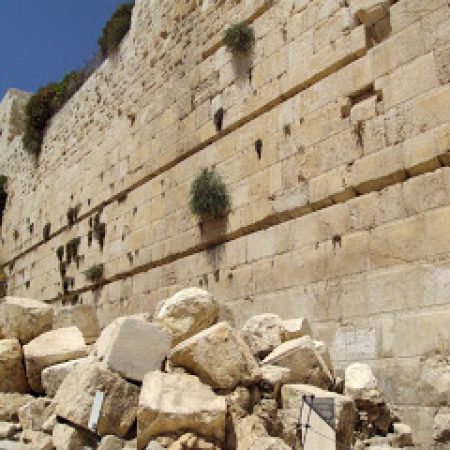
Events of global chaos probably aren’t signs of God’s next big move, but we need to take seriously the call to live faithfully and courageously in the midst of them.