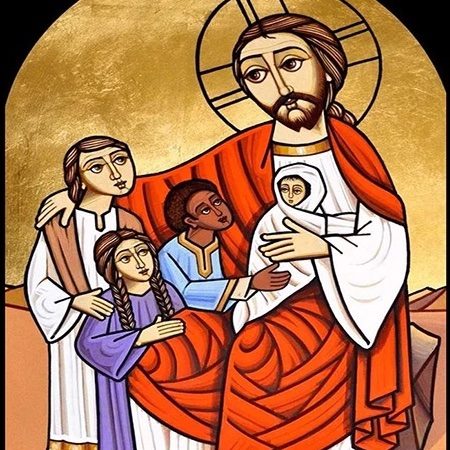
The Kingdom of God can only be accepted the way a child welcomes a hug, not the way lawyers accept a divorce settlement.

The Kingdom of God can only be accepted the way a child welcomes a hug, not the way lawyers accept a divorce settlement.

Instead of leaving unsaid the things that could cause conflict and division, we are called to listen intensely, slowly, intentionally, allowing all to speak their truth, so that we can find a way to move forward together in love and humility.

If we surrender ourselves to the Holy Spirit, we lose some of our inhibitions about social conformity and are liberated to break down the boundaries that keep people apart.
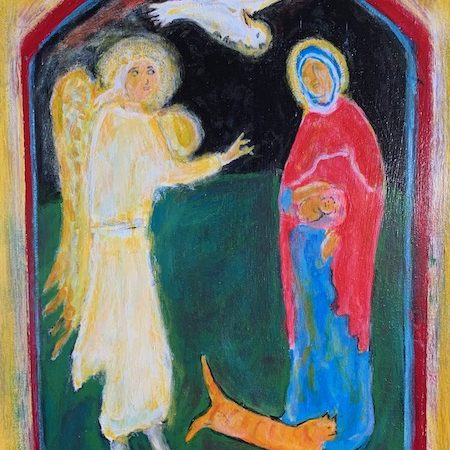
God’s coming does not reinforce our social norms and hierarchies, but breaches them to reconcile and re-dignify those who the social order has sacrificed and cast aside.
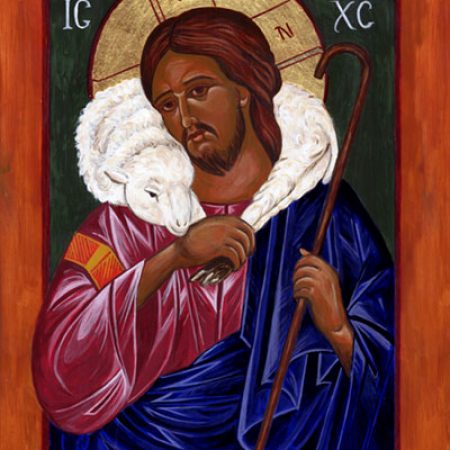
In a world dominated by arrogant and exploitative leaders, Jesus models a gentle shepherding leadership that prioritises the reintegration of the broken over the drive for “success” and “efficiency”.
The Holy Spirit breaks out of the boxes that our limited languages construct, surprising us with new messages of hope and freedom and life.

El Espíritu de Jesús nos une a través de límites previamente hostiles y nos enseña un lenguaje de amor liberador.
(The Spirit of Jesus unites us across previously hostile boundaries and teaches us a language of liberating love.)
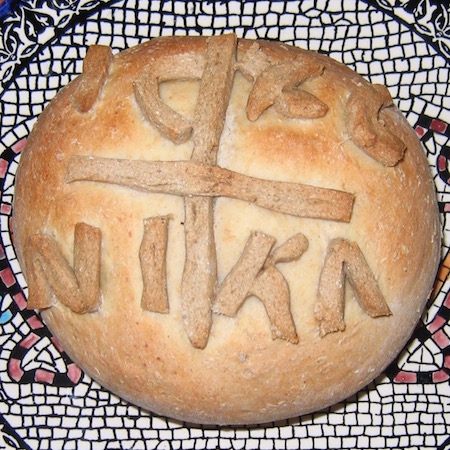
Jesus calls us to unite as his body around his table, and if we come to the table without seeking that unity, we dishonour Jesus.

Jesus calls us to neither conservatism nor iconoclasm, but to a faithful reckoning with the gifts and the sins of the past as we welcome and adapt to the new.

Godly love and respect doesn’t prevent disagreements in the church community, but it should enable us to address them without having to call in the lawyers.
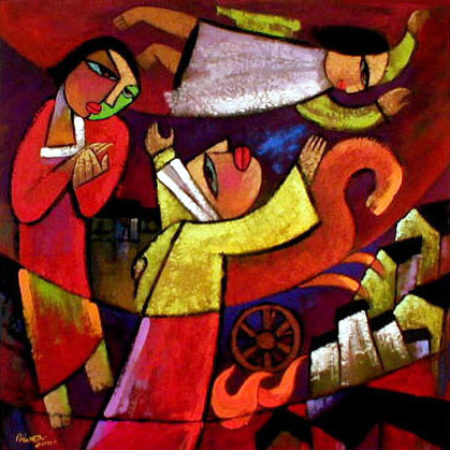
The instinct to call down fire on those we perceive as God’s enemies is a “fruit of the flesh” that must be supplanted by the fruits of love.
The new humanity formed in the death and resurrection of Jesus speaks a language of love and compassion that transcends linguistic and cultural differences and celebrates unity in diversity.

Jesus shows us that being overly cautious about the boundaries of personal space and touch can, especially in worship, risk excluding, stigmatising and humiliating people.
I acknowledge the Traditional Owners of the land on which we meet today. I pay my respects to their Elders, past and present, and emerging. I pay my respects to any who may be here today. I’m not sure if you know this but I read this week that Australia Day as a celebration of the founding of this nation only became…

Jesus opens himself to the experience of those who are excluded and responds with a radical opening of the Table of God’s communion.

Jesus confronts us with our cannibalistic behaviour in order that we might follow him into a saving communion with God and one another.

Our common access to God through Christ breaks down walls of hostility, but we need to resist the universal impulse to build new ones.

Glimpses of the transformed world that God makes possible transfix us and leave us hungering for more.
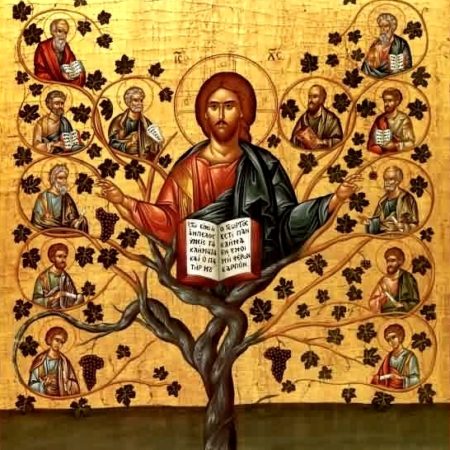
Jesus’s priestly identity and mission have been passed on to us and are to be seen in our prayer and our lives.
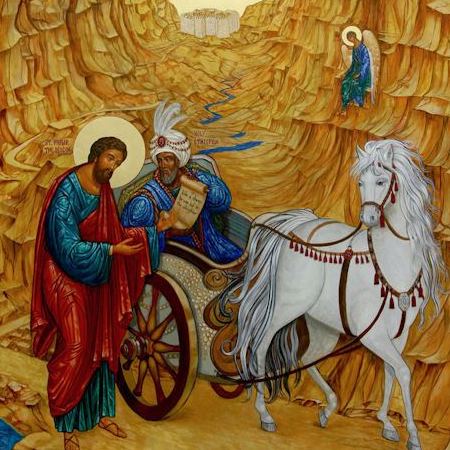
Rather than close the book on who can and cannot be accepted into the church, the Bible calls us to follow Jesus on a path of continually expanding inclusion.