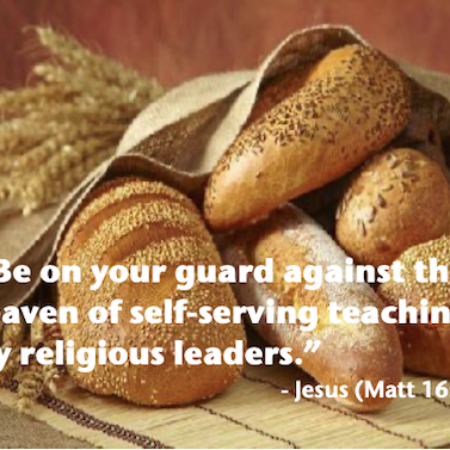
Self-interested leaders will frequently manufacture frightening images of an angry dangerous God to silence opposition and maintain their grip on power, but Jesus opens our eyes to these abuses and to the reality of a God of incorruptible love.

Self-interested leaders will frequently manufacture frightening images of an angry dangerous God to silence opposition and maintain their grip on power, but Jesus opens our eyes to these abuses and to the reality of a God of incorruptible love.
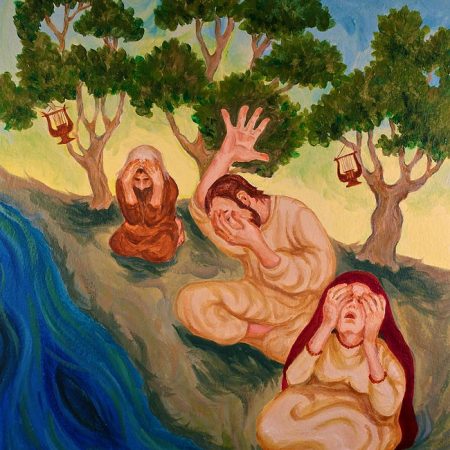
When God calls us to invest in the places we live, it is a call to active agents of positive change, not compliant patriots.

The threat of extreme climate change can only be averted with a major spiritual transformation, and Jesus shows the way.
I acknowledge the Traditional Owners of the land on which we meet today. I pay my respects to their Elders, past and present, and emerging. I pay my respects to any who may be here today. I’m not sure if you know this but I read this week that Australia Day as a celebration of the founding of this nation only became…
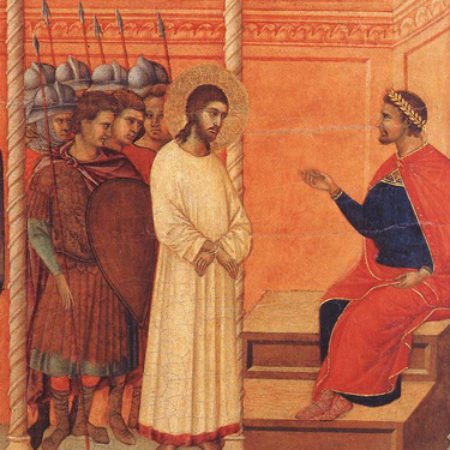
In the face of a politics grounded in nationalist arrogance and fake news, Jesus proclaims a ‘kingdom’ grounded in shared humanity and truth.

Our common access to God through Christ breaks down walls of hostility, but we need to resist the universal impulse to build new ones.
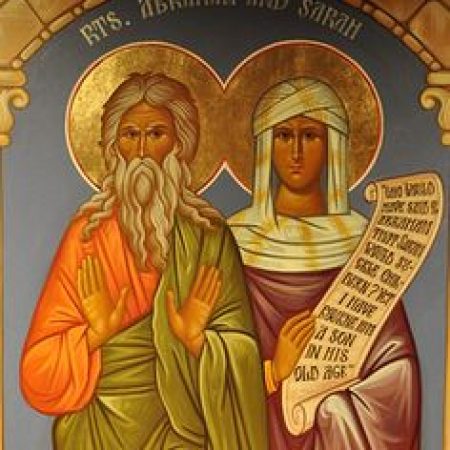
God has promised the whole world to all God’s children, but not exclusive rights to some bits of it to some people.
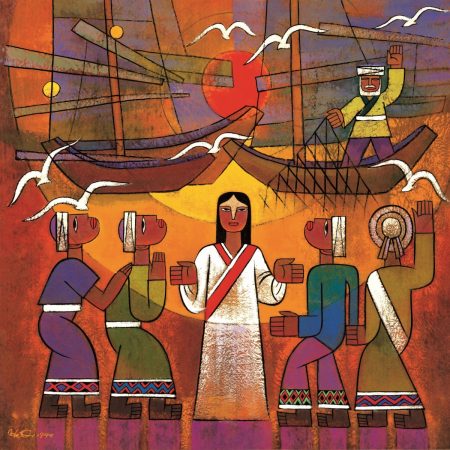
The culture of God is emerging in our present world, confronting us with a choice – do we cling to our allegiance to the cultures that have raised us or let go of them and embrace the culture of God.
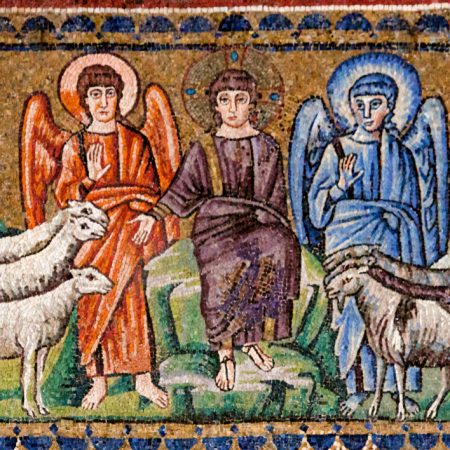
God has created a world that becomes healthy, free and full of life when its nations honour and care for the most vulnerable. Nations that fail to build cultures of compassion and care are doomed to destroy themselves.

When Jesus exposes our aversion to having others recognised as our equals, he calls us to repent and celebrate God’s generosity to all. The marriage equality debate exposes another frontier of his challenge to us.
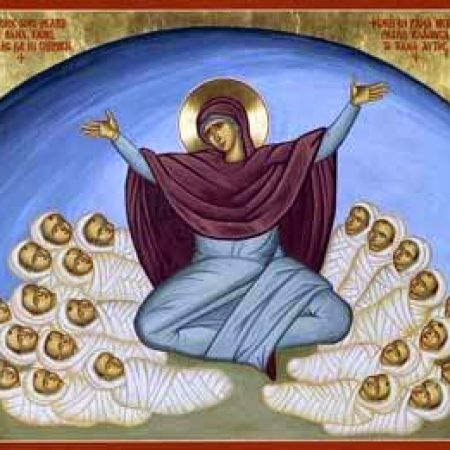
In the violence and suffering that surround the Christmas story, we find the revelation of a God who does not inflict violence and suffering, but suffers violence to bring love and peace.
We have been adopted as the children of a king who does not withhold his love until we comply, who does not ask us to sing for our supper, who does not use us or abuse us, but longs to bind up our wounds.
God is with us to comfort and revive us in the face of horror, but also to challenge us to turn things around.
In Christ, God acts for the salvation of all, and in Christ, we are called to pray for all (even politicians!).
To name Christ as King is to identify ourselves as dissenters to the claims of any other authority.
In the encounter with Jesus, our self-delusion and our scapegoating are painfully exposed, but with the possibility of forgiveness and freedom.
Any political wisdom which has lost touch with the values revealed to us in the character of God is on the road to disaster. It is not wisdom at all; it is just the mouthings of wealth and power.
There is no such thing as a ritual-free space, and performed well or performed badly, rituals change things, change people’s lives.
When we call Jesus King, we may not know what we’re saying.
Will we live out allegiance to the state, the economy, the mass media, consumerism, status-driven values and wealth, or to God, to the new community, to upside-down kingdom values and to a radical alternative which is the source of hope and transformation?