Christ is present to us in love, unity and reconciliation, and thus these are essential to our worship.

An Open Table where Love knows no borders
An Open Table where Love knows no borders
Sermons on Love (Page 6)
Faith is a gift created in us as Jesus shows us that the pathway of courageous love and self-sacrifice is not impossible to walk.
Understanding God as a relational trinity can guide us into the deep loving relationships with God and one another for which we were created.
We are to witness to this incredible, unbelievable, but very real truth: that in God’s reality, love crosses every divide, even the chasm of death.
God’s refining work is done not through judgement and punishment, but through the transforming power of love.
God gives us the love we thirst for, even while we are still fighting against God, and in doing so, God sets the pattern for us to follow that will bring freedom to the world.
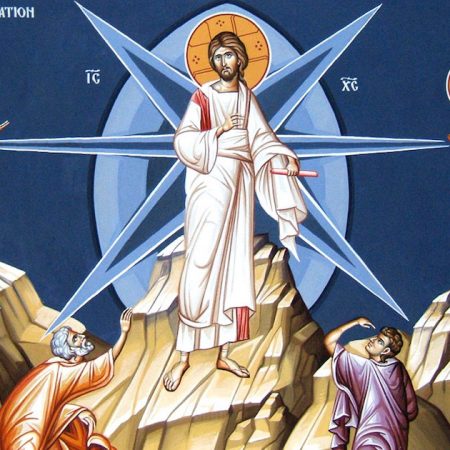
The stories of Moses, Elijah and Jesus on various mountain tops reveals a process of God’s self-revelation as the one who loves us and suffers for us.
The “things” we so readily put our trust in, or find our identity in, will all fall, and only God’s love and care for us will remain.
God is always reaching out to those who we have cast off as nobodies, treating them as beloved somebodies, and calling us to follow in doing the same.
Our identity as a community of Jesus’s followers is primarily expressed in love, gratitude and hospitality, not in compliance with a negative code of conduct.
The reputation that matters is a reputation for loving as Jesus loved and, like him, that will be seen as disreputable.
Extravagant expressions of love are a sign of the culture of God, and Jesus models generous giving and receiving of them, regardless of the scandal they cause.
God wants love rather than sacrifice, but in a fallen world love that is genuine will often be sacrificial.
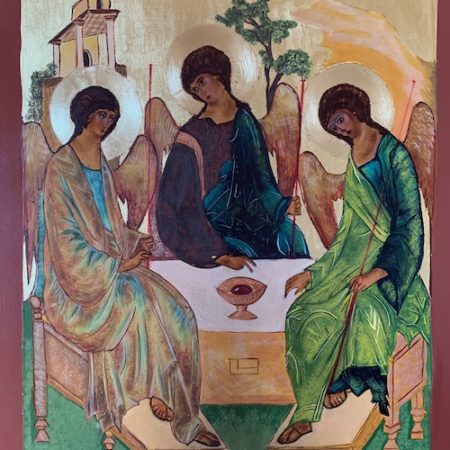
The vision of the Trinity reveals some of the most important characteristics of God: radical mutual love, radically open hospitality, and transformative engagement with the suffering of the world.
The Church is one body, sent into the world to live the life Jesus has begun, a life of love, reconciliation and mercy.
Jesus invites us into a new relationship with God and with one another based on love and friendship instead of power and rivalry.
God evaluates us only in terms of our growth to fruitfulness, expressed as Christ-like love, and such fruitfulness comes only from our interrelationship with Christ. God deals with us in whatever way will lead to further growth – sometimes that is gently, sometimes it is harshly, always it is for the same purpose.
The commandments cannot be imposed, but are what result when people have learned to love and their desires have merged with God’s.
God’s covenant of love and grace is made unconditionally, not depending even on our response, and so the promises are made to our children whether they respond or not.
Our anticipation of new life in Christ, though not removing all grief, allows us to find hope in the mercy and love of God.