Although often dismissed as utopian nonsense, Jesus’s teachings about non-retaliation and love of enemies are the key to the salvation of the world.

Although often dismissed as utopian nonsense, Jesus’s teachings about non-retaliation and love of enemies are the key to the salvation of the world.

The world finds the message of Jesus almost incomprehensible because it seems too simplistic and unrealistic to be taken seriously.
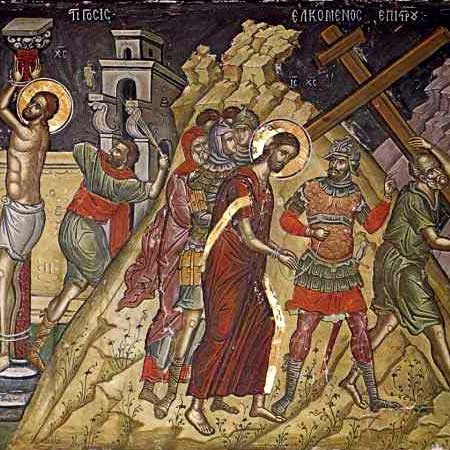
The culture of God is so radical in its loving embrace of everyone that mainstream society will see it as a dangerous rejection of all it holds dear.
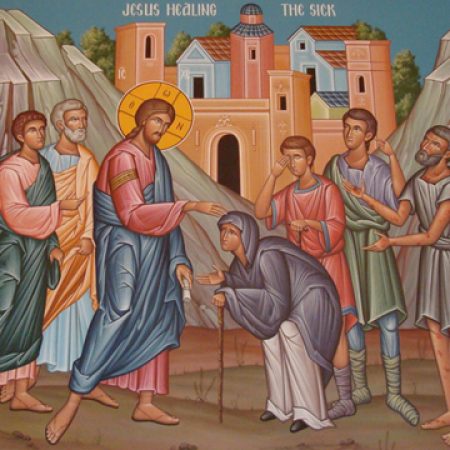
True Christianity is not transactional but transformational. It is not a series of prescribed actions intended to please God, but the formation of a culture of grace and other-centred love.

The self-giving love of the Trinity, contrasted with the experience of a toxic love triangle, calls us to a new non-possessive love that always seeks the glory and delight of the other.
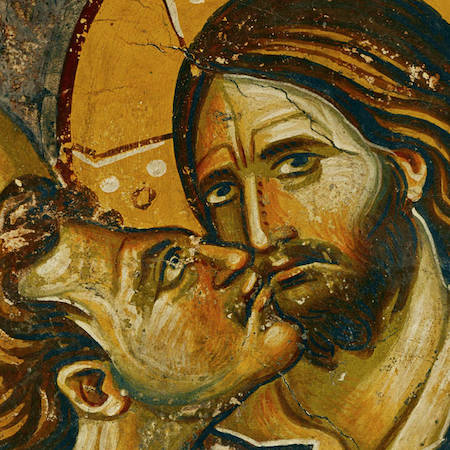
The love of God seeks us out, even when we least deserve it, and then calls us to love others similarly.
Because of God’s extravagant and eternal generosity, we are raised out of death and into God’s life and a burning desire to participate in God’s passionate concern for the world.

Because of God’s abundance, God’s never-ending supply of extravagant and eternal generosity, we are raised out of death and into God’s life: a life of gratitude, of loving, of belonging, out of which flows a life of service and a burning desire to participate in God’s passionate concern for the world.
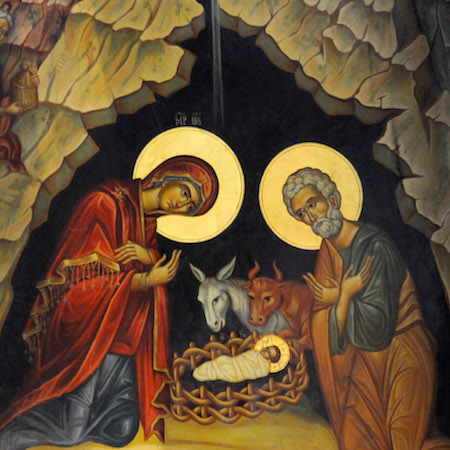
God becomes human and brings into himself (reconciles to himself) in Jesus the full range of human emotional experience.
The refining fire made known in Jesus is not targeting “morality” issues, but our hatreds, hostilities and inhospitableness.

Good gossip, listening in love to each other’s stories and seeking the presence of God, helps us to build connection and community and to grow in love.
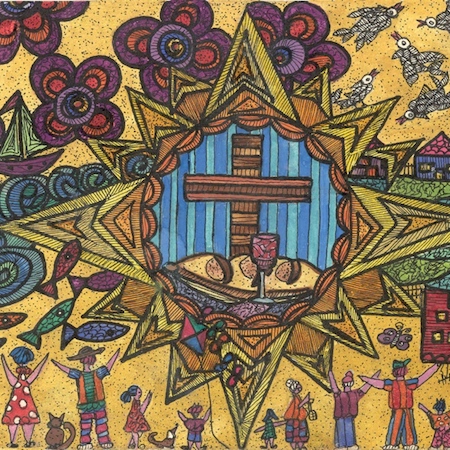
En Cristo somos uno con toda la carne y la sangre, y por lo tanto nuestra lucha no es contra ningunas personas, sino contra los espíritus y los principados y los potestades que dividirían a la gente y les harían enemigos.
We have been adopted as the children of a king who does not withhold his love until we comply, who does not ask us to sing for our supper, who does not use us or abuse us, but longs to bind up our wounds.
Love is our purpose; we are not abandoned, not fearful, judgemental or self-righteous, for we are made in the image of God, who is gentle and wise, witty and loving, generous, forgiving, compassionate and kind.
The glory of God is most fully revealed in Jesus’s willingness to suffer death at the hands of the law.
We are prepared to sacrifice and kill in the name of our God, but God is willing to be sacrificed and be killed to save us, even when we were enemies.
Jesus calls us to turn away from pathways of judgement and condemnation and to follow him on the harder path of love and new life.
Expecting God to always appear as an exalted triumphant victor blinds us to the reality of God’s glory which is made known in suffering, self-sacrificial love.
Jesus calls us to model a pattern of love and generous inclusion, and to avoid the demonic temptations of exclusion and pride.
What would happen if violence were met with bread, with blankets, with hospitals, with forgiveness of debts?