
Tonight we farewelled Peter from our congregation as he moves north, and he shared his reflections of what his time in this church has meant to him.

Tonight we farewelled Peter from our congregation as he moves north, and he shared his reflections of what his time in this church has meant to him.
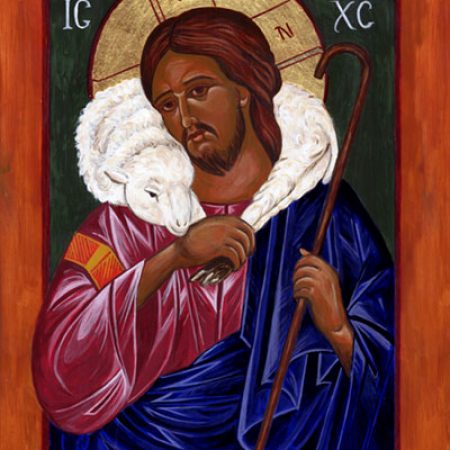
In his own demonstration of self-sacrificial love, Jesus has shown us what God is like and called us to love God and one another by loving likewise.
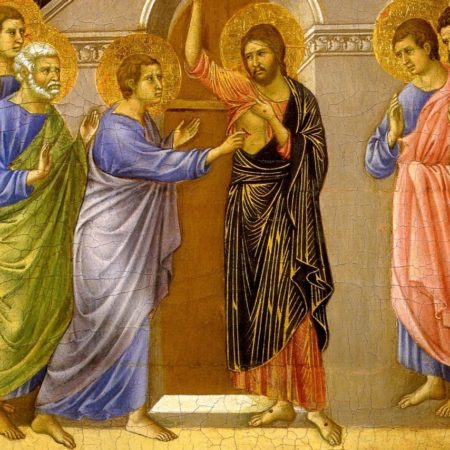
By lifting us out our enthralment to evil and death, Jesus sets us free from all that corrupts us and opens us to share real life with him.
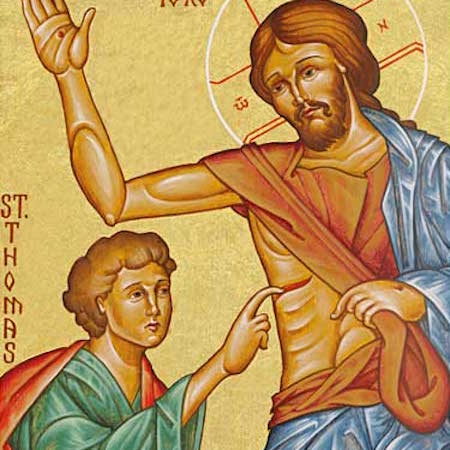
When we expected to be shamed as we have shamed others, we are shocked and saved by the unexpected mercy of the crucified and risen Jesus.
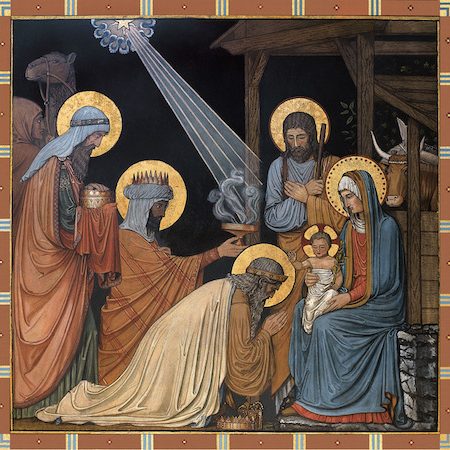
The light of Christ reaches the world through those who will bear the wounds of love.
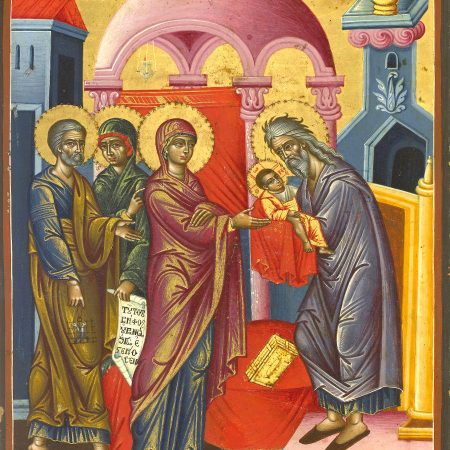
Jesus was born to reveal and fulfil what God had long sought to do; set people free to live joyously as God’s children.
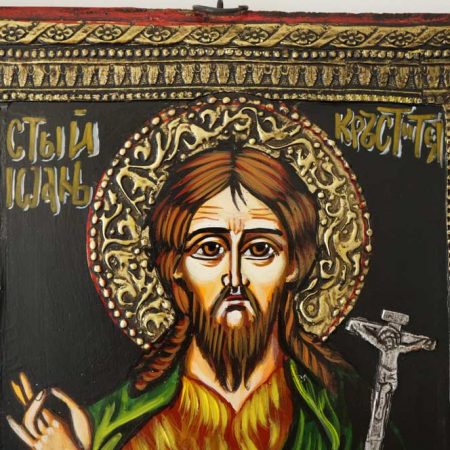
For both God and us, time can drag when waiting for change, but patience is salvation when forgiveness is offered as a means of change rather than as a reward for change.

God has created a world that becomes healthy, free and full of life when its nations honour and care for the most vulnerable. Nations that fail to build cultures of compassion and care are doomed to destroy themselves.

Today, as in Jesus’s day, two fundamentally different visions of God and God’s expectations compete. Jesus calls us to side with the one that centres on love rather than the one that centres on concerns for holiness.
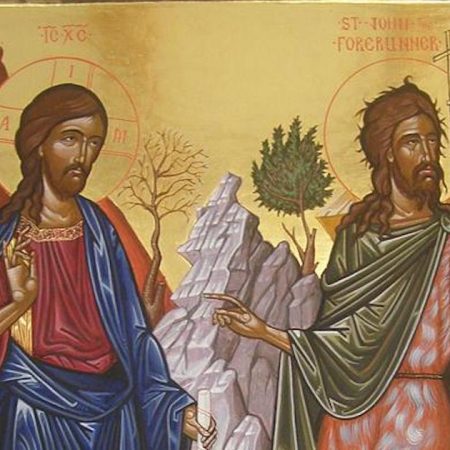
The marriage equality debate raises questions about authority, but prophetic authority is not proved by fidelity to past rules, but by its power to produce a harvest of new life and love among the people.

When Jesus exposes our aversion to having others recognised as our equals, he calls us to repent and celebrate God’s generosity to all. The marriage equality debate exposes another frontier of his challenge to us.

Jesus calls us to welcome and honour each other at his table regardless of the disagreements we may have over how to apply biblical teachings.
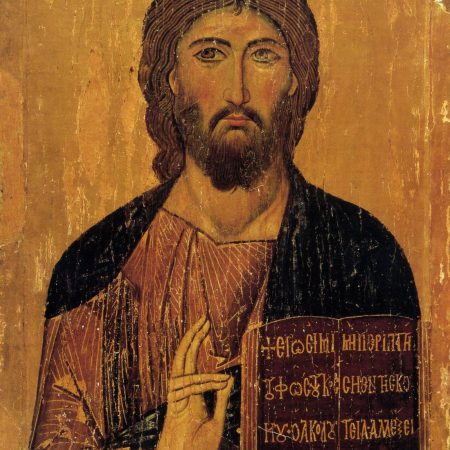
Law typically serves to contain the expression of human desire within safe bounds, but Jesus calls us to follow him in fulfilling the law through radical love and mercy that always seeks reconciliation.
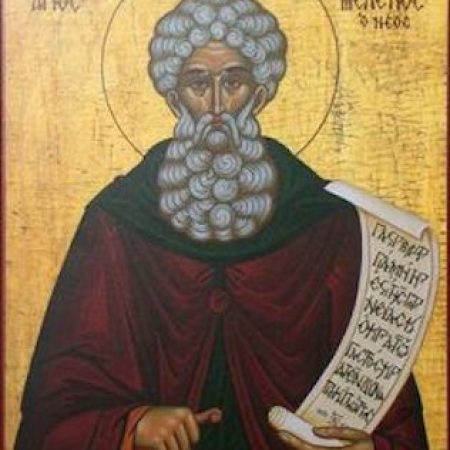
Christians are to be known for what they celebrate and affirm and encourage rather than what they are against.
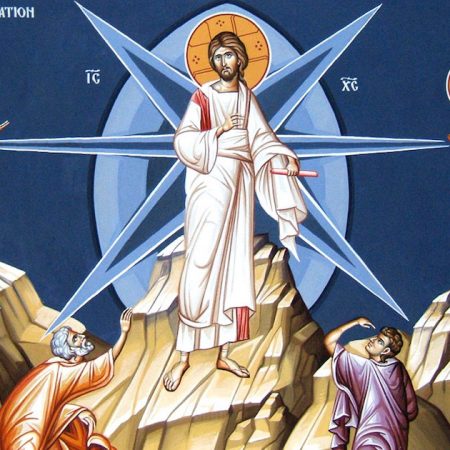
Jesus went up the mountain and was transfigured, and we assume that it was a wonderful experience. And so it was, but maybe not in the way we think. What if the glory of God revealed in the face of Jesus at that moment was the face of utter human vulnerability?

In a world infested by terror and fear, Jesus tells us that becoming the victims of that world is not nearly as dangerous as becoming part of it.

The Spirit of Jesus unites us across previously hostile boundaries and teaches us a language of liberating love.
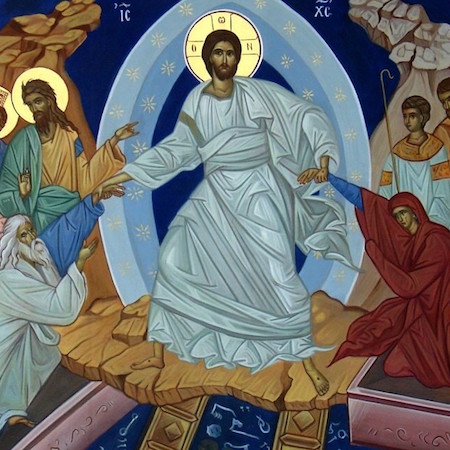
Following Jesus has nothing to do with trying to be good. His love and hope are gifts, rather than demands, and they free us to love and hope freely.
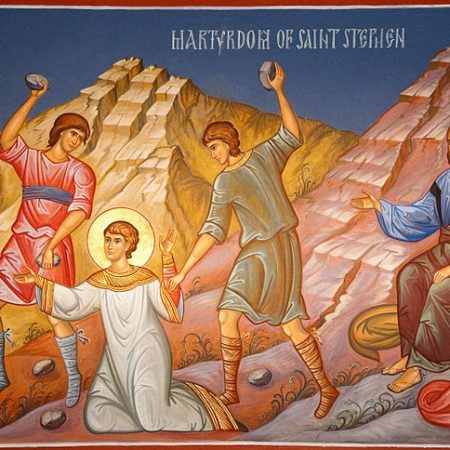
True martyrs are those who are killed because their love, truthfulness and forgiveness are intolerable, not those who die killing for their cause.

Our deepest thirst will never be satisfied by cautious morality and religious compliance, but it will be abundantly quenched when we drink deeply of the living water of joyous intimacy that Jesus pours out freely.