
Outrageous love is the most obvious characteristic of Jesus, and therefore it is the one thing that will make us recognisable as his followers.
We have been drawn into an unstoppable rumour that keeps interrupting the dominant story of fear, hostility and death.
Jesus shows us that being overly cautious about the boundaries of personal space and touch can, especially in worship, risk excluding, stigmatising and humiliating people.
Jesus sets out to reshape our view of the relationships between sin, repentance and disaster, and if possible, to call us out of our spiral into global self-destruction.
In a world that is hell-bent on self-destruction, Jesus calls us to gather to him and to love faithfully and vulnerably with him, rather than surrendering to the hate and fear.
It is with the love of Christ taking charge of us, that we can venture into combat with the wrongs of our time without being dragged down by the very same demons that we oppose.
Jesus possesses an astonishing freedom in God and will not be used to justify causes of nation, religion, status quo, or even his own family and friends.
Love names, creation, joyful service and gifts for the common good can be signs of the nature and culture of God.
Jesus models for us a willingness to listen, learn and grow rather than a domineering certainty that insists on knowing who’s right and who’s wrong.
In the face of a politics grounded in nationalist arrogance and fake news, Jesus proclaims a ‘kingdom’ grounded in shared humanity and truth.
What is the legacy you will leave? Live into life and love the way you want it to be, because whatever you choose will live on after you.
When we want to know what God is like, our primary source of information is Jesus.
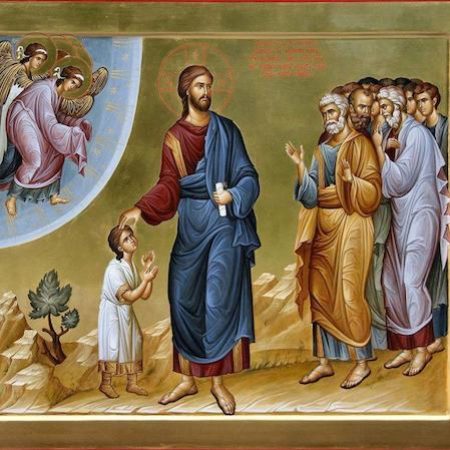
Children are a sign of the Kingdom, and our capacity to welcome them is a measure of our capacity to welcome the culture of God.
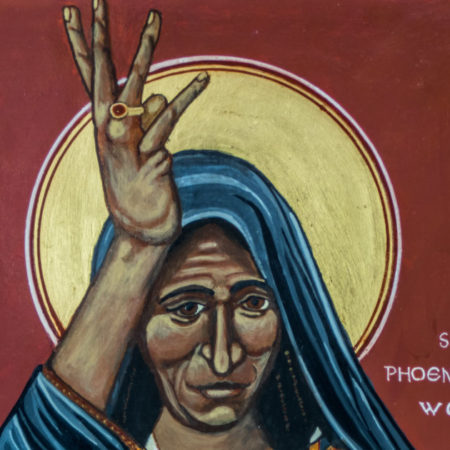
Jesus opens himself to the experience of those who are excluded and responds with a radical opening of the Table of God’s communion.
Sexual Intimacy is an exquisitely beautiful gift from God, but attempts to control and repress it frequently distort it into a hypocritical and malevolent force.
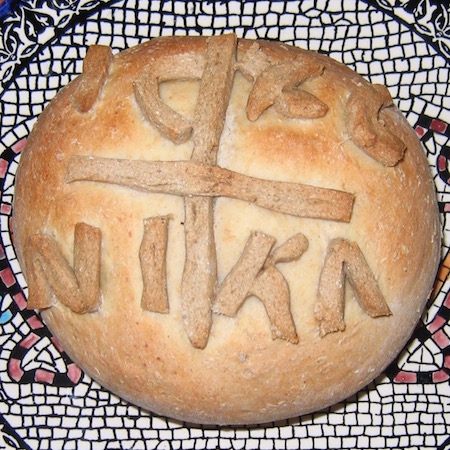
Jesus calls us to choose between the old bread of hostility and death and the new bread of compassion and life.
Our common access to God through Christ breaks down walls of hostility, but we need to resist the universal impulse to build new ones.
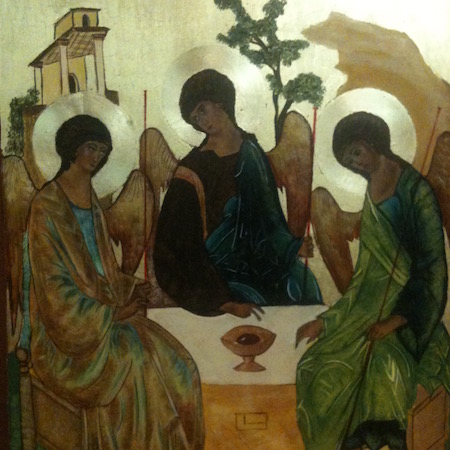
The doctrine of the Trinity helps us to see that, though exalted and transcendent, God is nevertheless close and personally involved with us.
Tonight we farewelled Peter from our congregation as he moves north, and he shared his reflections of what his time in this church has meant to him.
In his own demonstration of self-sacrificial love, Jesus has shown us what God is like and called us to love God and one another by loving likewise.