
Jesus calls us to welcome and honour each other at his table regardless of the disagreements we may have over how to apply biblical teachings.

Jesus calls us to welcome and honour each other at his table regardless of the disagreements we may have over how to apply biblical teachings.

Christians are to be known for what they celebrate and affirm and encourage rather than what they are against.
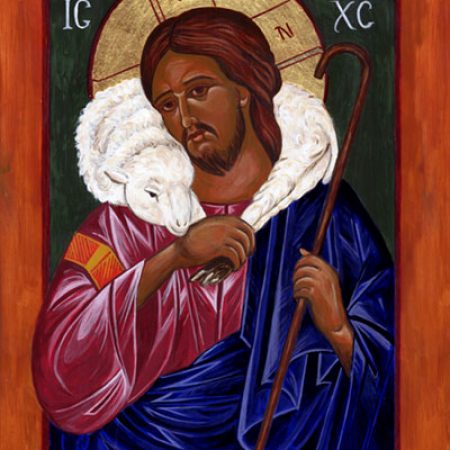
Jesus gives us an abundance of all that we need, and when we learn to trust that, we are set free from rivalry and possessiveness and enabled to share generously.
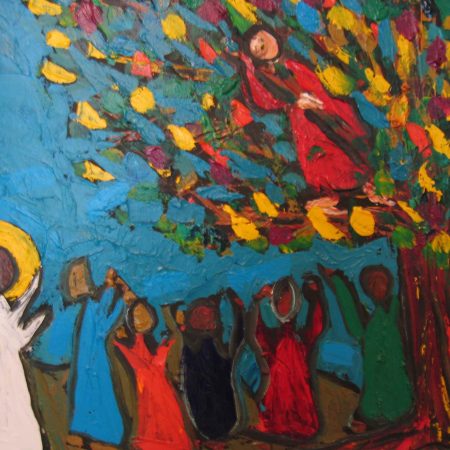
Before your past catches up with you, Jesus will try to blindside you with scandalous grace.

God longs to welcome and bless us far more than we deserve, but if we don’t contribute to a culture of extravagant grace, we are unlikely to be able to receive it.
The refining fire made known in Jesus is not targeting “morality” issues, but our hatreds, hostilities and inhospitableness.
Jesus’s invitation is radically open and inclusive, and we need to guard carefully against our own culturally conditioned instincts to start narrowing and policing it.

Good gossip, listening in love to each other’s stories and seeking the presence of God, helps us to build connection and community and to grow in love.
Building impressive buildings can be about a desire to monopolise and contain God, whereas God wants us to break down any walls that divide and exclude anyone.
God calls us to faithful expressions of the Culture of God which usually look unimpressive and unruly when judged by the world’s usual standards of success.
With every step we take towards God’s economy, we will become more powerful in our witness to God’s saving action and love for the world, and be filled ever more deeply with God’s good grace.
We pray for our neighbours to be blessed, but could we actually be being called to give a blessing?
We are to witness to this incredible, unbelievable, but very real truth: that in God’s reality, love crosses every divide, even the chasm of death.
We are a ragtag bunch, but in witnessing to God’s mercy and love, we become the people of God together.
How might the biblical witness and the Eucharistic meal set before us shed light on our sense of vocation, on the offerings we seek to bring, individually and collectively?
The Christmas story includes a message of God’s solidarity with and care for children and families who live in fear and who flee to seek refuge. We corrupt the message if we make it about our children and not all children.
When God is moving to do something new among us, it almost always seems scandalous, immoral and offensive to many, and is just as likely to involve those who are regarded as morally suspect.
God is always reaching out to those who we have cast off as nobodies, treating them as beloved somebodies, and calling us to follow in doing the same.
Our identity as a community of Jesus’s followers is primarily expressed in love, gratitude and hospitality, not in compliance with a negative code of conduct.
God saves us by changing our hearts, but one of the great temptations for the church is to try to turn that back into a system of exclusion and control.