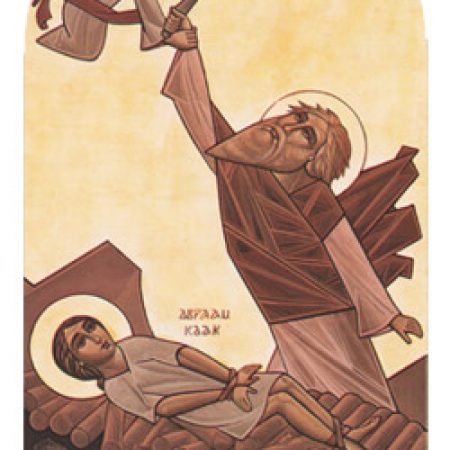
What we do with our children is one of the great tests of our faithfulness to the God of Jesus, and tragically, child sacrifice is common in our society.

What we do with our children is one of the great tests of our faithfulness to the God of Jesus, and tragically, child sacrifice is common in our society.

In a world infested by terror and fear, Jesus tells us that becoming the victims of that world is not nearly as dangerous as becoming part of it.
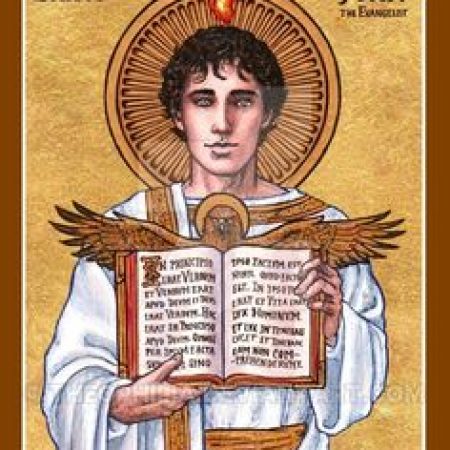
Allowing ourselves to be shaped by the teaching and testimony passed down from the Apostles protects us from falling for the idea that the gospel is a marketable means of gratifying our wishes.

Journey is a powerful metaphor for the spiritual life. A spiritual journey changes us, we learn more about what life is all about and who we really are.
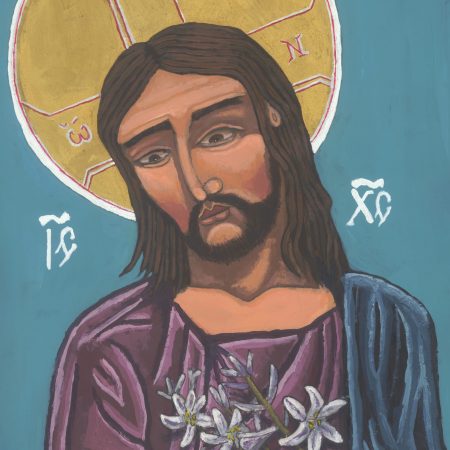
While the final judgement of each individual is rightly left to God, we are called to ensure that we are found to be loving, merciful and trustworthy by the world around us.
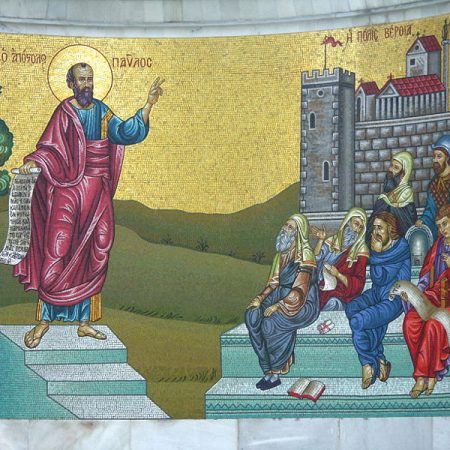
The world finds the message of Jesus almost incomprehensible because it seems too simplistic and unrealistic to be taken seriously.
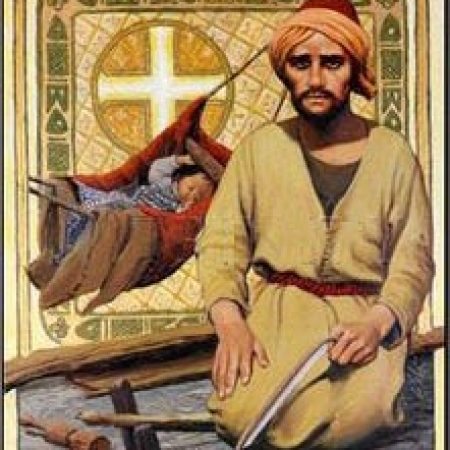
In Joseph we see an impressive example of someone with the integrity and courage to embrace God’s new directions despite considerable personal cost.
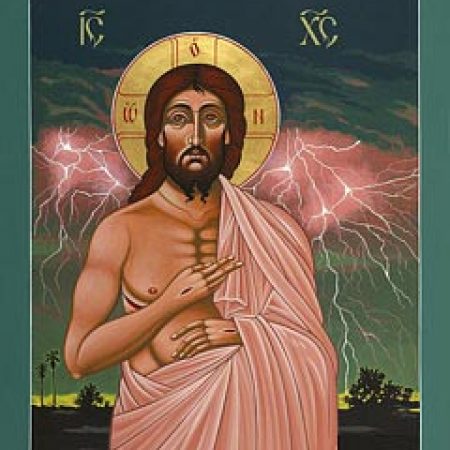
Floods of hostility and violence sweep people away, but we are called to prepare ourselves to stand firm with Jesus, and be left behind as those who will not succumb to the angry flood.
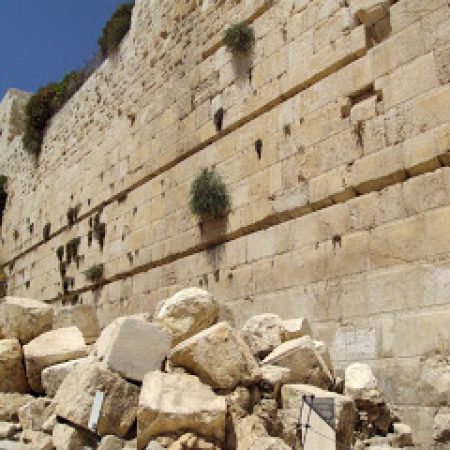
Events of global chaos probably aren’t signs of God’s next big move, but we need to take seriously the call to live faithfully and courageously in the midst of them.
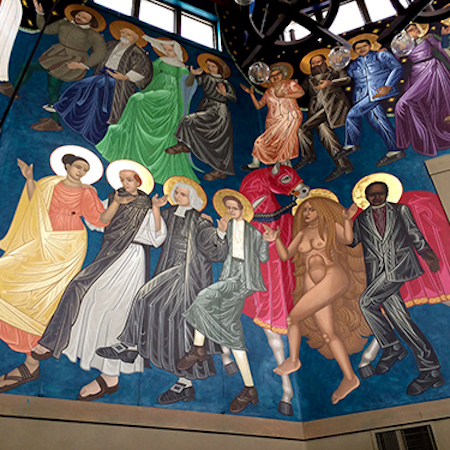
God’s self-giving is to all of humanity, all of the time, and we are called to lift our eyes beyond our immediate concerns and stand in solidarity with the faithful who have gone before us.
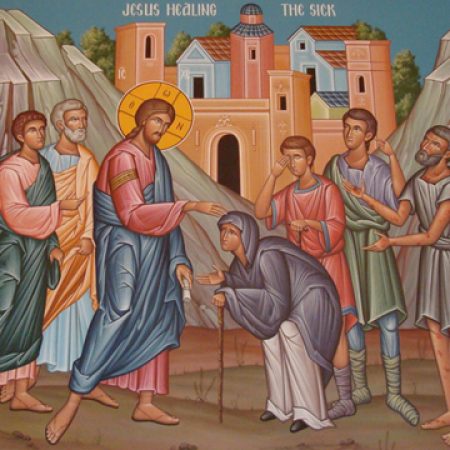
Living in hope-fuelled anticipation of God’s promised future does not mean withdrawing from the life of the world around us.
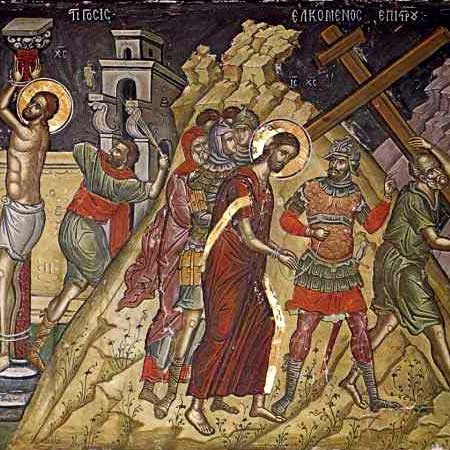
The culture of God is so radical in its loving embrace of everyone that mainstream society will see it as a dangerous rejection of all it holds dear.
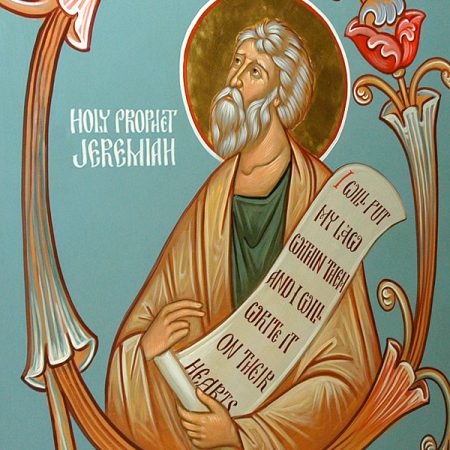
True Christianity is not transactional but transformational. It is not a series of prescribed actions intended to please God, but the formation of a culture of grace and other-centred love.
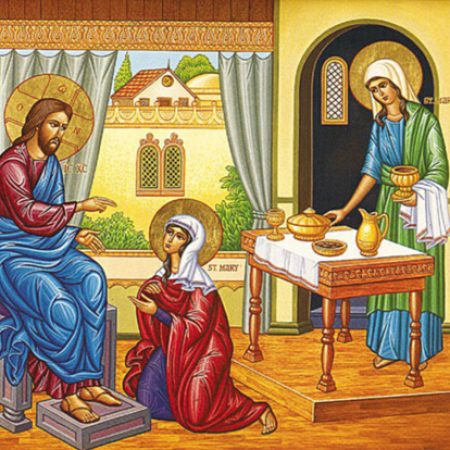
The ways of God’s Kingdom are different to the ways of this world. One thing is needed, prioritising God’s ways, and when we get that right, all the other things follow.
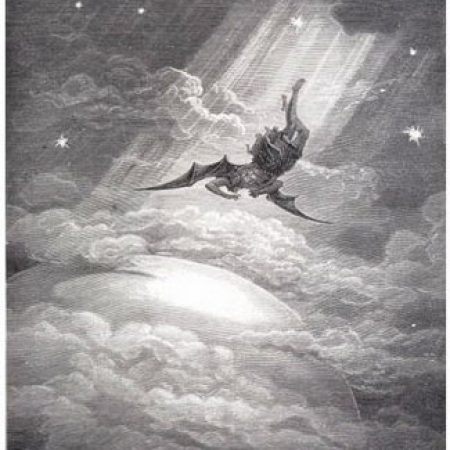
Election week sheds new light on how we can participate with Jesus in bringing satanic principalities and powers crashing down.
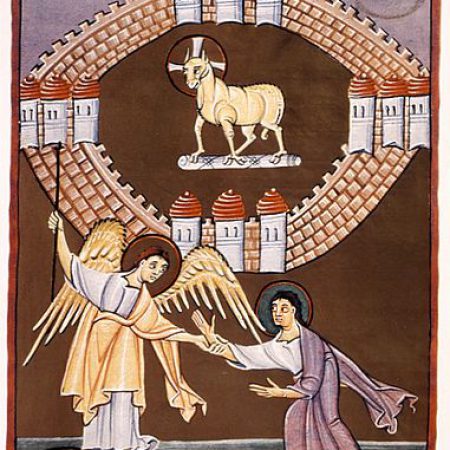
The Revelation’s surprising image of the absence of church buildings in the fulfilled holy city is a helpful reminder that they have always been a risky concession and that their dangers need to be carefully avoided.
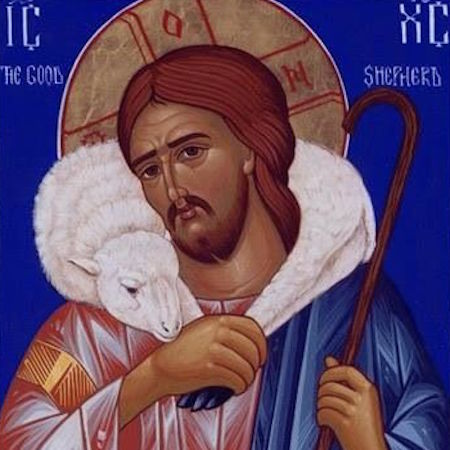
There is no more waiting; there is no more longing. The wait is over. Jesus is alive, and he lives in all those who hear his voice and follow him.
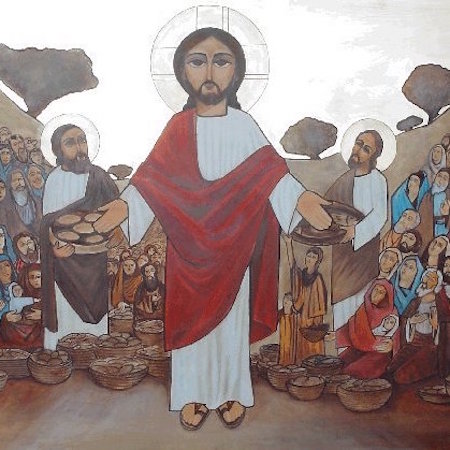
Our lives are gift: a gift from abundance, a gift to be shared, a gift given for the life of the world, a gift we can give away because we are confident that the eternal source of life, the God who promises healing and freedom, will always replenish us.
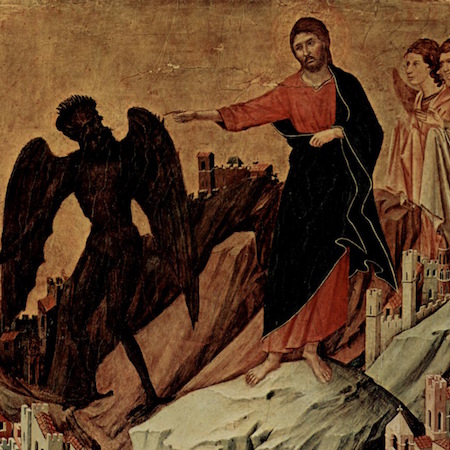
Whether we think of the devil as a personal being or as a metaphor, our call to put our trust in Jesus to strengthen our resistance to the temptation of expedient short-cuts is the same.
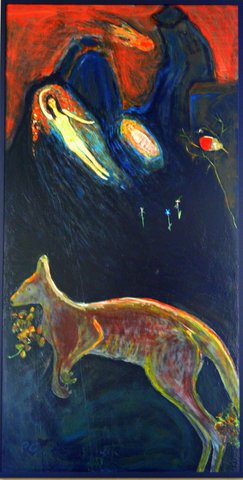
We grow into the likeness of Christ as we model ourselves on him, and he is a model of growth rather than a model of static perfection.