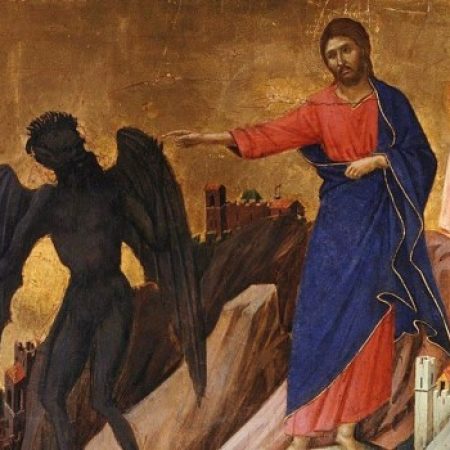
Jesus resisted the temptation to force his will on the world, and he pioneered a pathway for us to similarly refuse the exploitation of power.

Jesus resisted the temptation to force his will on the world, and he pioneered a pathway for us to similarly refuse the exploitation of power.
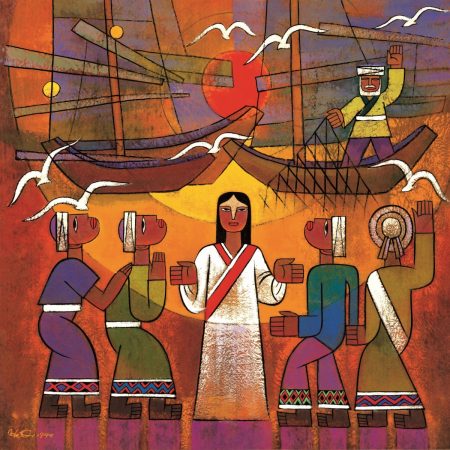
The culture of God is emerging in our present world, confronting us with a choice – do we cling to our allegiance to the cultures that have raised us or let go of them and embrace the culture of God.
God calls us to faithful expressions of the Culture of God which usually look unimpressive and unruly when judged by the world’s usual standards of success.
As we gather with the saints of all times to worship the crucified victim, we are immersed in a culture that is so at odds with the values of this world that those who truly embrace it just appear odd for now, but strangely and alluringly familiar too.
We are invited to work towards visions of God’s reign, knowing we will never be entirely successful, but sustained by imagining the possibilities.
The Ten Commandments are not about creating a system of law and punishment. They are a window into the stories and the lifestyle of the culture of God.
Extravagant expressions of love are a sign of the culture of God, and Jesus models generous giving and receiving of them, regardless of the scandal they cause.
A sermon on 1 Corinthians 7: 29-31 by Michael Hardin Tonight we were again blessed to have as our guest preacher, Michael Hardin of Preaching Peace, visiting from the USA. There is no manuscript for the sermon, but you can listen to it here.
We have to choose between being squeezed into the world’s mould or re-moulded from within by God.
The good news of the Kingdom always seems disreputable and dangerous and unwelcome, and it asks of us a whole new way of being God’s gracious people in a world of hatred and violence.
We are called to privilege the God of love and liberation over the economic realities of dog-eat-dog capitalism, and prevent that ‘reality’ colonising the truth of love with its divide-and-conquer business plan.
Our allegiance to Christ and our citizenship of his Realm take priority over those to our local culture, but that doesn’t rule out a continuing love of our homeland and tribe.
God’s love for us is so great that God will do anything to give us a way out of the self-condemnation and self-destruction of continuing to live in conformity with the world’s ways.
The incoming Kingdom of God often challenges conventional social norms to such an extent that it is perceived as anarchic or even evil.
The kingdom of God is celebrating our life together now and our shared hopes and dreams of a world where all might eat and drink, and we are called to do what we can to bring this world about.
One of the most controversial aspects of Jesus’ message was that it moved all the fences. Jesus redrew the boundaries of the Kingdom of God to include very definitely those who previously had been excluded. He blew away the social and geographical limitations imposed by the pious Pharisees & other religious leaders. According to Jesus, God’s kingdom knew nothing of the political, social or religious boundaries placed on it by these groups.
The Kingdom of God grows like a weed – seemingly insignificant and unwanted – but it ends up with a place of refuge for everyone.
God’s new culture of forgiveness is entered by faith, and sometimes it is even vicarious faith.
In Advent, we wait to discern more carefully the One for whom we wait, and the One who waits for us.
God has given us a new identity and a new allegiance in his kingdom, and our loyalty is now to truth and compassion regardless of their consequences for the interests of any other communities or kingdoms.