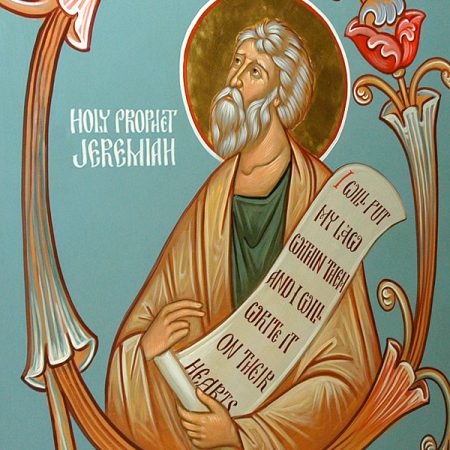
There are plenty of reasons to despair of the future, but Jeremiah and Jesus show us a pathway of hope that overcomes despair.

There are plenty of reasons to despair of the future, but Jeremiah and Jesus show us a pathway of hope that overcomes despair.

Facing an epidemic of depression and despair, Jesus calls us to follow on a tear-stained path of prophetic faithfulness.
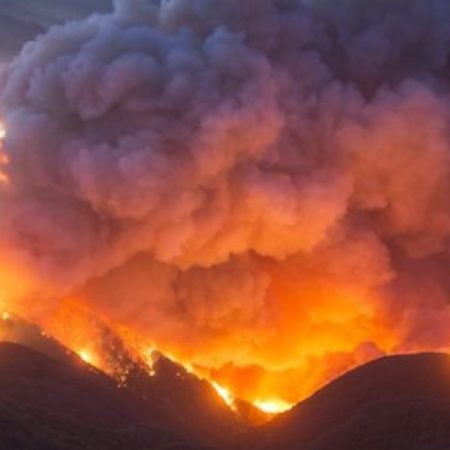
The threat of extreme climate change can only be averted with a major spiritual transformation, and Jesus shows the way.

The instinct to call down fire on those we perceive as God’s enemies is a “fruit of the flesh” that must be supplanted by the fruits of love.

In a world that is hell-bent on self-destruction, Jesus calls us to gather to him and to love faithfully and vulnerably with him, rather than surrendering to the hate and fear.
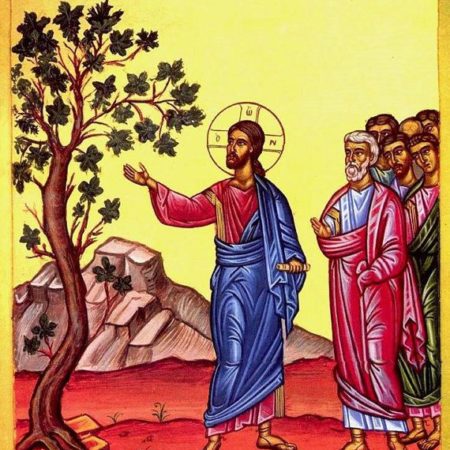
The coming of Christ to transform the present world into the Kingdom of God will be earth-shattering, but we easily lose sight of it in our anticipation of “another Christmas”.

The collapse of the institutional church and other social structures will be painful for all of us, but it is not ultimately a threat to mission of Jesus.

We make a devilish mistake when we project the origins of hell onto God. Jesus calls us to follow him into a new way of life that will save us from plunging into the hells of our own making.
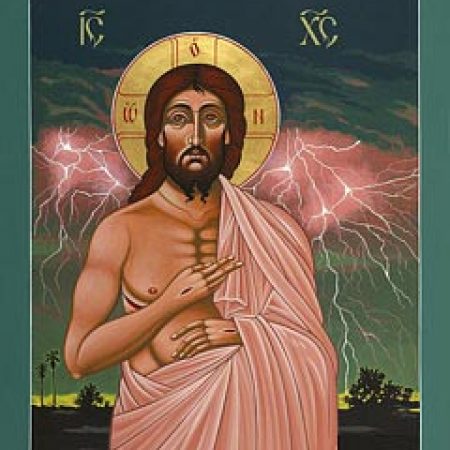
Floods of hostility and violence sweep people away, but we are called to prepare ourselves to stand firm with Jesus, and be left behind as those who will not succumb to the angry flood.

Events of global chaos probably aren’t signs of God’s next big move, but we need to take seriously the call to live faithfully and courageously in the midst of them.
In the fact of the climate apocalypse, we hold on to our hope: hoping and working for the radical, impossible change that is necessary.

Only when the world models itself on the self-sacrificial love and mercy we have seen in Jesus will it be saved from the cycles of apocalyptic violence and chaos.
Advent is preparing us for the coming of the Lord, that already and not-yet event for which people have lived and worked and prayed for millennia.
Jesus calls us to courageously follow him through a world of apparently apocalyptic violence towards the advent of hope and peace.
The “things” we so readily put our trust in, or find our identity in, will all fall, and only God’s love and care for us will remain.
Belonging to God does not exempt us from disasters that may come, although that is often what people hope and expect, but it does mean that they will not have the last word on us.
A growing incidence of cataclysmic violence is not a sign of God’s activity, but it does call us to hold on to our hope and look for God’s action in small signs of life coming from death.
The unfailing love of God is with us, even in the tragedy, confusion, and anguished questions and doubts.
God is with us to comfort and revive us in the face of horror, but also to challenge us to turn things around.
Amidst the variety of opinions about the Coming Christ, there is a real message of hope that reshapes our lives.