Nathan has been a pastor of our Church since 1994.

God calls us to beware of simple solutions that actually violate the laws of love and hospitality towards the strangers.

Nathan has been a pastor of our Church since 1994.
God calls us to beware of simple solutions that actually violate the laws of love and hospitality towards the strangers.
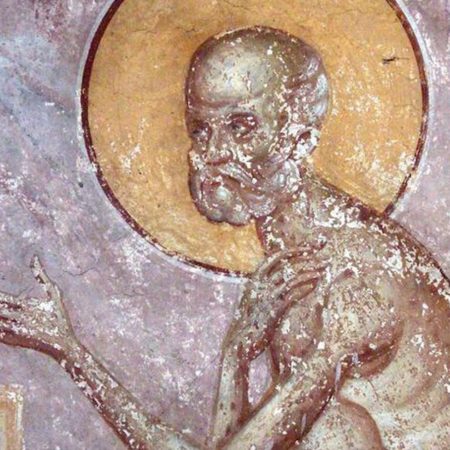
After horrendous suffering and loss, the most courageous and ultimately transformative response is to reinvest in life and love with passion and hope.

Faithful lament, even enraged and despairing lament, takes us close to the heart of God, though we usually can’t perceive God when we are there.
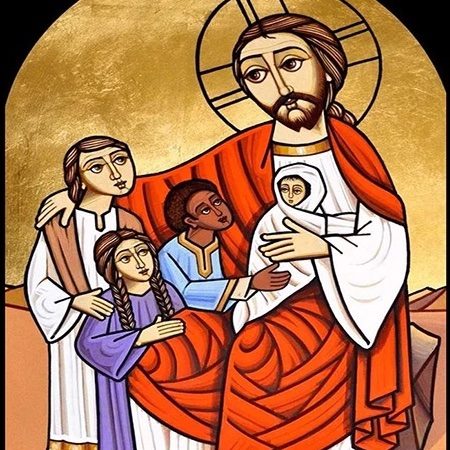
The Kingdom of God can only be accepted the way a child welcomes a hug, not the way lawyers accept a divorce settlement.

Jesus offers life in all its fullness, but many would rather settle for the odd snack rather than the full banquet.

Paul’s word play on drunkenness is both a useful contrast and a useful comparison for Christian living.

We live in amidst a culture of highly toxic, self-righteous, finger-pointing. Jesus calls us to a radical love which will stop the blame game but still speak transforming truth to those who oppress.

There will always be people in the church you find difficult to get on with, and it is their presence that will really enable you to grow in your ability to love.

The indiscriminate ways Jesus shared and spoke about food broke the rules of his society and the rules of many churches down to this day.
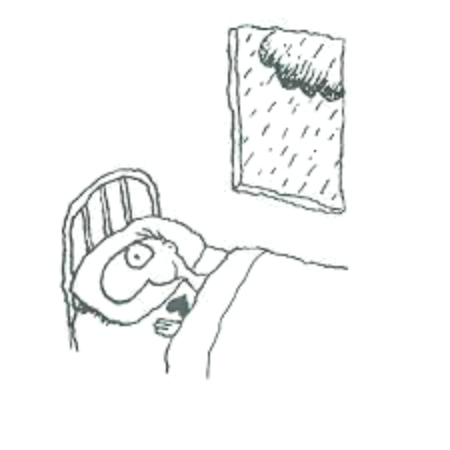
The experience of winter is God’s gift, inviting us to silence, healing and new depth of life.
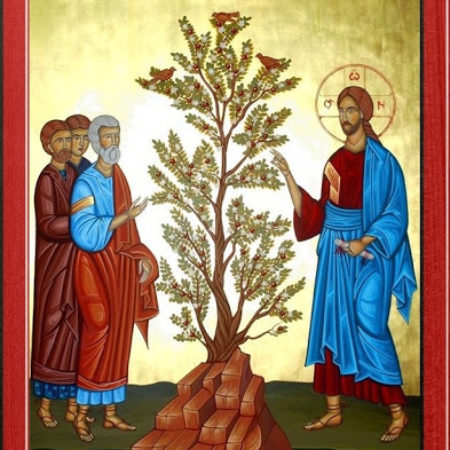
The culture of God rises in defiance of the empires of this world, but it will look more like an annoying outbreak of self-sown, invasive weeds than an alternative empire.
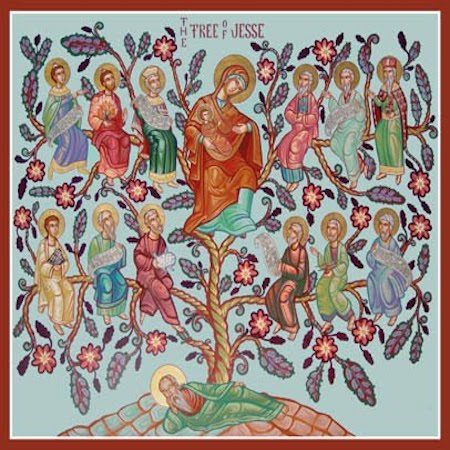
Jesus’s radical call to align ourselves with his new family trumps even our allegiances to our blood families, and asks us to shape our relationships in the church around a shared commitment to living out the will of God.

The recognition that in Jesus we see the exact likeness of the Father rescues us from fear and slavery and invites us to live as the beloved children of God.

If we surrender ourselves to the Holy Spirit, we lose some of our inhibitions about social conformity and are liberated to break down the boundaries that keep people apart.
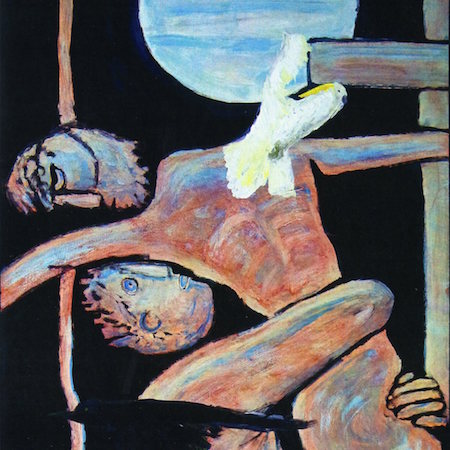
If we want to understand how Jesus saves us and what Jesus saves us from, we are going to have to abandon the most widely taught explanation.
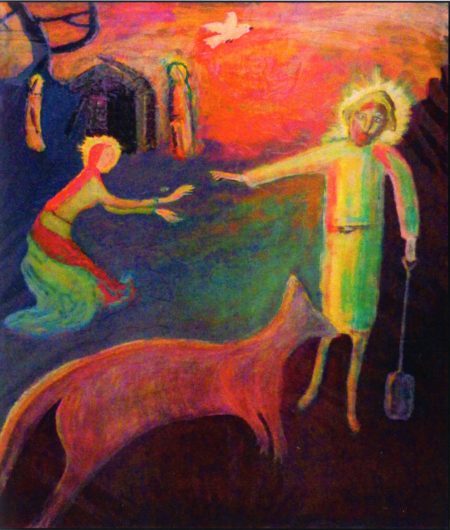
We mostly don’t see ourselves as either terrible sinners or as gloriously Christ-like, but in the resurrection we are called to fully imagine both as world-changing truths.
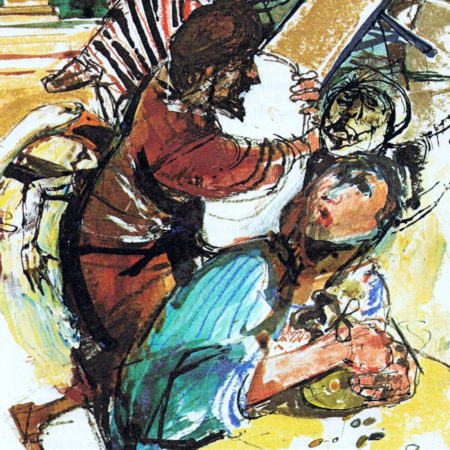
In determining our church’s way forward, we need to discern who we exist to serve, and it shouldn’t just be ourselves.

God will walk with us in suffering and work redemptively within it, but God is not powerful enough to just remove it.

Science, theology and reason can often lead to a sound set of ethical behavioural conclusions which then need to be set aside because, in reality, love demands something else.

Although we can’t prove that our faith isn’t another crackpot fraud, we can provide evidence by living lives of love, hope and hospitality.