Nathan has been a pastor of our Church since 1994.
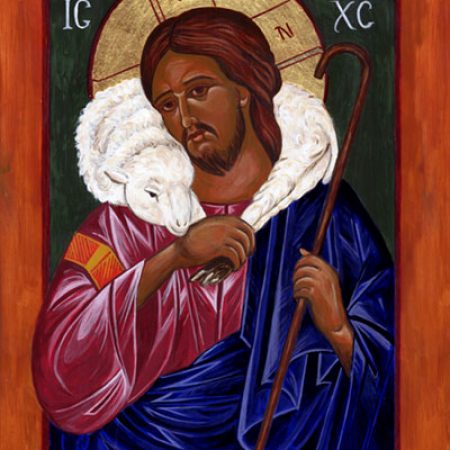
In his own demonstration of self-sacrificial love, Jesus has shown us what God is like and called us to love God and one another by loving likewise.

Nathan has been a pastor of our Church since 1994.
In his own demonstration of self-sacrificial love, Jesus has shown us what God is like and called us to love God and one another by loving likewise.
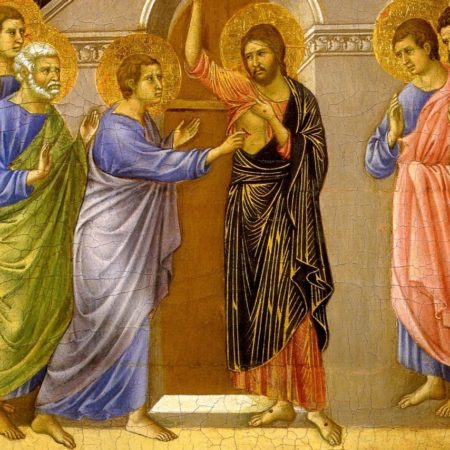
By lifting us out our enthralment to evil and death, Jesus sets us free from all that corrupts us and opens us to share real life with him.
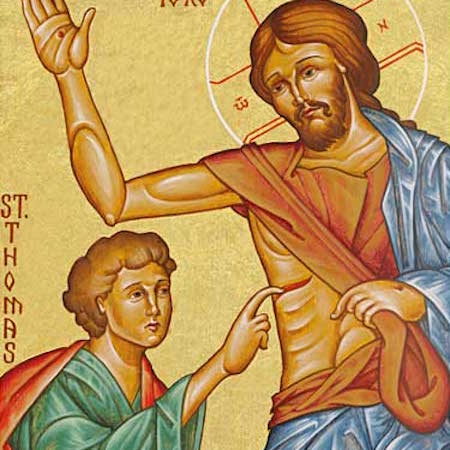
When we expected to be shamed as we have shamed others, we are shocked and saved by the unexpected mercy of the crucified and risen Jesus.
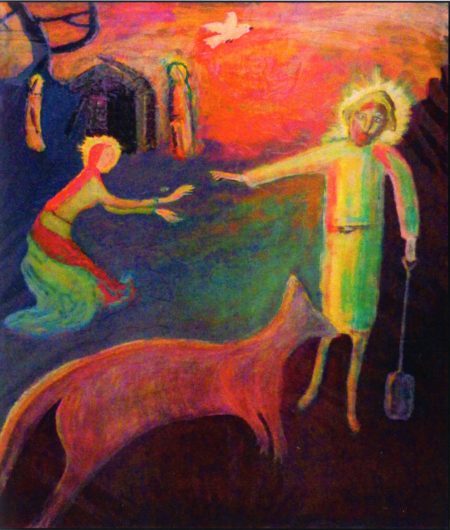
There is no neat finish to the Jesus story, because it is far from over. The risen Jesus is always ahead of us, calling us to follow and live the next chapter.

The life that Jesus calls us too will not be found and enjoyed until we give up trying to engineer the life we dreamed we were supposed to be living.
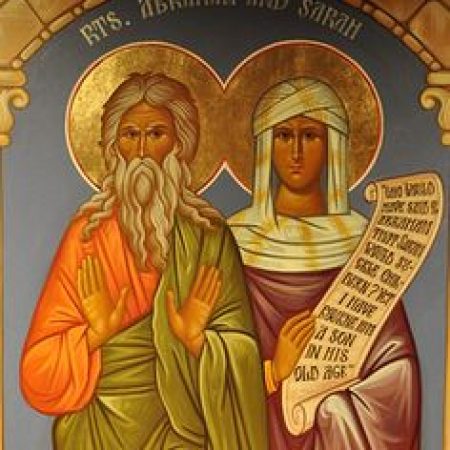
God has promised the whole world to all God’s children, but not exclusive rights to some bits of it to some people.
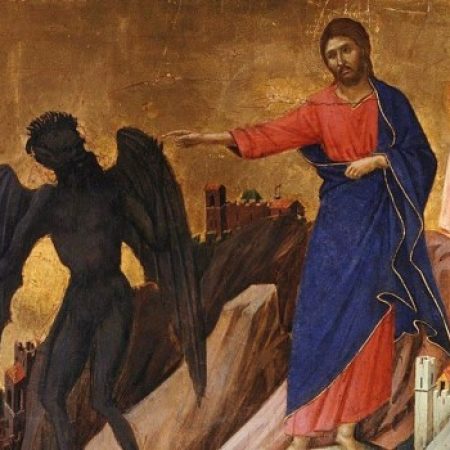
Jesus resisted the temptation to force his will on the world, and he pioneered a pathway for us to similarly refuse the exploitation of power.

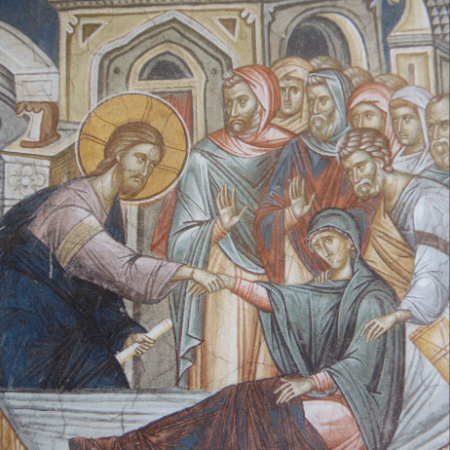
When Jesus heals, he is not seeking to minister solely to the individual, but to heal a sick culture, and the culture we live in needs his healing.
Jesus demonstrates the need to reflect on our results and reject the easy success and popularity that are built on meeting basic needs.
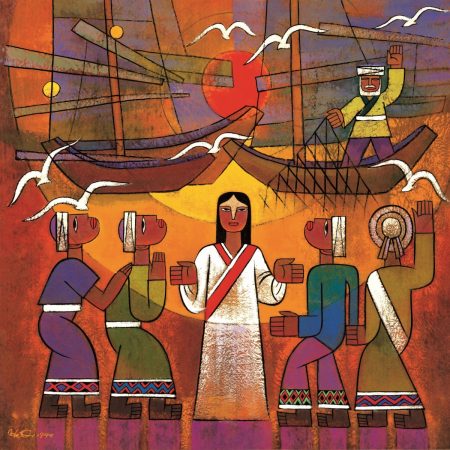
The culture of God is emerging in our present world, confronting us with a choice – do we cling to our allegiance to the cultures that have raised us or let go of them and embrace the culture of God.
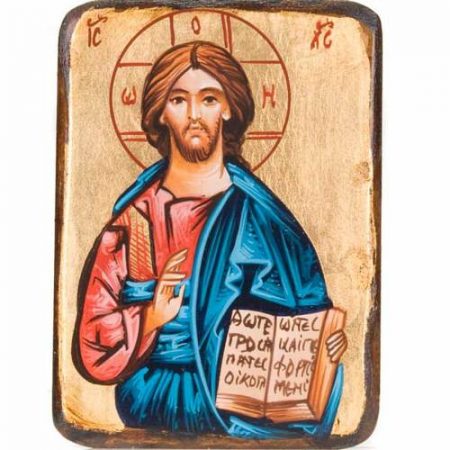
Our freedom in Christ renders the law irrelevant as a factor in our relationship with God, but we are set free to grow into union with Christ, not to fall into new slaveries.
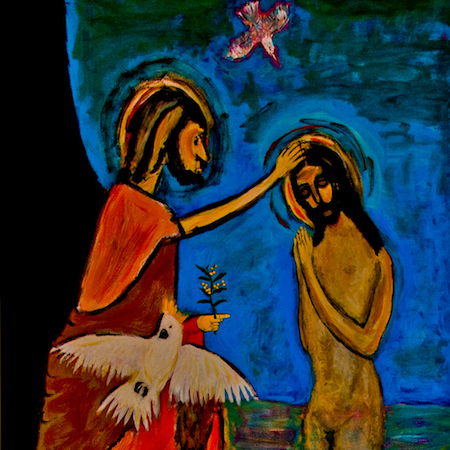
Our longing for God is met in the Holy Spirit who opens heaven to us and makes all things new.
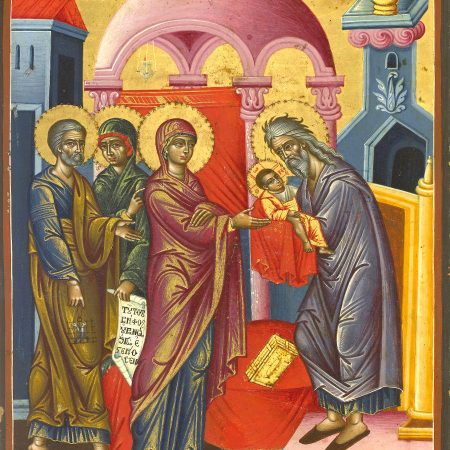
Jesus was born to reveal and fulfil what God had long sought to do; set people free to live joyously as God’s children.
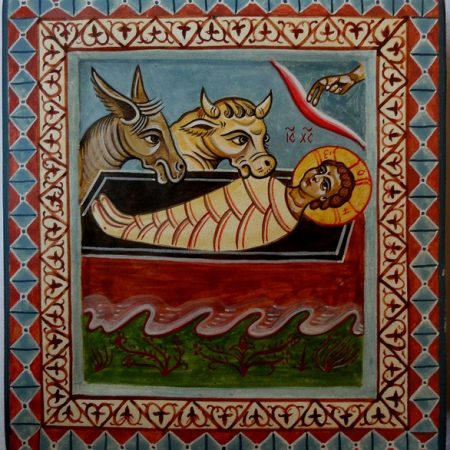
The nativity story proclaims the basic themes of the gospel message; God enters into our suffering world as a victim of our violence, and is rejected by most but recognised by the nobodies.
As God’s people, we celebrate life in the face of death, because we know that the victory of life has been secured.
For both God and us, time can drag when waiting for change, but patience is salvation when forgiveness is offered as a means of change rather than as a reward for change.
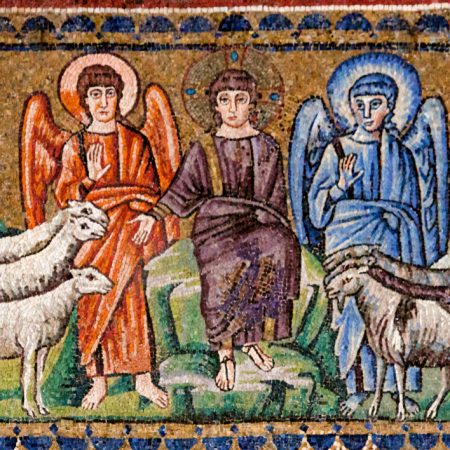
God has created a world that becomes healthy, free and full of life when its nations honour and care for the most vulnerable. Nations that fail to build cultures of compassion and care are doomed to destroy themselves.
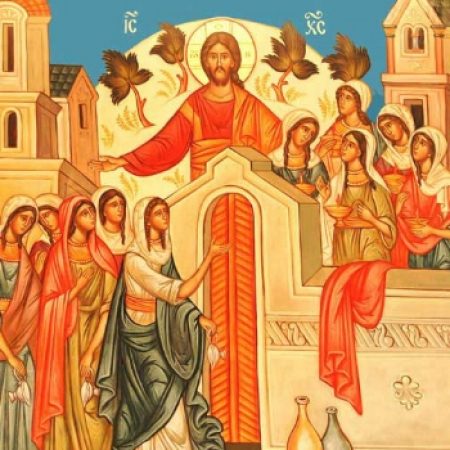
While we are called to be a sharing community and thus to have no need of worry for tomorrow, you can’t look to others to provide you with the fruits of a life lived in generosity and prayerfulness.

Jesus’s quest for reconciliation is far wider and more discomfortingly radical than our tendency to jump on the bandwagon of popular justice causes.

Today, as in Jesus’s day, two fundamentally different visions of God and God’s expectations compete. Jesus calls us to side with the one that centres on love rather than the one that centres on concerns for holiness.