Nathan has been a pastor of our Church since 1994.
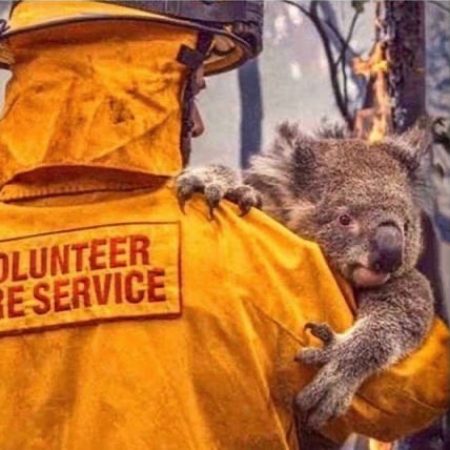
In the face of monumental devastation and suffering, God speaks a word, and the word becomes flesh.

Nathan has been a pastor of our Church since 1994.
In the face of monumental devastation and suffering, God speaks a word, and the word becomes flesh.

When God is moving to do something new among us, it almost always seems scandalous, immoral and offensive to many, and is just as likely to involve those who are regarded as morally suspect.
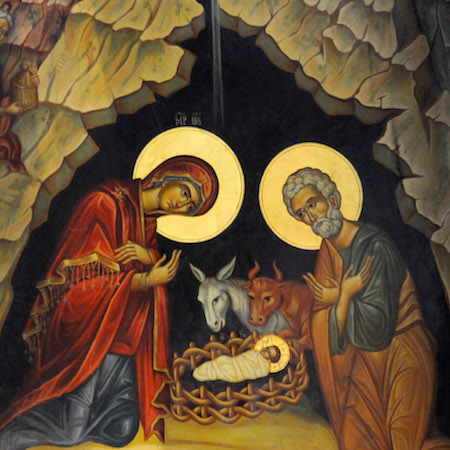
The Christmas stories assure us that Jesus is the one who brings light into our darkness.

Faithful waiting for for the fulfilment of God’s promises can leave us feeling compromised and alienated in the world around us.
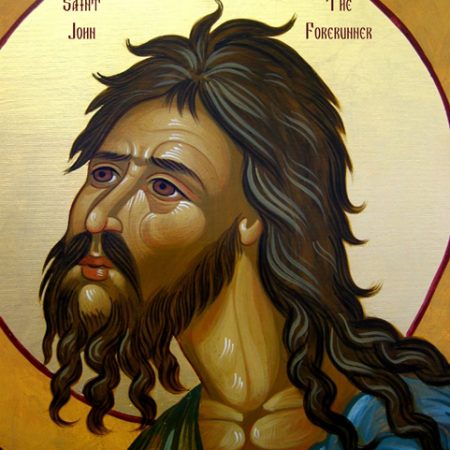
The coming kingdom culture confronts the world’s violence by redemptively suffering and absorbing it, not by reciprocating it with even greater violence.
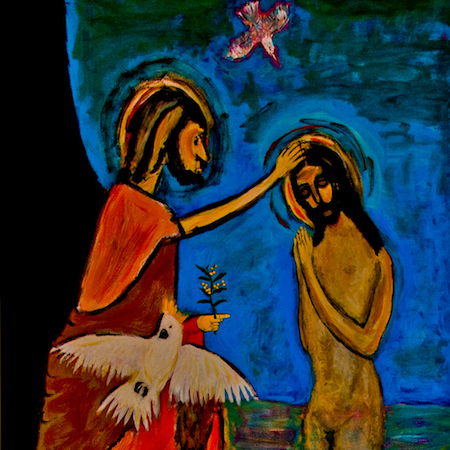
The imminent arrival of God’s messiah asks each of us to take up the identity of witnesses who open the way for God to be known.
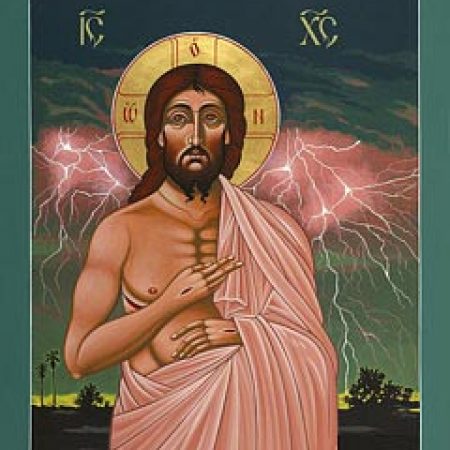
We can face the unknown future with confidence because we know that the one who holds the future loves us and can be trusted.
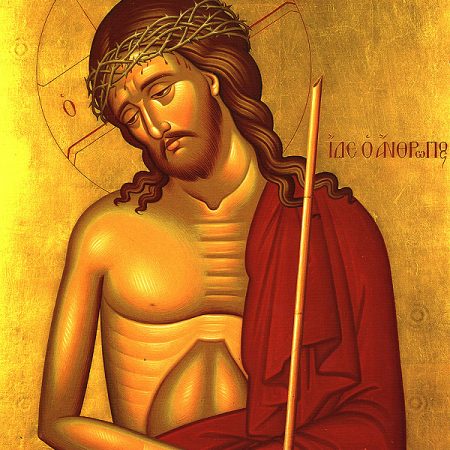
The culture of God’s beloved Son is born at the cross and takes root amidst a hostile world, spreading forgiveness and hospitality.

Global chaos marked by war, terror and injustice is growing inevitably, and as followers of Jesus we stand in witness against it, knowing that God is with us to the end.

The biblical pictures of marriage reflect our struggle to live our way into the vulnerable intimacy and relational fruitfulness that God wants for us and with us.
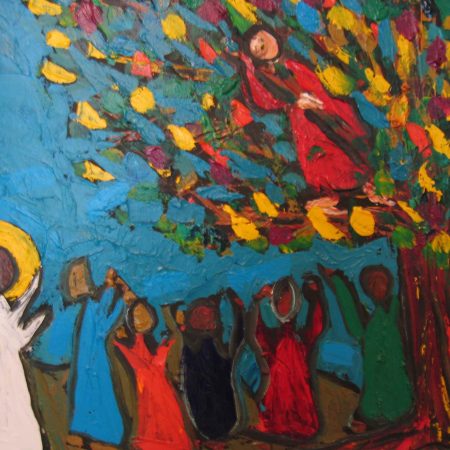
Christ’s gratuitous forgiveness and acceptance always manage to scandalise us, but it is our willingness to embrace them that saves us.
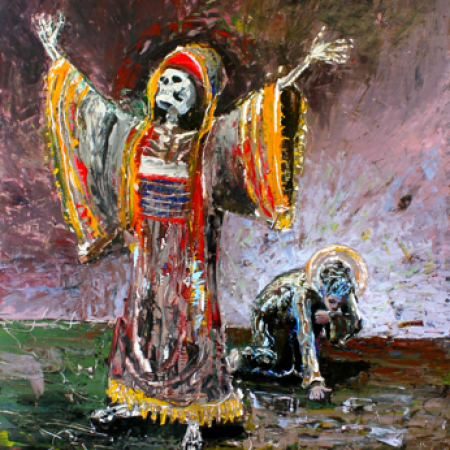
God delights to welcome everyone, and is not interested in who is better or worse, but we imagine God to be an elitist who mirrors our tendency to pick and choose and only accept the best.
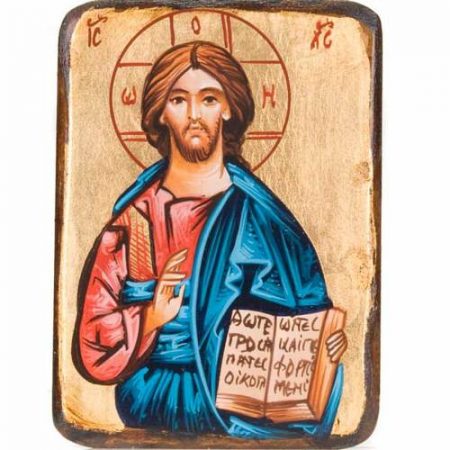
Reading scripture with God’s people keeps us honest as we seek to interpret and live by God’s law written on our hearts.
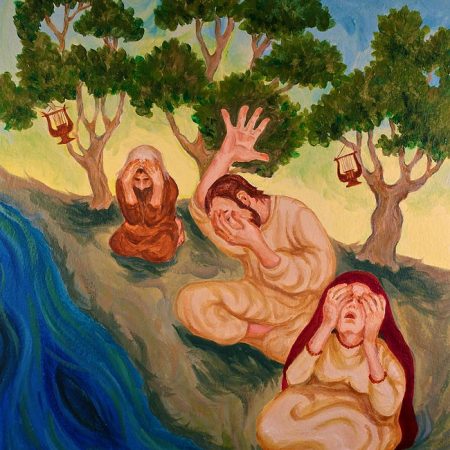
When God calls us to invest in the places we live, it is a call to active agents of positive change, not compliant patriots.
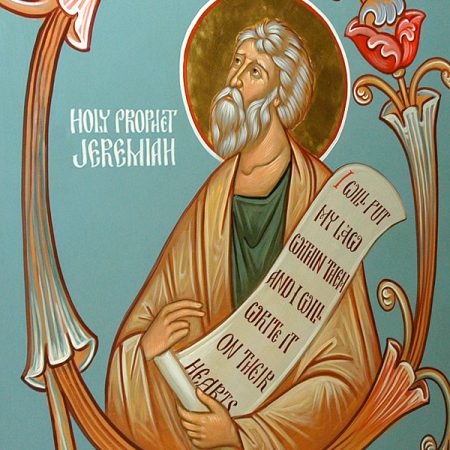
There are plenty of reasons to despair of the future, but Jeremiah and Jesus show us a pathway of hope that overcomes despair.

Facing an epidemic of depression and despair, Jesus calls us to follow on a tear-stained path of prophetic faithfulness.
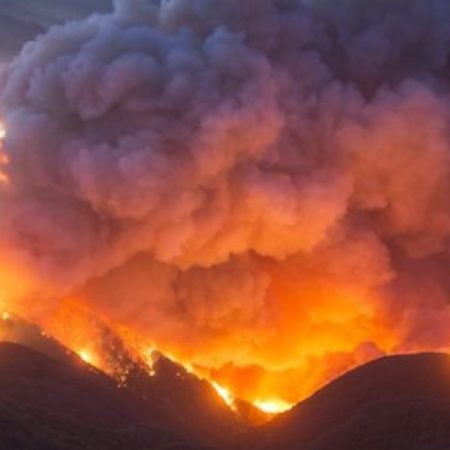
The threat of extreme climate change can only be averted with a major spiritual transformation, and Jesus shows the way.
Faithfulness to God means sticking to the ways in which Jesus has led us, but we are constantly tempted to idolise his name while avoiding his ways.
Lived faith is the way to life in God, but it passes through a baptism of fire.

The instinct to call down fire on those we perceive as God’s enemies is a “fruit of the flesh” that must be supplanted by the fruits of love.