Nathan has been a pastor of our Church since 1994.
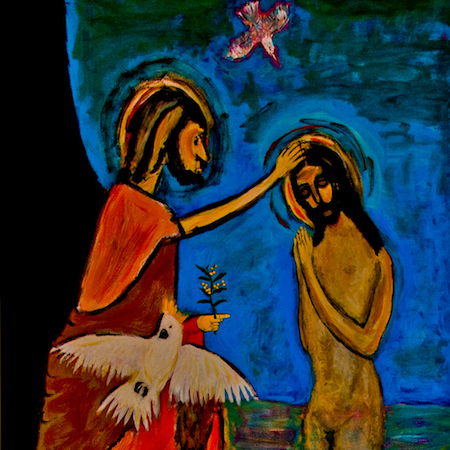
In baptism we are anointed to reign with Christ over a new creation, but it is a reign of suffering servanthood, not of reckless force.

Nathan has been a pastor of our Church since 1994.
In baptism we are anointed to reign with Christ over a new creation, but it is a reign of suffering servanthood, not of reckless force.
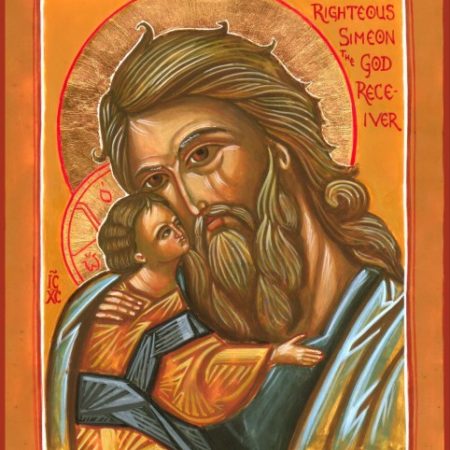
The child of God became a human, so that humans could become children of God.

God’s coming does not reinforce our social norms and hierarchies, but breaches them to reconcile and re-dignify those who the social order has sacrificed and cast aside.

Jesus calls us to resist the satanic desire to credit violence and disaster with meaning, and instead to acknowledge meaning and truth only in God’s suffering love and mercy.
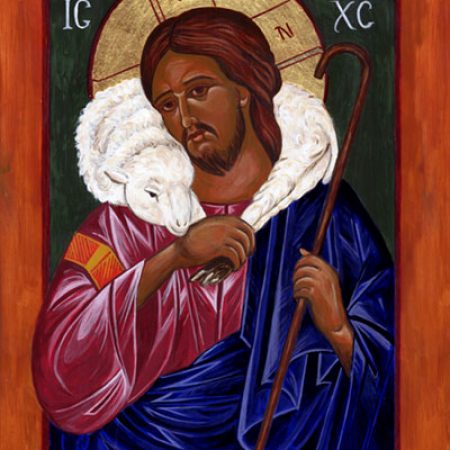
In a world dominated by arrogant and exploitative leaders, Jesus models a gentle shepherding leadership that prioritises the reintegration of the broken over the drive for “success” and “efficiency”.
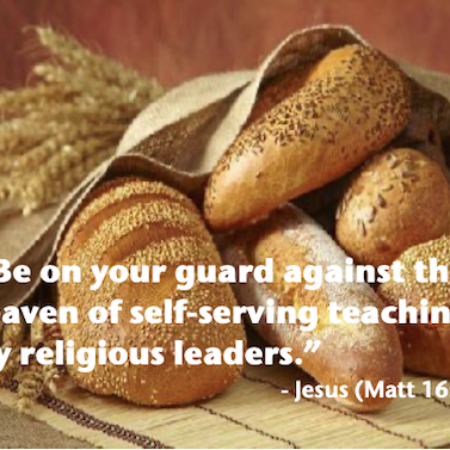
Self-interested leaders will frequently manufacture frightening images of an angry dangerous God to silence opposition and maintain their grip on power, but Jesus opens our eyes to these abuses and to the reality of a God of incorruptible love.

We are often afraid to face what must be faced in order to enter the new world God has promised, but God continues to promise an abundance of blessings when we overcome our fears and obey.

All creation waits impatiently for humanity to work and pray its way into the fullness of our identity in Christ, for only then will all creation be safe and free.

The stories of Moses, Elijah and Jesus on various mountain tops reveals a process of God’s self-revelation as the one who loves us and suffers for us.
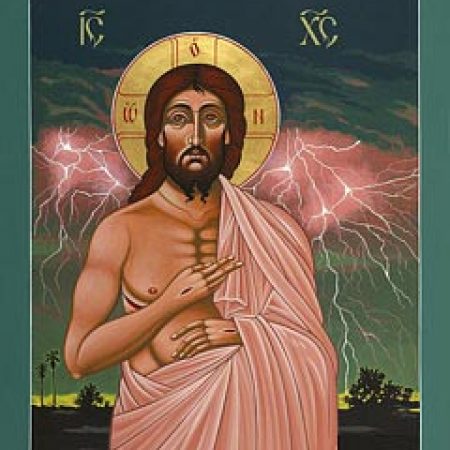
The abusive use of anger to manipulate other people’s behaviour is, Jesus says, on the same spectrum as physical violence, and Jesus calls this preacher to repent of it.

El Espíritu de Jesús nos une a través de límites previamente hostiles y nos enseña un lenguaje de amor liberador.
(The Spirit of Jesus unites us across previously hostile boundaries and teaches us a language of liberating love.)
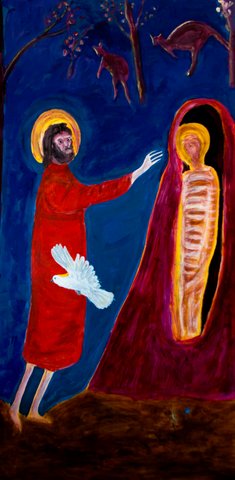
Jesus leads the way towards a new experience of life that is so utterly alive that death is powerless to threaten, limit or constrain it.

The COVID-19 scare can reinforce our Lenten call to prepare our hearts by facing up to our mortality and the real limits of our control over the world.

The forgiveness encountered in Jesus is extravagant and all-inclusive, but those who determinedly reject and demonise the Spirit’s winds of change can cut off their own access to it.

The gift of tongues can be a valuable part of our private spirituality, but the needs of public worship require something more than the private intimacies of our spirituality.

Our generation is very good at identifying evils and calling them out, but if our hearts are not occupied by God’s love and mercy, the results can be disastrous.

Jesus calls us to unite as his body around his table, and if we come to the table without seeking that unity, we dishonour Jesus.

Jesus calls us to follow his lead in bringing healing, hope and positive leadership to others, and not to be too worried about anxious and vexatious criticism.

Jesus calls us to neither conservatism nor iconoclasm, but to a faithful reckoning with the gifts and the sins of the past as we welcome and adapt to the new.

Godly love and respect doesn’t prevent disagreements in the church community, but it should enable us to address them without having to call in the lawyers.