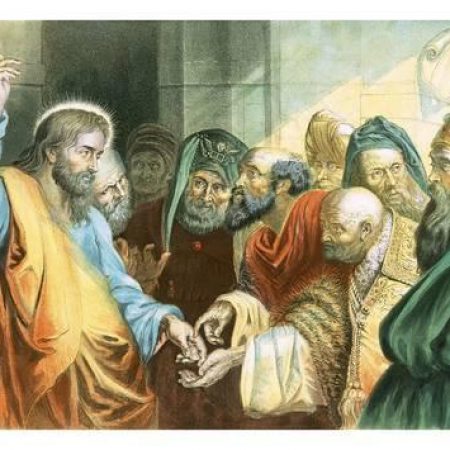
Modelling ourselves on those who model themselves on Jesus is a healthy pathway to fulfilling the image of God within us.

Modelling ourselves on those who model themselves on Jesus is a healthy pathway to fulfilling the image of God within us.
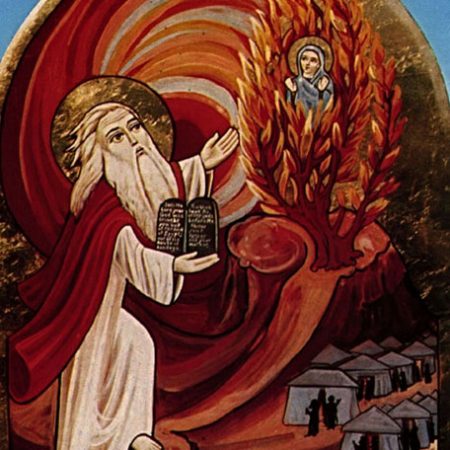
When we use the biblical law to reinforce a worldview of sin and punishment, we doom ourselves to live in a judgemental world, a world from which Jesus offers to break us free.
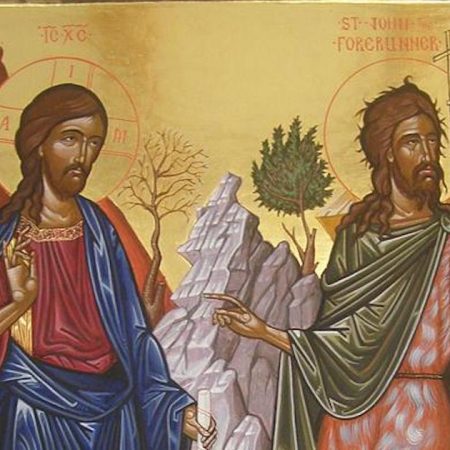
The marriage equality debate raises questions about authority, but prophetic authority is not proved by fidelity to past rules, but by its power to produce a harvest of new life and love among the people.

When Jesus exposes our aversion to having others recognised as our equals, he calls us to repent and celebrate God’s generosity to all. The marriage equality debate exposes another frontier of his challenge to us.
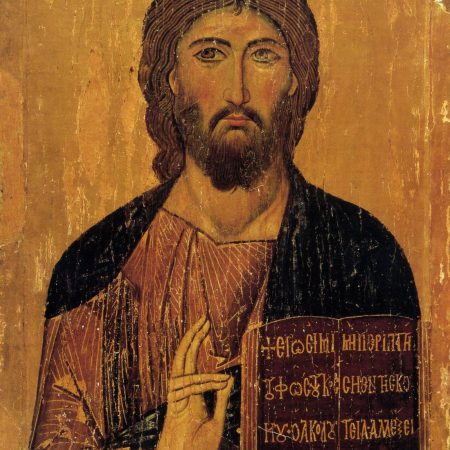
Law typically serves to contain the expression of human desire within safe bounds, but Jesus calls us to follow him in fulfilling the law through radical love and mercy that always seeks reconciliation.

Christians are to be known for what they celebrate and affirm and encourage rather than what they are against.
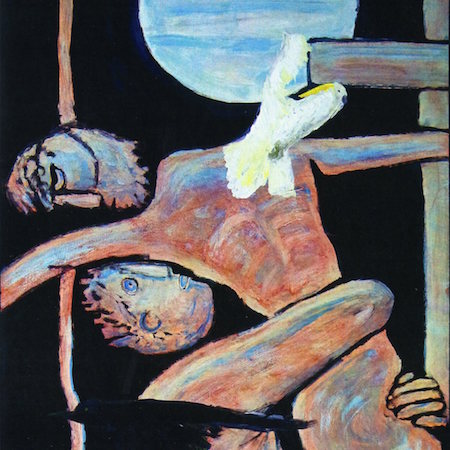
Recognising what sort of sacrifices we are called to make and what sort of sacrifices we are called to refrain from making is crucial to faithfully following the way of Jesus.

Even for Jesus, and certainly for us, there is sometimes the need to be jolted into the reality of what God’s new revelation of grace is all about.
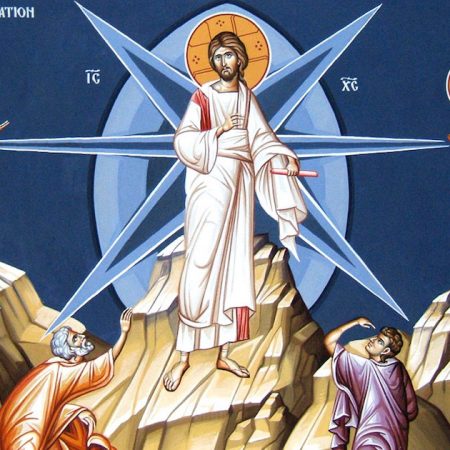
Jesus went up the mountain and was transfigured, and we assume that it was a wonderful experience. And so it was, but maybe not in the way we think. What if the glory of God revealed in the face of Jesus at that moment was the face of utter human vulnerability?
The parable of the sower is not about us and our shortfalls but on the generosity of our Maker – the Prolific Sower.
My journey has brought me to a place where I have begun to know the rest that Jesus offers.

In a world infested by terror and fear, Jesus tells us that becoming the victims of that world is not nearly as dangerous as becoming part of it.
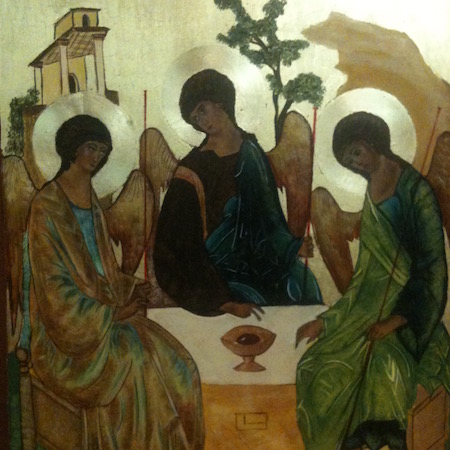
Baptism is to the Christian life as a wedding is to the married life – an ongoing symbol of the vowed and relational life in God.
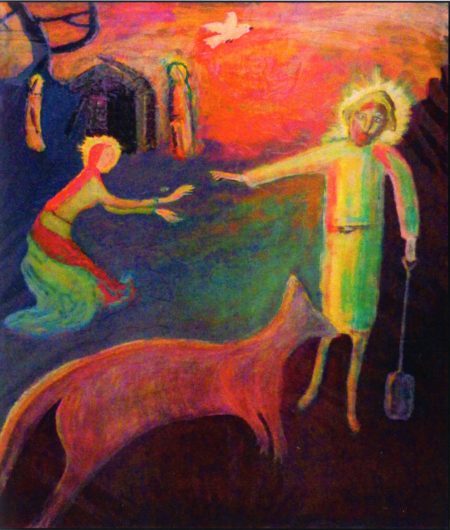
Jesus died an apparent failure, but in his resurrection, the failure’s power over us is broken for ever.

Lent is a recurring reminder of the fragility of our discipleship in the face of tempting shortcuts and instant gratifications.
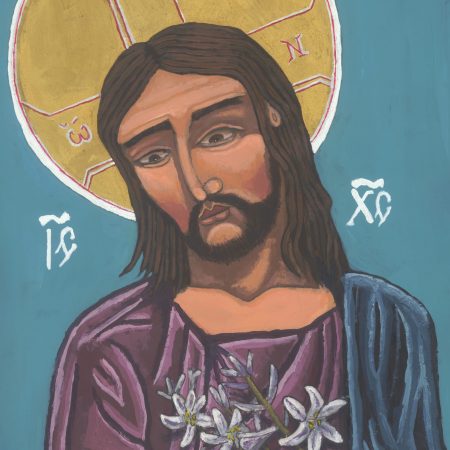
While the final judgement of each individual is rightly left to God, we are called to ensure that we are found to be loving, merciful and trustworthy by the world around us.
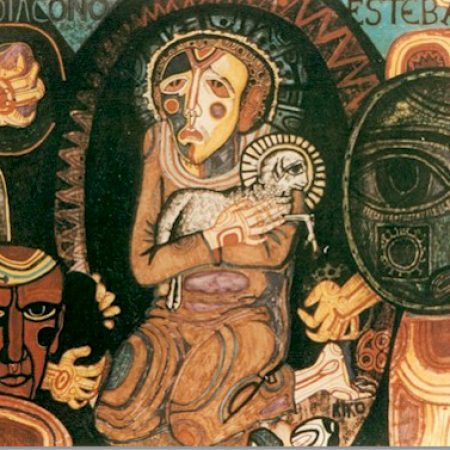
Although often dismissed as utopian nonsense, Jesus’s teachings about non-retaliation and love of enemies are the key to the salvation of the world.

We make a devilish mistake when we project the origins of hell onto God. Jesus calls us to follow him into a new way of life that will save us from plunging into the hells of our own making.
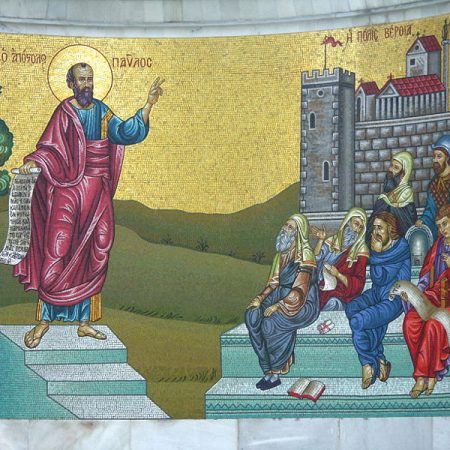
The world finds the message of Jesus almost incomprehensible because it seems too simplistic and unrealistic to be taken seriously.
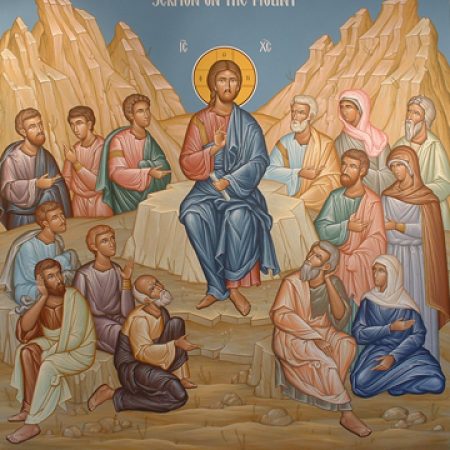
Jesus did not come to be the ultimate sacrifice that would appease God, but to show us, once and for all, that God does not want sacrifices at all, but lives of love, mercy and compassion.