
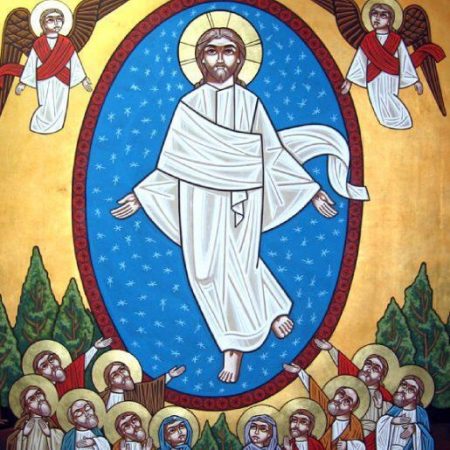
Christ is always stretching the boundaries beyond what we can comprehend, and his ascension stretches his presence to encompass even what seem to us to be his absence.

In order for men to step up and end the scourge of domestic violence, they need to experience themselves as loved and valued, liberating them to love others.
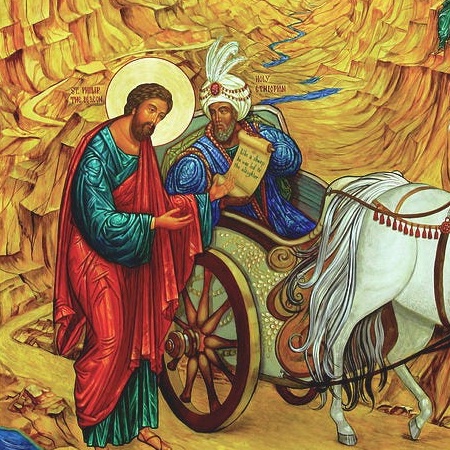
In baptism we are adopted into a new family that is radically inclusive of those who have been cut off.
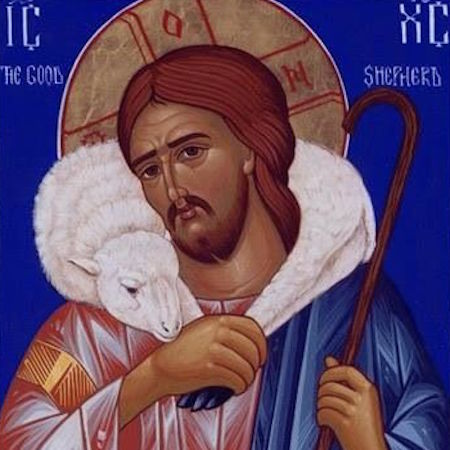
The image of Jesus as the good shepherd can speak of tough life-on-the-line love, not just cuddling lambs.

The physicality of the resurrection is a mystery that assures us that God values and honours us as whole, embodied humans, even if our bodies are damaged or worn out.

The forgiveness we experience in the risen Christ is dauntingly radical and we are called to share it.
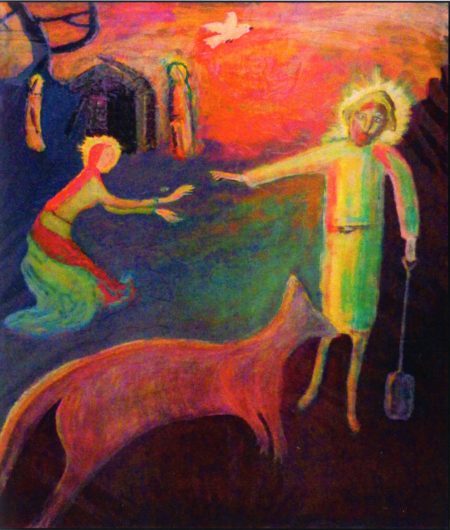
The good news of resurrection meets us in the darkest places of our lives and so is initially incomprehensible and disorienting.
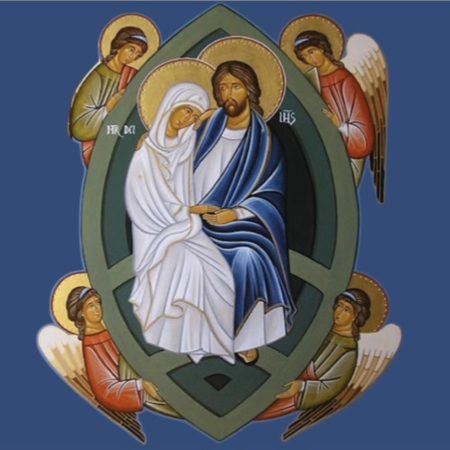
God is passionately in love with us and longing to give us every good thing if we will respond to his love.
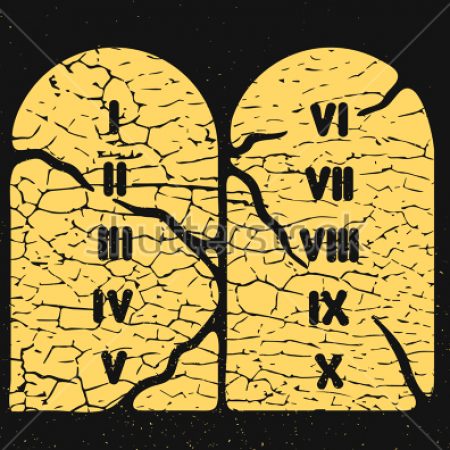
We all learn our desires from others, but most of them are destructive, and law tries to control them. The pathway to freedom and life is to follow Jesus and learn to desire as he desires.

In an increasingly polarised world, championing the radical love and mercy shown by Jesus is likely to bring hostility from all sides.

Both contemporary and ancient understandings of the rainbow sign point to God’s expansive love overcoming our fears and hostilities.
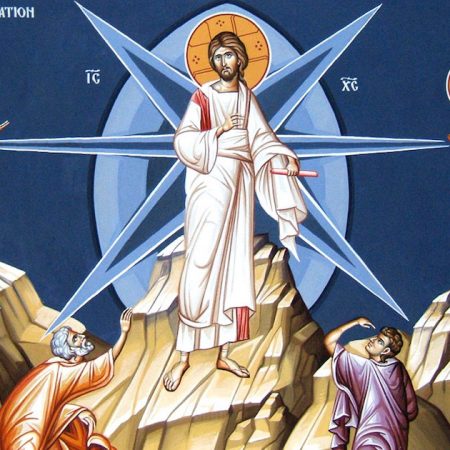
The transfiguration reminds us that in and through Jesus, the perfect Son of God and the perfect Son of Man, we each have the potential to experience and to be glimpses of God who is the true agent of change in our lives and in the world.

Following Jesus in ministering among the needs around us is not a call to do everything ourselves.
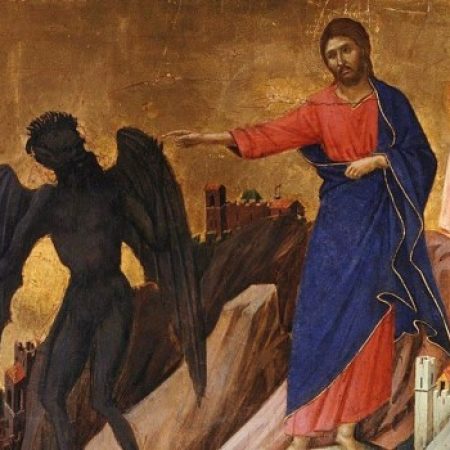
Jesus overcomes the demonic powers which colonise our religious structures and thinking and which rob us of our freedom, integrity and life.
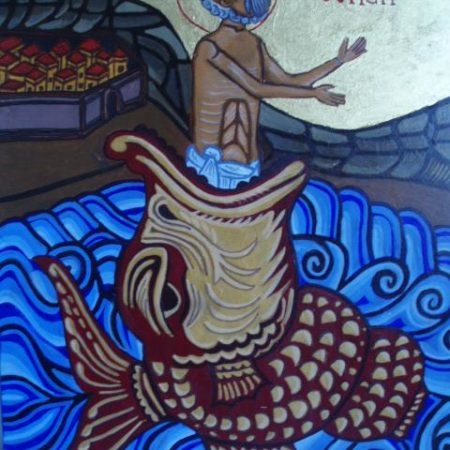
The story of Jonah challenges us whenever we start thinking that we have special rights as God’s people.
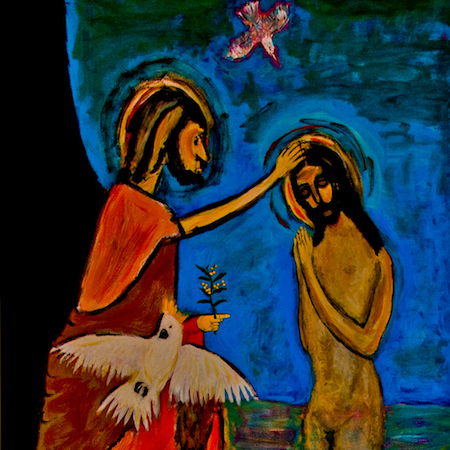
In baptism, the Holy Spirit is ordaining us (all of us) for mission.
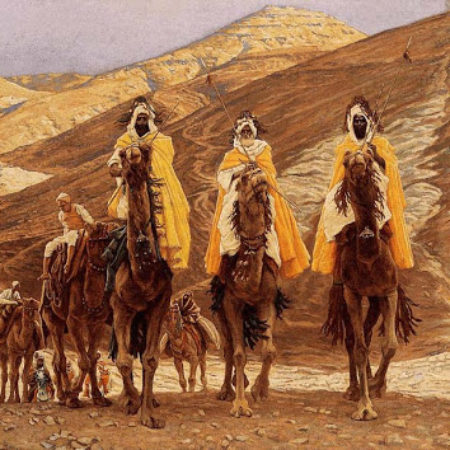
As we journey with and into God, we all prepare carefully, travel persistently, seek advice, approach the sacred with humility, and discern the way forward.
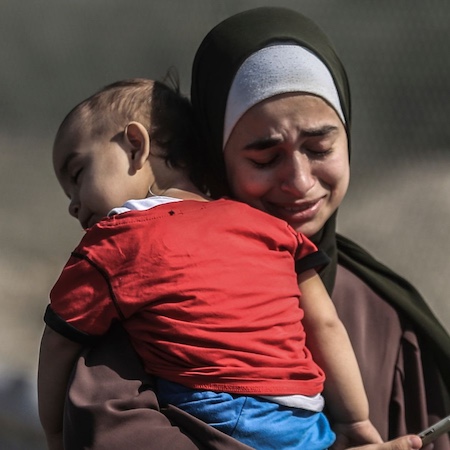
God reaches out to us through babies and elderly folks with a message of love and redemption that cuts through the theological justifications of empire and warmongering and calls us to peace.

The the birth of Jesus we see the beginning of a peace mission that is not based on force but on patience, forgiveness and presence.
Discovering who we are called to be is an ever-evolving journey as we follow Jesus in changing circumstances.