
The way to enter the life of God is found in Jesus, in relationship with the incarnate life of God.
The decision to repent and accept Christ’s gift of forgiveness and life involves a life change which includes a new willingness to honour and serve Christ in the stranger.
When hopes have been extinguished and all is despair, God comes back.
Our struggles against evil, temptation and suffering are all framed by the security of God’s unshakable love and resolve to bring us safely to fullness of life.
Being born of water and Spirit involves becoming as vulnerable and dependent on God as a newborn baby is on its parents.
We are humble servants who are strengthened and empowered by the Spirit to enter into the redeeming work of God.
The revelation of what God is on about in Christ will always upend our expectations and disrupt our lives.
In the face of monumental devastation and suffering, God speaks a word, and the word becomes flesh.
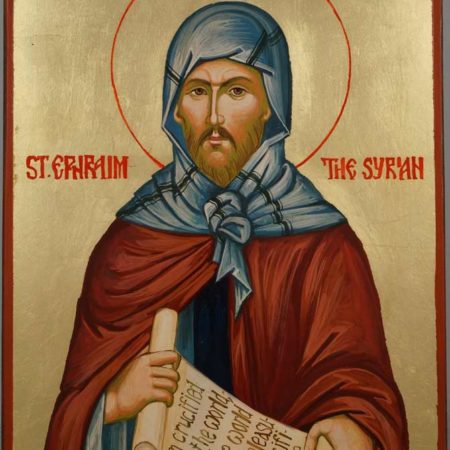
A modern paraphrase of a homily for the Feast of the Nativity by Ephraim the Syrian (306-373CE) taken from his second Christmas hymn.
The coming Christ will continually confound our expectations, no matter how well informed or righteous they may be.
In the pain of discouragement, God keeps whispering to us: I am still with you, and the future has possibilities you have not dreamed of. So take courage, keep at it, hold on, don’t give up.
When we do not live lives of gratitude, which would actually expand our sense of the world in which we live, God still does not rescind his gifts.
The Cross is the tree at which we come to know the fullness of good and evil, and as we choose to bear the consequences of good and evil, it becomes for us the tree of life.
Jesus acted out the parables that he was telling in his encounters with people, expressing the nature of God who seeks after us and rejoices in our being found and restored. God invites us to be people like that.
God is deeply hurt and offended by our rejection of God in favour of things that are worthless, but Jesus has made possible both our forgiveness and our reconciliation.
When we detach from things, God comes to fill or possess us by God’s Spirit, and suddenly the world is full of life once more.
God has given us a new identity and a new allegiance in his kingdom, and our loyalty is now to truth and compassion regardless of their consequences for the interests of any other communities or kingdoms.
The world will try to domesticate the gospel and get it to reinforce the world’s status quo and moral codes, but as people identified with Christ on the cross, we live the radical (and offensive) life of the new creation.
Christian ascetic discipline is not about earning God’s acceptance, but about banishing the demons so that we can live life more fully in the here and now.
The message of Pentecost is the message of Pascha – Christ is risen and, in him, we are liberated from our captivity to the spirits of death, fear, despair, and division, and freed to dance to the Holy Spirit’s tune.