
Whether we have been the oppressor or the oppressed or both, we all have a role in God’s work against violence and exploitation; we can all participate in God’s passion for justice.
Faith is a gift created in us as Jesus shows us that the pathway of courageous love and self-sacrifice is not impossible to walk.
While faith is a gift, blessings come to those who are prepared to wrestle with their faith.
There is nothing we can do to earn God’s presence or God’s blessing or God’s love, but when we let down our defences, when we give up striving, when we are vulnerable, then who knows what might happen?
God does not judge people’s capacity to respond and focus love and care only on the productive, but gives gifts with wanton freedom and extravagance and calls us to do the same.
Trying to establish our own righteousness burdens us with divisiveness and hostility, but Jesus offers us rest and freedom.
God and religion misunderstood can be the cause of hostility, division and violence, but the God made known to us in Jesus is a God of grace who generously gives us life, freedom and reconciliation.
Jesus calls us to give up the illusion that we own God’s blessing, invite others in, and be despised for doing so, giving up our privileges to build a world that all can share.
Understanding God as a relational trinity can guide us into the deep loving relationships with God and one another for which we were created.
We are to witness to this incredible, unbelievable, but very real truth: that in God’s reality, love crosses every divide, even the chasm of death.
We are a ragtag bunch, but in witnessing to God’s mercy and love, we become the people of God together.
Jesus is the door through which we pass to receive life – life in his name – a life of authenticity, a life of freedom, a life of purpose.
The crucified and risen Jesus teaches us to interpret the whole Bible through his eyes.
The message of Easter was that the disciples would find Jesus – not at the empty tomb – but going ahead of them into Galilee – on the mission field.
God’s refining work is done not through judgement and punishment, but through the transforming power of love.
God gives us the love we thirst for, even while we are still fighting against God, and in doing so, God sets the pattern for us to follow that will bring freedom to the world.
Jesus calls us to entrust ourselves into the care of the Spirit who will carry us into the unknown future of God.
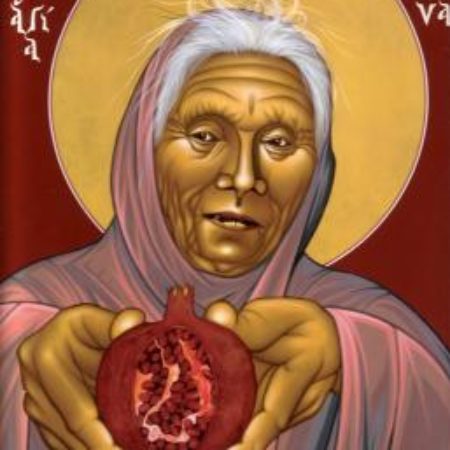
Once we recognise that all women, like all men, are made in the image of God, we catch a glimpse of God’s original vision for us, for the day when all people experience God’s radical and abundant love, and the pouring out of justice demanded by that love.
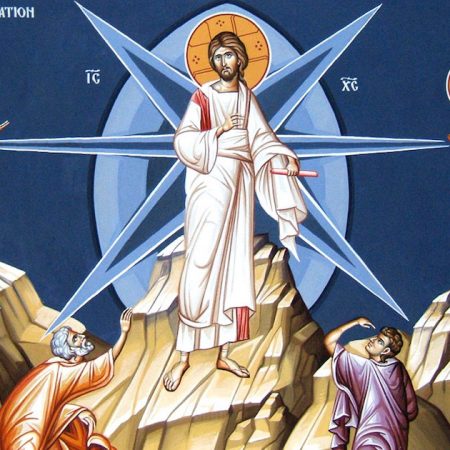
The stories of Moses, Elijah and Jesus on various mountain tops reveals a process of God’s self-revelation as the one who loves us and suffers for us.
Jesus calls us to model ourselves on him to embrace a new pattern of full humanity rather than just constrain the worst excesses of an old failed humanity.