

Journey is a powerful metaphor for the spiritual life. A spiritual journey changes us, we learn more about what life is all about and who we really are.

Lent is a recurring reminder of the fragility of our discipleship in the face of tempting shortcuts and instant gratifications.
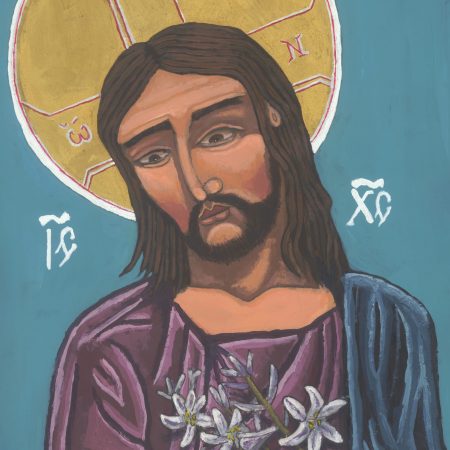
While the final judgement of each individual is rightly left to God, we are called to ensure that we are found to be loving, merciful and trustworthy by the world around us.

Although often dismissed as utopian nonsense, Jesus’s teachings about non-retaliation and love of enemies are the key to the salvation of the world.

We make a devilish mistake when we project the origins of hell onto God. Jesus calls us to follow him into a new way of life that will save us from plunging into the hells of our own making.

The world finds the message of Jesus almost incomprehensible because it seems too simplistic and unrealistic to be taken seriously.
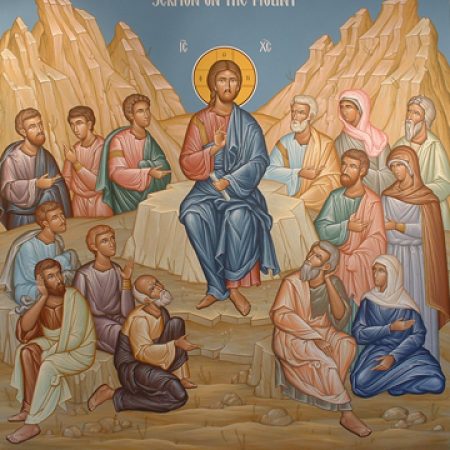
Jesus did not come to be the ultimate sacrifice that would appease God, but to show us, once and for all, that God does not want sacrifices at all, but lives of love, mercy and compassion.

“Jesus Christ the Lamb of God”: These are such familiar words. We sing them almost every Sunday – but do we really understand what they mean or have they just become another Christian cliché for us?
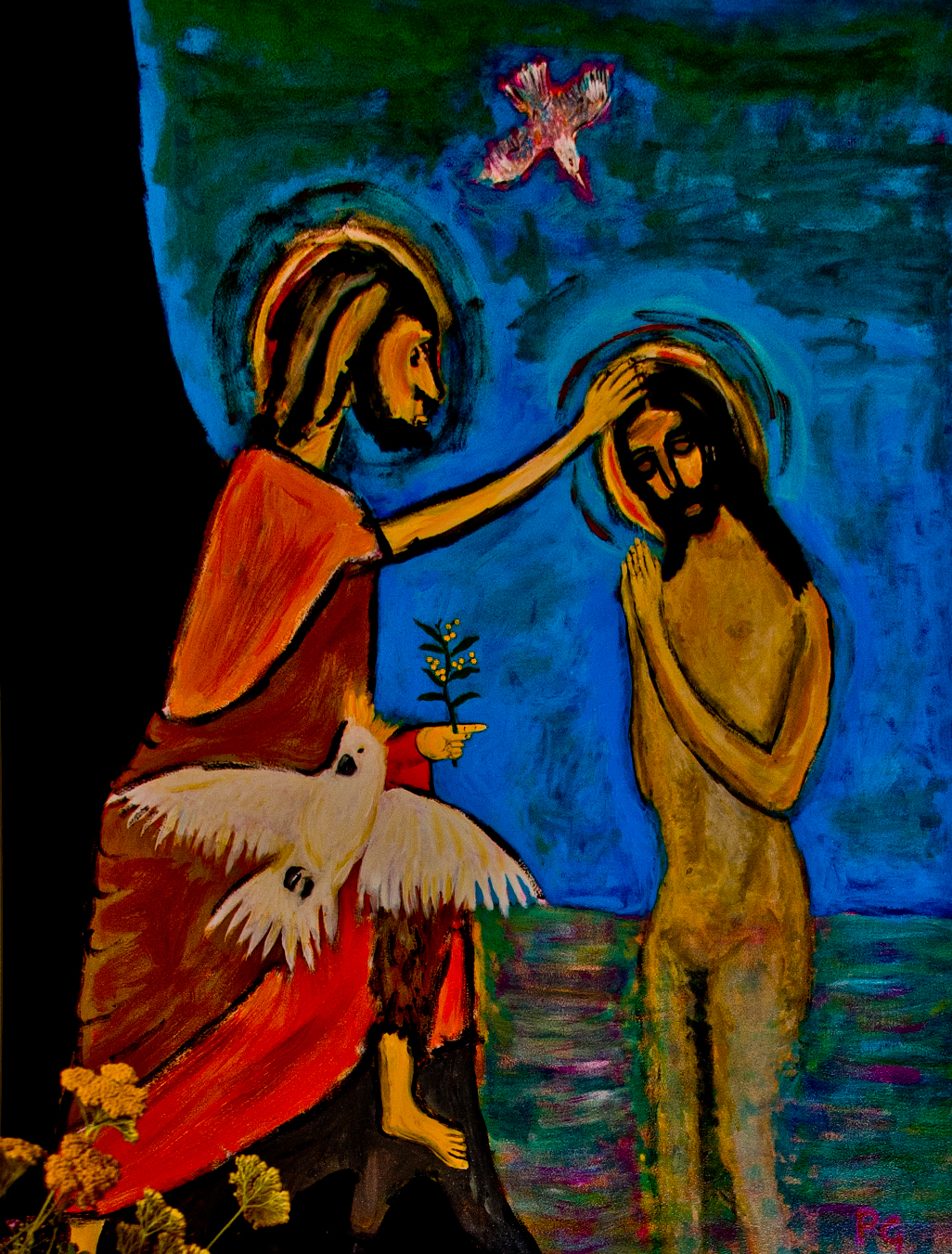
Baptism is a magnificent gift, far surpassing anything we could imagine or devise, for ultimately it is God’s chosen means of self giving to us.

In the violence and suffering that surround the Christmas story, we find the revelation of a God who does not inflict violence and suffering, but suffers violence to bring love and peace.
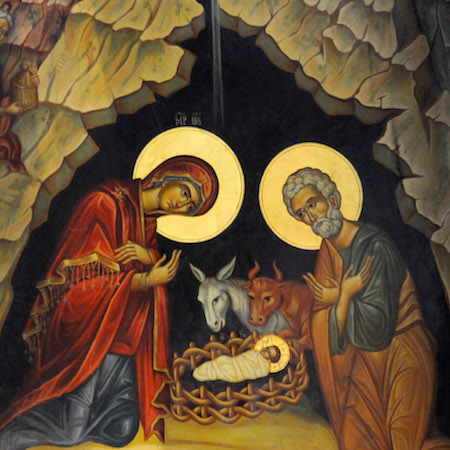
Jesus is the Word – what God has to say – who reveals true humanity and illuminates our path to becoming fully and truly human.

In Joseph we see an impressive example of someone with the integrity and courage to embrace God’s new directions despite considerable personal cost.
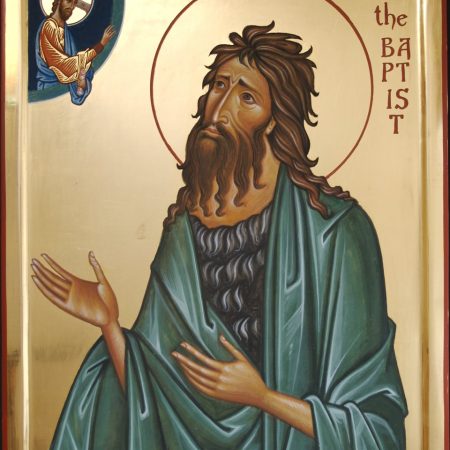
Jesus Christ is the coming one who will fulfill the hopes and yearnings of the world, but we will imperil our faith and hope if we keep trying to set the agendas for him.

God’s visions of the future are often dismissed as unrealistic because our limited vision causes us to expect only more of the same.
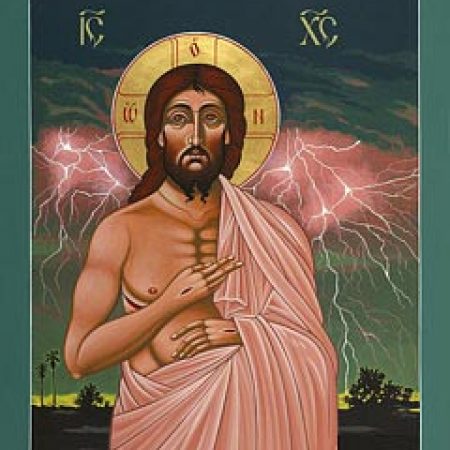
Floods of hostility and violence sweep people away, but we are called to prepare ourselves to stand firm with Jesus, and be left behind as those who will not succumb to the angry flood.

Events of global chaos probably aren’t signs of God’s next big move, but we need to take seriously the call to live faithfully and courageously in the midst of them.
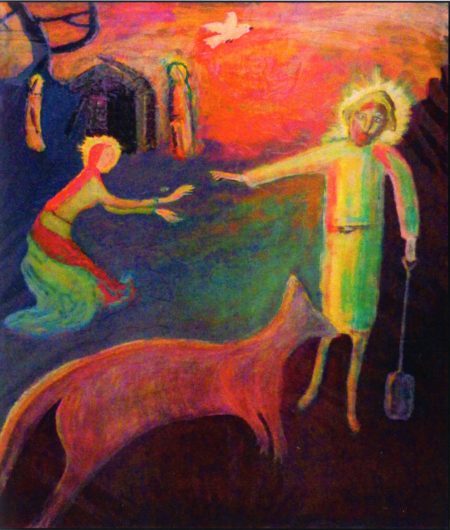
Being truly alive is a gift so extravagantly rich and wonderful that it can’t even be meaningfully contrasted with simply not being dead.

God’s self-giving is to all of humanity, all of the time, and we are called to lift our eyes beyond our immediate concerns and stand in solidarity with the faithful who have gone before us.
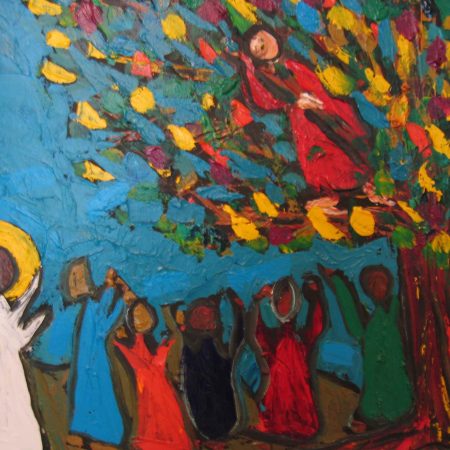
Before your past catches up with you, Jesus will try to blindside you with scandalous grace.

A healthy self-esteem is not one that thinks itself better than others, but one that, in solidarity with others, accepts the merciful gift of life and love that Jesus offers us.