
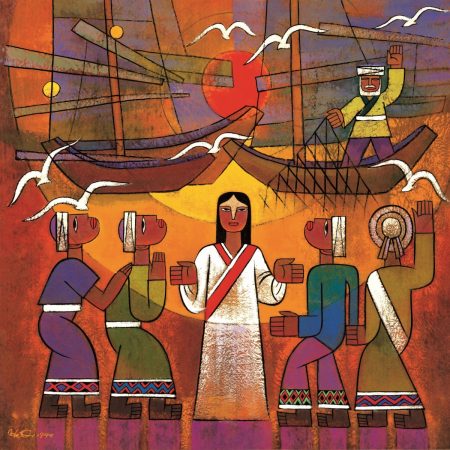
The culture of God is emerging in our present world, confronting us with a choice – do we cling to our allegiance to the cultures that have raised us or let go of them and embrace the culture of God.
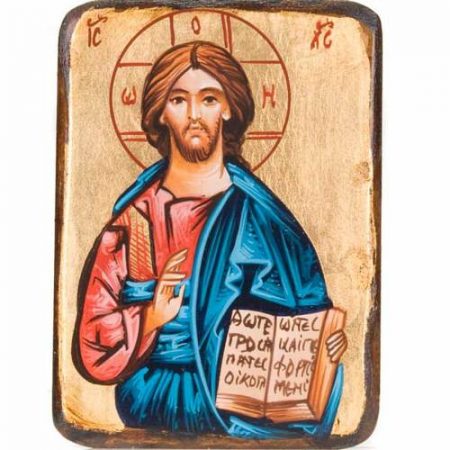
Our freedom in Christ renders the law irrelevant as a factor in our relationship with God, but we are set free to grow into union with Christ, not to fall into new slaveries.
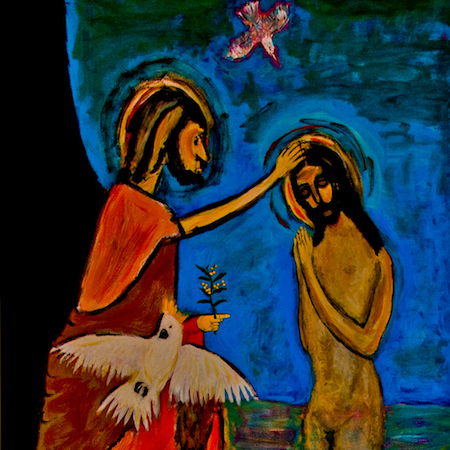
Our longing for God is met in the Holy Spirit who opens heaven to us and makes all things new.
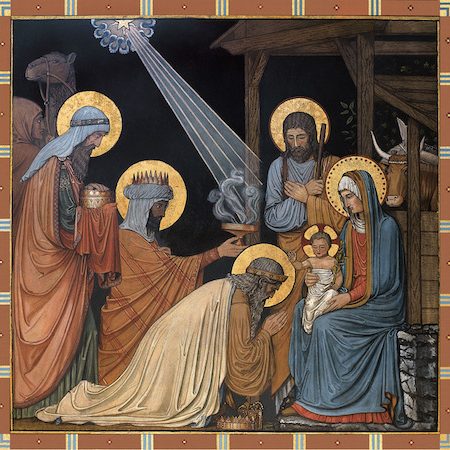
The light of Christ reaches the world through those who will bear the wounds of love.
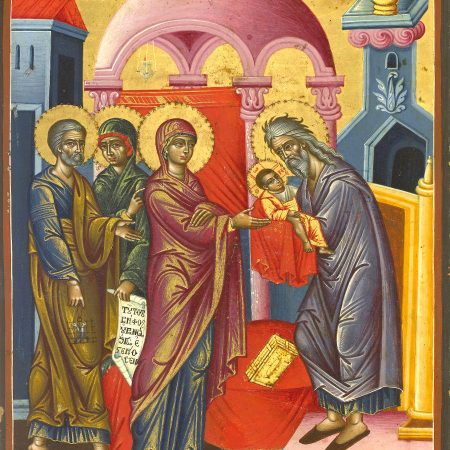
Jesus was born to reveal and fulfil what God had long sought to do; set people free to live joyously as God’s children.
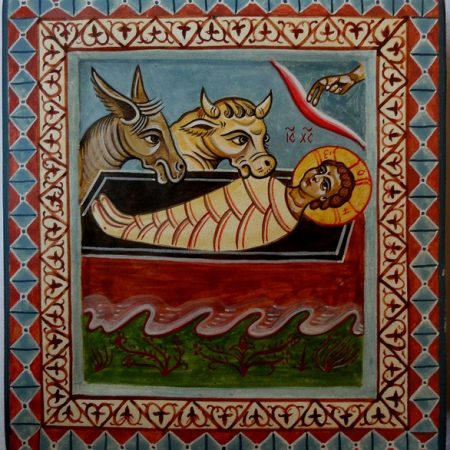
The nativity story proclaims the basic themes of the gospel message; God enters into our suffering world as a victim of our violence, and is rejected by most but recognised by the nobodies.
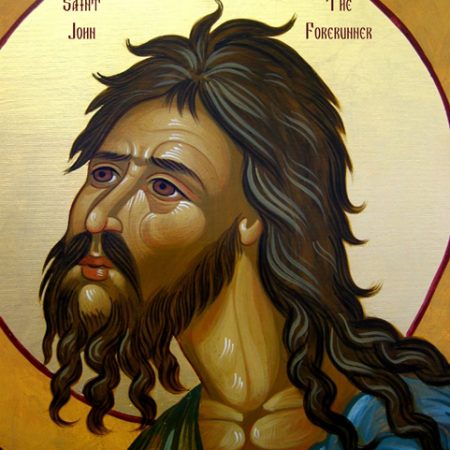
As God’s people, we celebrate life in the face of death, because we know that the victory of life has been secured.
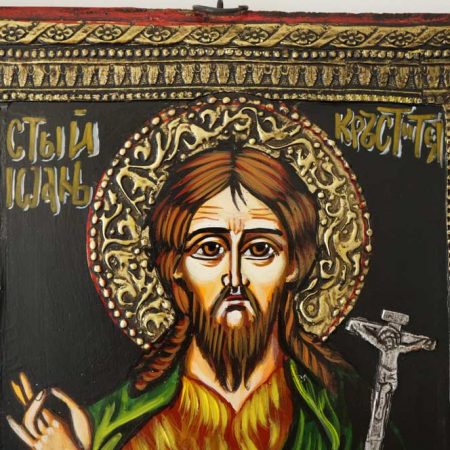
For both God and us, time can drag when waiting for change, but patience is salvation when forgiveness is offered as a means of change rather than as a reward for change.
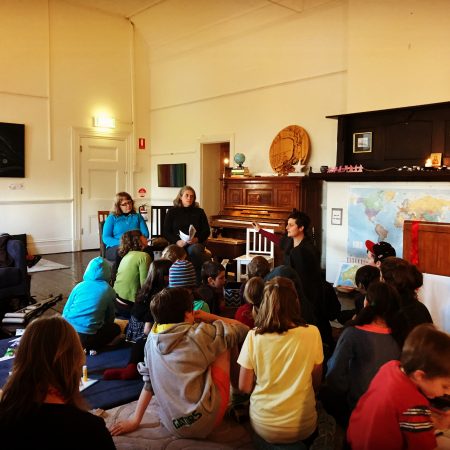
Stories of life, worship and ministry from the new church we have helped to plant in Warrnambool, where more than half of the congregation are children.
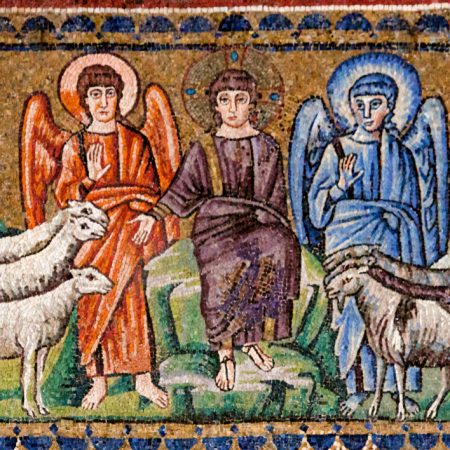
God has created a world that becomes healthy, free and full of life when its nations honour and care for the most vulnerable. Nations that fail to build cultures of compassion and care are doomed to destroy themselves.
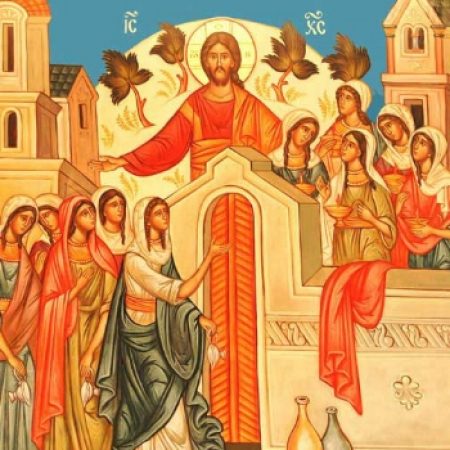
While we are called to be a sharing community and thus to have no need of worry for tomorrow, you can’t look to others to provide you with the fruits of a life lived in generosity and prayerfulness.
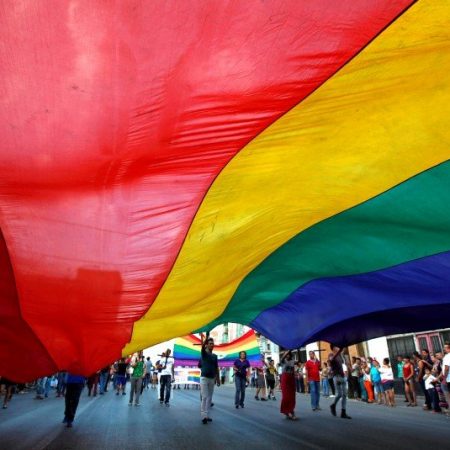
Jesus’s quest for reconciliation is far wider and more discomfortingly radical than our tendency to jump on the bandwagon of popular justice causes.

Today, as in Jesus’s day, two fundamentally different visions of God and God’s expectations compete. Jesus calls us to side with the one that centres on love rather than the one that centres on concerns for holiness.
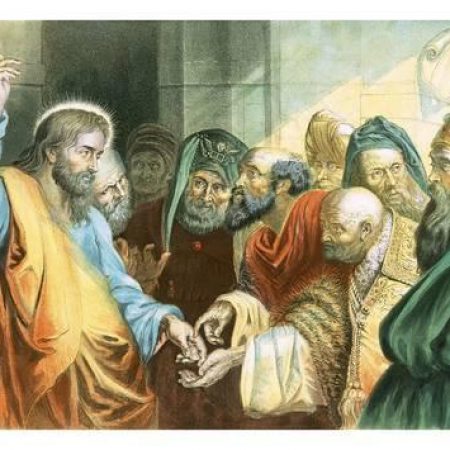
Modelling ourselves on those who model themselves on Jesus is a healthy pathway to fulfilling the image of God within us.
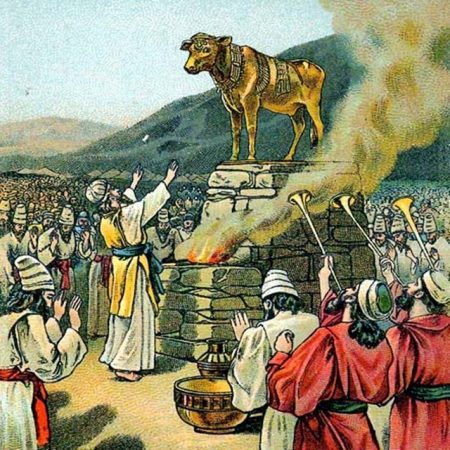
God invites us to live joyously, boldly and freely in the midst of mystery, but we are frequently tempted to grasp for something more tangible and certain.
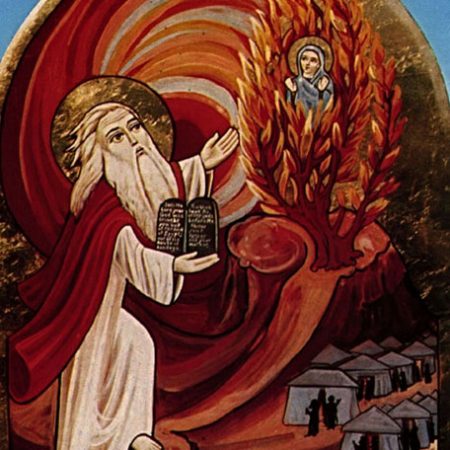
When we use the biblical law to reinforce a worldview of sin and punishment, we doom ourselves to live in a judgemental world, a world from which Jesus offers to break us free.
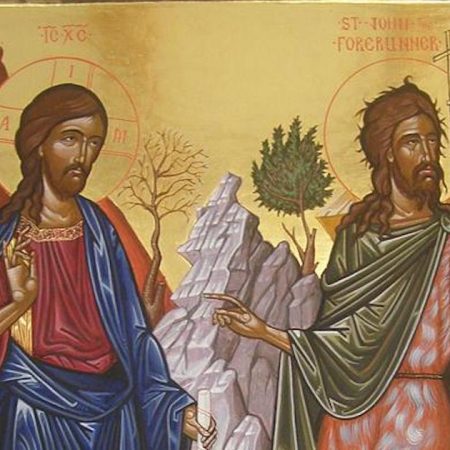
The marriage equality debate raises questions about authority, but prophetic authority is not proved by fidelity to past rules, but by its power to produce a harvest of new life and love among the people.
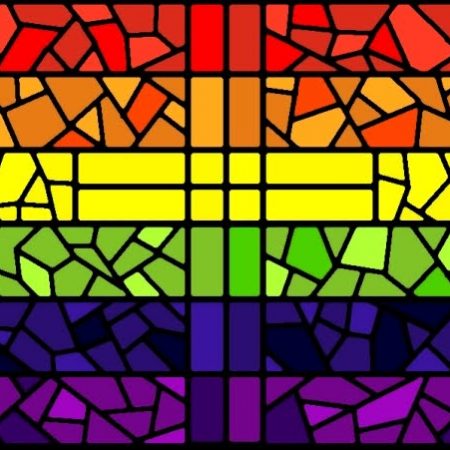
When Jesus exposes our aversion to having others recognised as our equals, he calls us to repent and celebrate God’s generosity to all. The marriage equality debate exposes another frontier of his challenge to us.

Jesus calls us to welcome and honour each other at his table regardless of the disagreements we may have over how to apply biblical teachings.
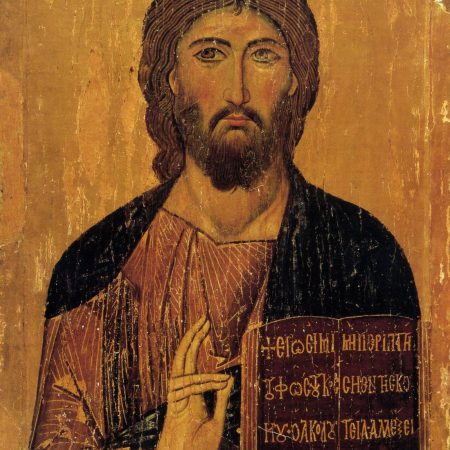
Law typically serves to contain the expression of human desire within safe bounds, but Jesus calls us to follow him in fulfilling the law through radical love and mercy that always seeks reconciliation.