
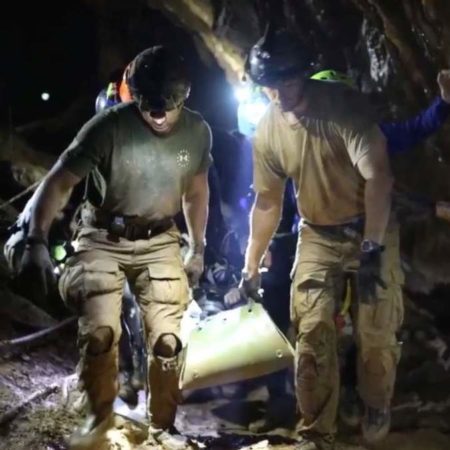
Glimpses of the transformed world that God makes possible transfix us and leave us hungering for more.
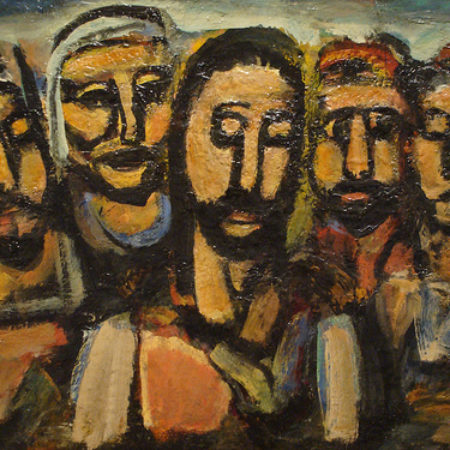
Pretending to be better than we are alienates us from God and one another. Being open and real about our weaknesses and failures open us to God and one another.
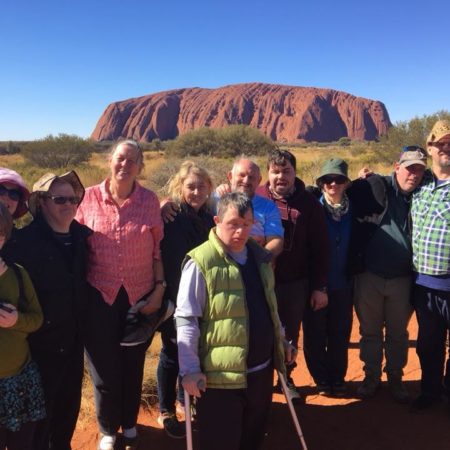
Reflections on the L’arche Melbourne Community’s pilgrimage to Uluru in celebration of their 40 years in Australia.

We are called to focus on Jesus – not the battles or the storms of life. Nothing is too big or too rough for God.
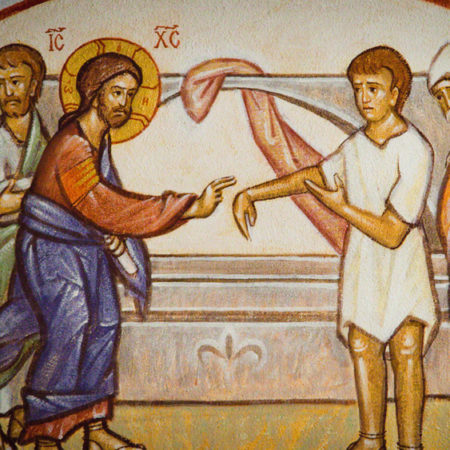
Jesus calls us to move beyond hostile identity politics, whether shaped by Sabbath keeping or #Outrage, and to welcome a new culture of love, forgiveness and welcome.
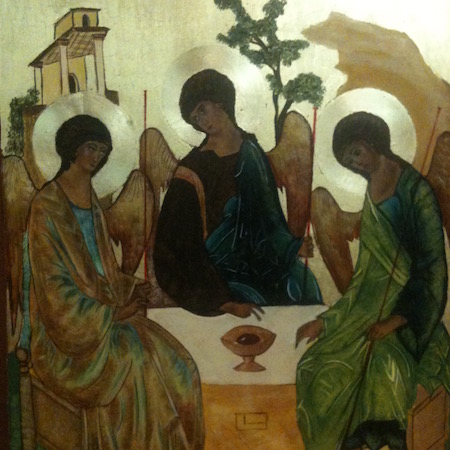
The doctrine of the Trinity helps us to see that, though exalted and transcendent, God is nevertheless close and personally involved with us.

The Holy Spirit fills the church with gifts, not only for its own sake, but so that it might be a gift to the world.
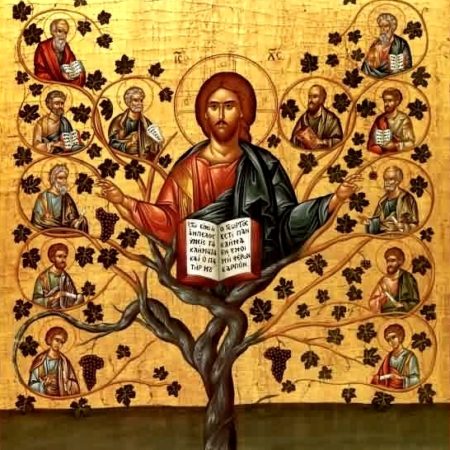
Jesus’s priestly identity and mission have been passed on to us and are to be seen in our prayer and our lives.
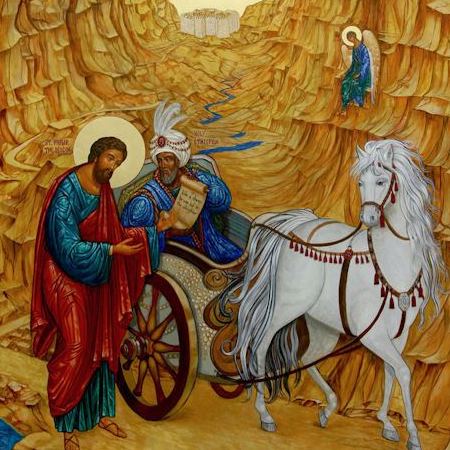
Rather than close the book on who can and cannot be accepted into the church, the Bible calls us to follow Jesus on a path of continually expanding inclusion.

Tonight we farewelled Peter from our congregation as he moves north, and he shared his reflections of what his time in this church has meant to him.
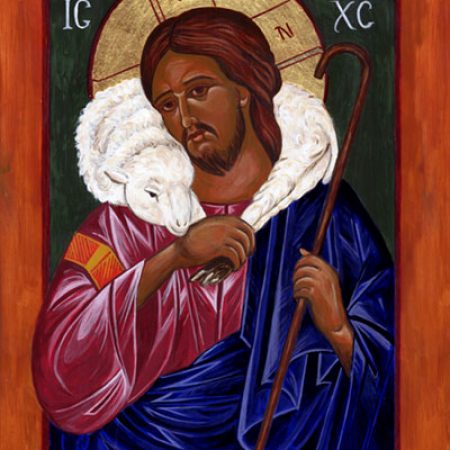
In his own demonstration of self-sacrificial love, Jesus has shown us what God is like and called us to love God and one another by loving likewise.
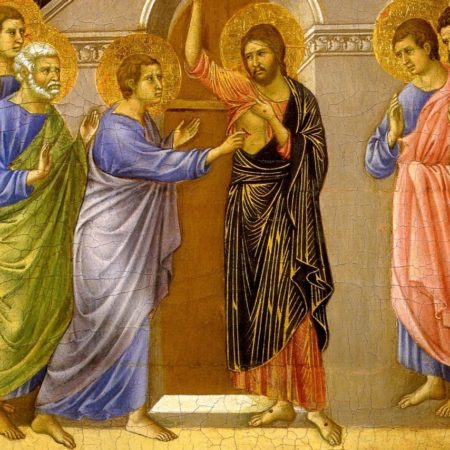
By lifting us out our enthralment to evil and death, Jesus sets us free from all that corrupts us and opens us to share real life with him.
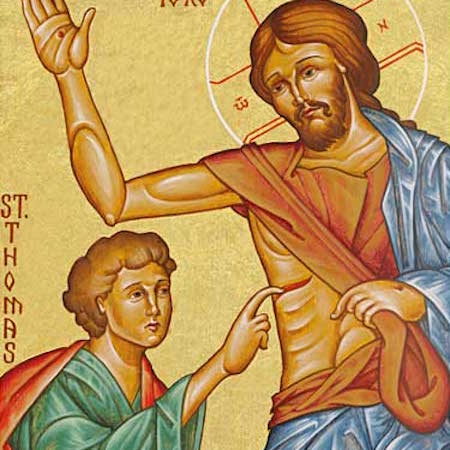
When we expected to be shamed as we have shamed others, we are shocked and saved by the unexpected mercy of the crucified and risen Jesus.
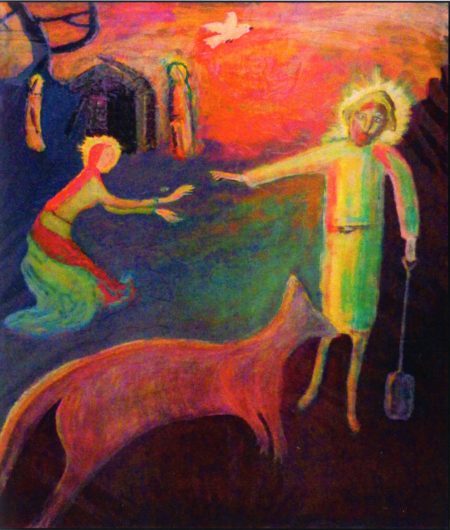
There is no neat finish to the Jesus story, because it is far from over. The risen Jesus is always ahead of us, calling us to follow and live the next chapter.

The life that Jesus calls us too will not be found and enjoyed until we give up trying to engineer the life we dreamed we were supposed to be living.

In the face of tragedy, we naturally cry out “Why?” Jesus meets us in the suffering and helps us find the path of life.

God has promised the whole world to all God’s children, but not exclusive rights to some bits of it to some people.
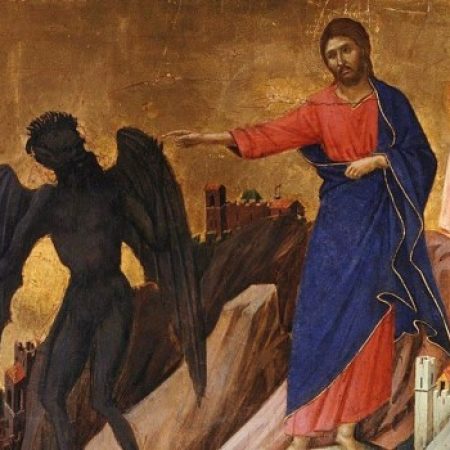
Jesus resisted the temptation to force his will on the world, and he pioneered a pathway for us to similarly refuse the exploitation of power.

When Jesus heals, he is not seeking to minister solely to the individual, but to heal a sick culture, and the culture we live in needs his healing.
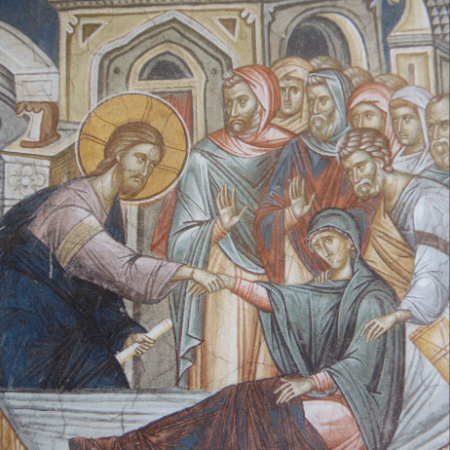
Jesus demonstrates the need to reflect on our results and reject the easy success and popularity that are built on meeting basic needs.