

Global chaos marked by war, terror and injustice is growing inevitably, and as followers of Jesus we stand in witness against it, knowing that God is with us to the end.

The biblical pictures of marriage reflect our struggle to live our way into the vulnerable intimacy and relational fruitfulness that God wants for us and with us.
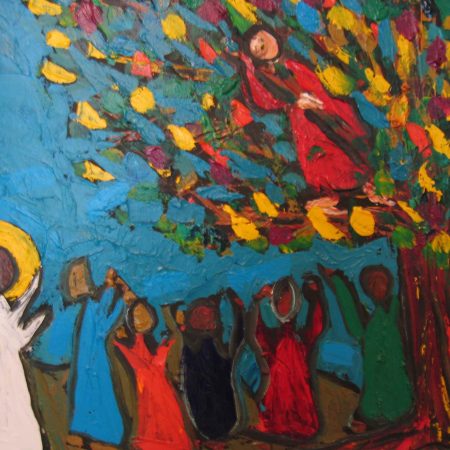
Christ’s gratuitous forgiveness and acceptance always manage to scandalise us, but it is our willingness to embrace them that saves us.
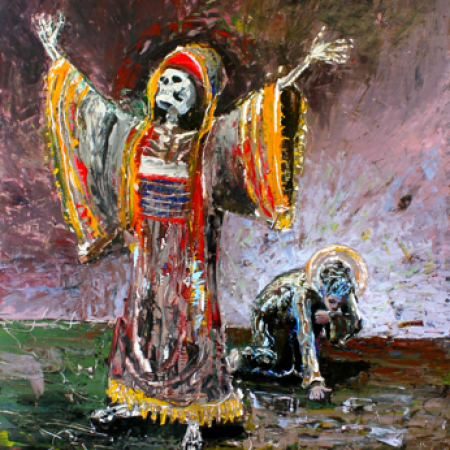
God delights to welcome everyone, and is not interested in who is better or worse, but we imagine God to be an elitist who mirrors our tendency to pick and choose and only accept the best.
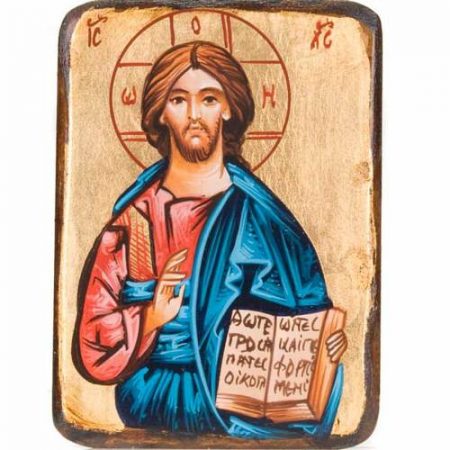
Reading scripture with God’s people keeps us honest as we seek to interpret and live by God’s law written on our hearts.
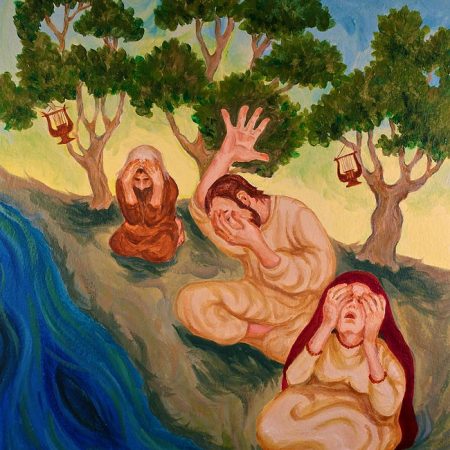
When God calls us to invest in the places we live, it is a call to active agents of positive change, not compliant patriots.
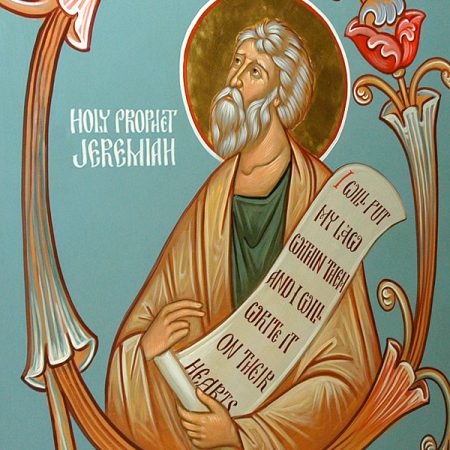
There are plenty of reasons to despair of the future, but Jeremiah and Jesus show us a pathway of hope that overcomes despair.

Facing an epidemic of depression and despair, Jesus calls us to follow on a tear-stained path of prophetic faithfulness.

The threat of extreme climate change can only be averted with a major spiritual transformation, and Jesus shows the way.
Faithfulness to God means sticking to the ways in which Jesus has led us, but we are constantly tempted to idolise his name while avoiding his ways.
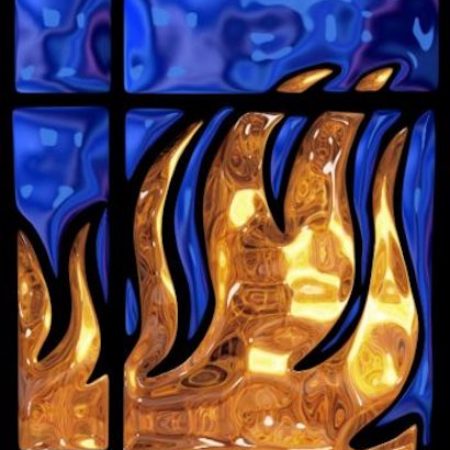
Lived faith is the way to life in God, but it passes through a baptism of fire.
Through Jesus’ life, death and resurrection we are reconciled to God, made free to be the person that God created us to be, and we live into it by embracing a positive culture of love, mercy and consideration.
God may not always give us what we want in answer to our prayers, but will always be with us through the Spirit to help us face whatever it is that life puts before us.
A sermon on Luke 10: 38-42 by Sylvia Sandeman Some of you may be wondering how I got to preach on this story of Martha and Mary. I have to say from the start it is not a story that I would choose to preach on. It is a story that I have always struggled with – knowing that I am sure…
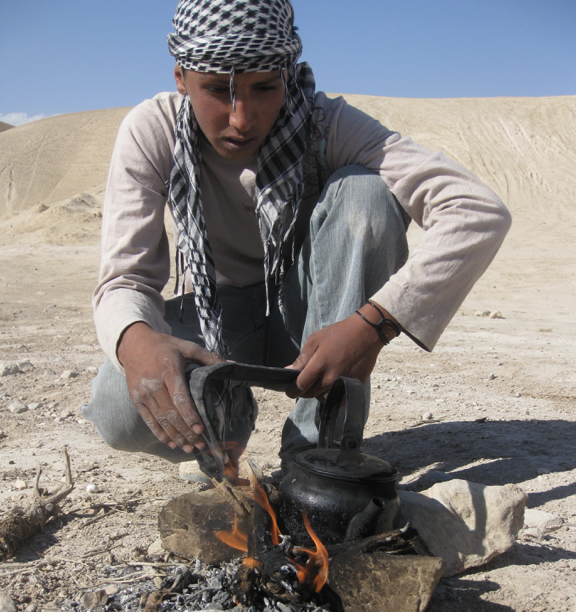
I want to look today at the story Jesus told in today’s gospel reading. It’s a story set on the road between Jerusalem and Jericho, and apart from the usual interpretations we bring to it, it is for me a story about chance encounters and being open to what happens. I’d like to start by…
The lectionary reading I’ve decided to focus on today is the reading from 2 Kings 5:1-14. I’ll be honest I chose this passage because of its unfamiliarity. Because of its strangeness. In undergrad I studied anthropology, the study of cultures, be it subcultures within our own culture or cultures more foreign. There’s a saying in anthropology that describes much of what the…
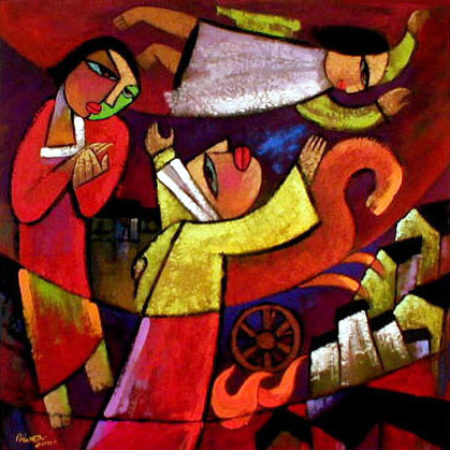
The instinct to call down fire on those we perceive as God’s enemies is a “fruit of the flesh” that must be supplanted by the fruits of love.
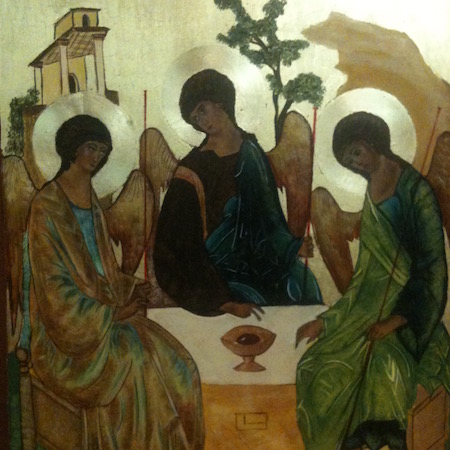
The God revealed to us in Jesus and experienced through the Holy Spirit is so dynamic and multi-facetted that we may find it hard to believe that we are always dealing with the one God.

The new humanity formed in the death and resurrection of Jesus speaks a language of love and compassion that transcends linguistic and cultural differences and celebrates unity in diversity.
Whenever we are invested in the status quo, we are at risk of being caught up in seeing the liberation that Jesus brings as a threat to be opposed.