

Jesus calls us to prayerfully persevere for what is right and what is good, to never give up on our quest for the promise of life, and to always hold on to hope for the fulfilment of God’s will and purpose for our lives.

Until our eyes are opened to discern the dog-domination and pig-powers that oppress us from within our culture, we will continue to be trampled underfoot by them

Where affluence creates consumers, abundance creates neighbours. It is the ethic of possessions which Jesus commends to us as a promise of how God deals with us.
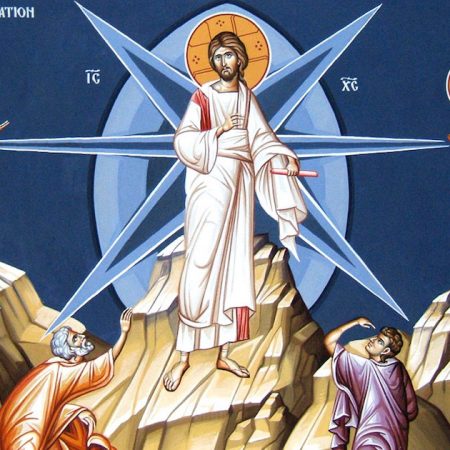
The stories of Moses, Elijah and Jesus on various mountain tops reveals a process of God’s self-revelation as the one who loves us and suffers for us.

The things we have we are to hold with open hands, looking with a generous eye for the oppotunities to share our resources in ways that make a difference.

In the midst of our world, with its trials, sins, hunger, and longing for the rule of love, the prayer of Jesus leads us back to our loving God and Father.

God knows our tribulation and will keep us in the right way if we will trust to do right without fuss and without favour.

Jesus calls us to face hostility, not as doormats, but by boldly and creatively standing in our freedom and extending unexpected love and generosity.
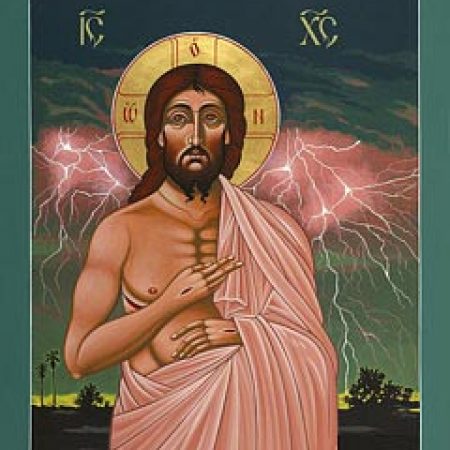
The abusive use of anger to manipulate other people’s behaviour is, Jesus says, on the same spectrum as physical violence, and Jesus calls this preacher to repent of it.

Jesus reinvigorates the Covenant so that his Word of liberation and life is integrated into our lives, & we can live the Covenant in a new way in the world.

In the culture of Jesus, the very conditions that create discomfort, struggle, suffering and even scorn, paradoxically are transformed into the essential ingredients to inherit and inhabit the kingdom of God.

The doctrine of the Trinity is not a mathematical puzzle, but an invitation to an experience of relationships, sharing in the life and mission of God.

The Holy Spirit breaks out of the boxes that our limited languages construct, surprising us with new messages of hope and freedom and life.

El Espíritu de Jesús nos une a través de límites previamente hostiles y nos enseña un lenguaje de amor liberador.
(The Spirit of Jesus unites us across previously hostile boundaries and teaches us a language of liberating love.)

Jesus leads us through the confusion of transition times, into a new space with hugely expanded horizons and lives made meaningful in a global way.
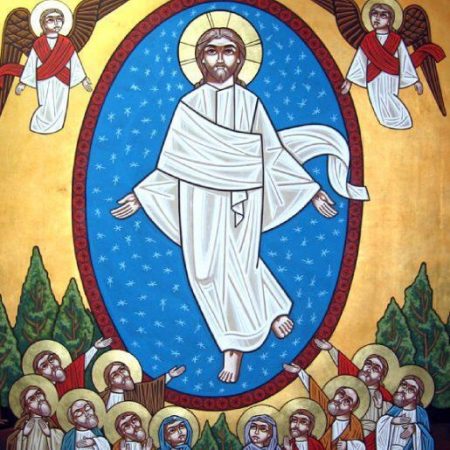
The Ascension is not a story about the absence of Christ, but of Christ’s extraordinary presence with us everywhere and always.

In the worldwide lockdown, we stand on an uncomfortable threshold and wonder where God is. God responds to our need, sending the Holy Spirit to stand with us.
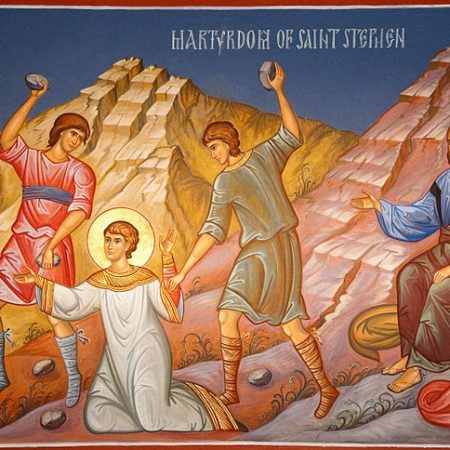
True martyrdom involves suffering even unto death. But, no less important, the martyr sees what other people may not be seeing, and opens their eyes to it.
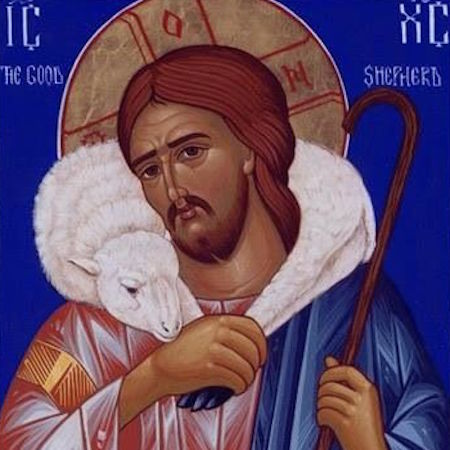
Whatever the future may hold, in rough places AND in smooth, in dark valleys and on sunlit hillsides, the Lord is our shepherd, and will lead us finally to green pastures and still waters.
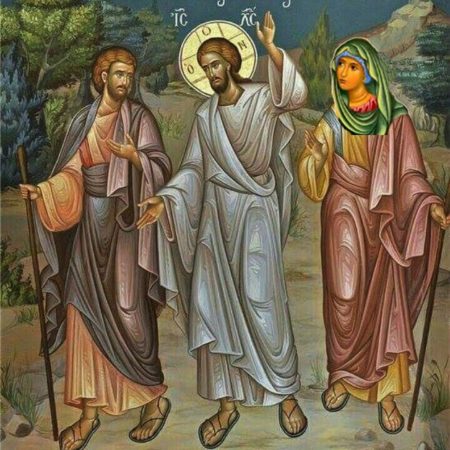
Like the Emmaus travellers, Jesus calls us to pay attention to what is happening in these strange times, to what makes our hearts burn within us, and so to be changed ready to live differently.